
Hormuz Tensions and AI Demand: The Energy Market’s Wave Patterns
724FinanceDefne Aydın
Key Highlights
Hormuz Boğazı'ndaki gerilimlerin artmasıyla petrol fiyatları bir ayda bir kez seviyesine çıktı, ancak geçişin gerçek tedarik üzerindeki etkisi henüz b
Escalating tensions in the Strait of Hormuz pushed oil to a one‑month high, yet traders quickly questioned whether the disruption would meaningfully curb global supply.
Hormuz Tensions’ Impact on Oil Prices: A Brief Spike, Swift Retreat
Oil climbed to a one‑month high after U.S.–Iran hostilities intensified around the Strait; Brent’s forward curve shifted to reflect mounting supply risk. Despite continued fighting, traders concluded that physical supply had not yet been significantly disrupted, prompting a pullback.Natural Gas and LNG: The AI‑Driven Bridge to Strength
Capital Flows Into Long‑Life Assets: Masdar’s $5.1 Billion Solar‑and‑Battery Endeavor
North America’s Energy Leadership: Refining, Trade and Strategic Divestments
North America is reinforcing its energy leadership through robust refining margins and active trading, positioning itself as a hub for long‑term infrastructure investment.Markets are exhibiting heightened sensitivity as they oscillate between geopolitical headlines and actual supply developments. AI‑driven electricity demand is bolstering natural gas’s strategic niche, while capital is gravitating toward long‑life assets that enhance supply security and diversify generation. This shift, coupled with the reconfiguration of LNG flows in Asia‑Pacific, suggests the global energy system is moving toward a more resilient, structured future rather than merely reacting to short‑term commodity swings.
Related News & Analysis
View All →
Amazon Alexa Gains Scam‑Detection AI: A New Era for Shopping Security
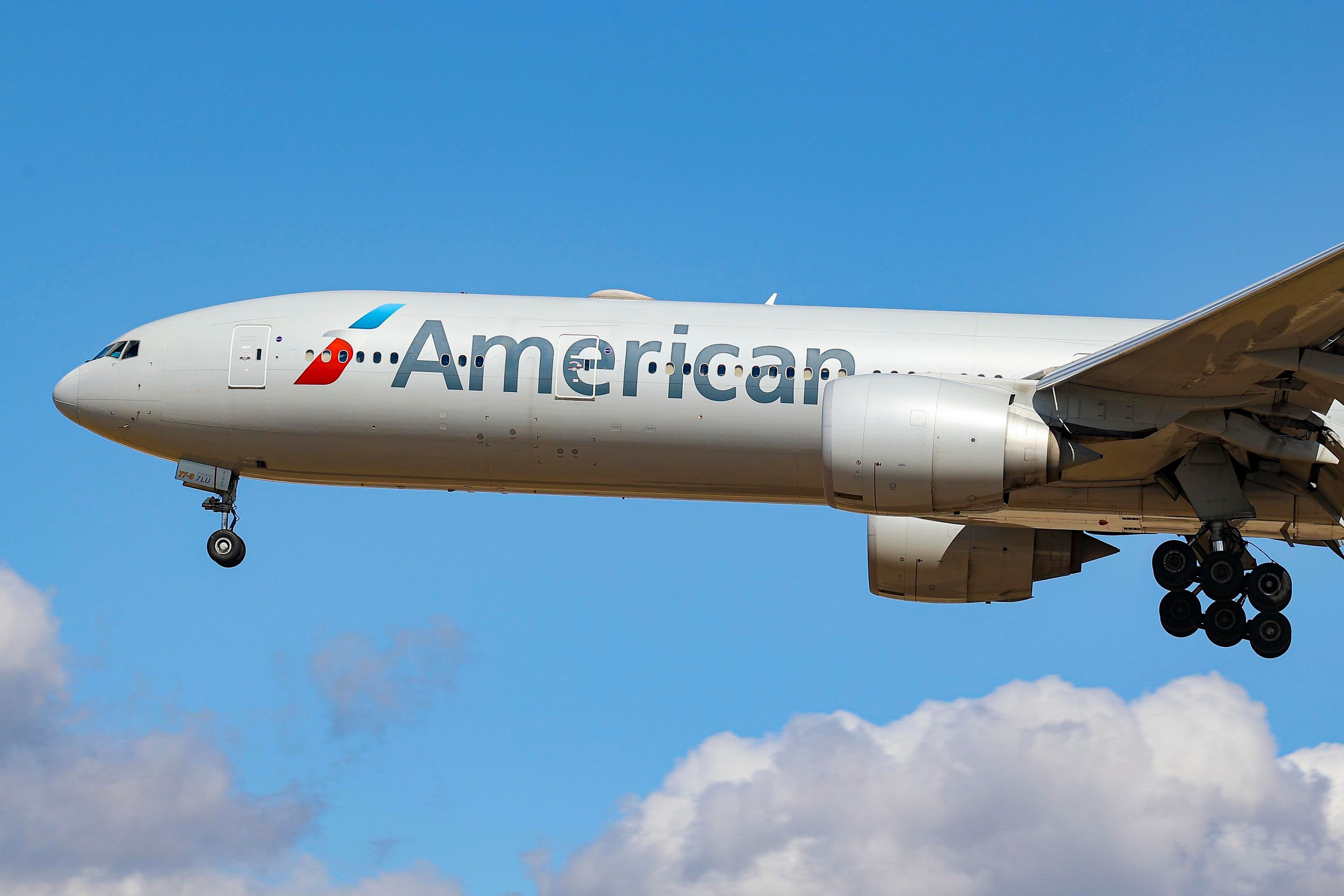
American Airlines 777’yi Yeniden Tasarladı: 70 Lüks Süit, Yüksek Hızlı İnternet ile Havayolu Rekabeti Yeniden Şekillendiriyor

After-Hours Surge: Dell, MongoDB, and GitLab Spark Record Swings

Adobe Acquires Indian Market Intelligence Startup Rilo, Expanding Global Data Reach

Kroenke Amasses 2.7 Million-Acre Land Portfolio, Becoming the World’s Largest Private Landowner

Uber Slashes 10% Workforce: Management Layers and Remote Work Policy Overhauled
Latest Market News
All News →![[GUBRF] GÜBRE FABRİKALARI T.A.Ş.
Kar Payı Dağıtım İşlemlerine İlişkin Bildirim - Kar Payı Dağıtımına İlişkin Yönetim Kurulu Teklifi](/_next/image?url=%2Fuploads%2Fkap-default.png&w=3840&q=75)
[GUBRF] GÜBRE FABRİKALARI T.A.Ş. Kar Payı Dağıtım İşlemlerine İlişkin Bildirim - Kar Payı Dağıtımına İlişkin Yönetim Kurulu Teklifi
[BLS, BLSMD] BULLS YATIRIM MENKUL DEĞERLER A.Ş. Pay Alım Teklifi Yoluyla Pay Toplanmasına İlişkin Bildirim / TGSAS - Pay Alım Teklifi Yoluyla Pay Toplanmasına İlişkin Bildirim
[FIN, QNBTR] QNB BANK A.Ş. İhraç Belgesi - QNB Bank A.Ş. İhraç Belgesi
[FIN, QNBTR] QNB BANK A.Ş. İhraç Tavanına İlişkin Bildirim - İhraç Tavanına İlişkin Bildirim (SPK Tarafından Onaylanan)
[GUBRF] GÜBRE FABRİKALARI T.A.Ş. Genel Kurul İşlemlerine İlişkin Bildirim - Olağanüstü Genel Kurul Toplantısı Daveti