
Neo-Luddism in the AI Era: The Existential Dread of the White-Collar Class
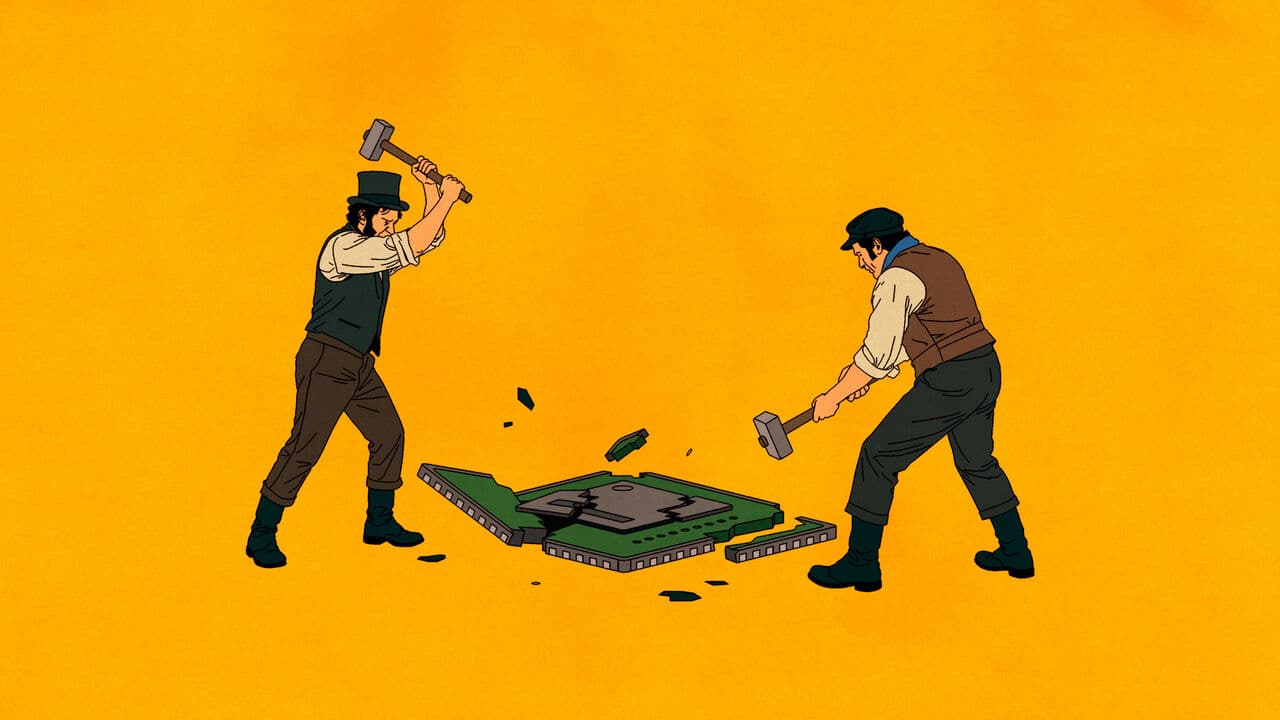
The sounds of smashing looms that echoed through the textile mills of Northern England in the 19th century are now being heard again, though this time through lines of code and algorithms. The 'Luddite' movement, once a dusty historical footnote, has evolved from a mere slur for technophobes into a macro-economic concern regarding the disruptive impact of artificial intelligence on white-collar employment.
From Mechanical Looms to Large Language Models
Led by the mythical King Ludd, weavers who believed machines were stealing human livelihoods mounted a physical resistance against the Industrial Revolution. Today, this resistance has shifted from physical sabotage to intellectual anxiety. AI models, much like the mechanical looms of the past, are now threatening job sectors once defined by creativity and prestige.
The Digital Erosion of Cognitive Labor
The speed of technology adoption is ultimately decided by the state's regulatory reflexes. AI is positioning itself not just as a productivity tool for white-collar workers, but as a substitute that reduces costs and minimizes the human factor. This is leading to a rapid redefinition of the market value of labor.
Markets typically categorize short-term employment shocks from technological leaps as 'creative destruction.' However, the distinction with AI is that it substitutes cognitive capacity, not just physical strength. While this promises long-term productivity gains, the transition period carries a significant risk of structural unemployment and widening income inequality. In asset allocation strategies, we must now move beyond simply 'investing in tech' and start pricing in the regulatory risks stemming from the resulting societal resistance.