Economy

EU Pauses Two Montenegro Accession Chapters: Integration and Market Dynamics

724FinanceDr. Aslıhan Demir
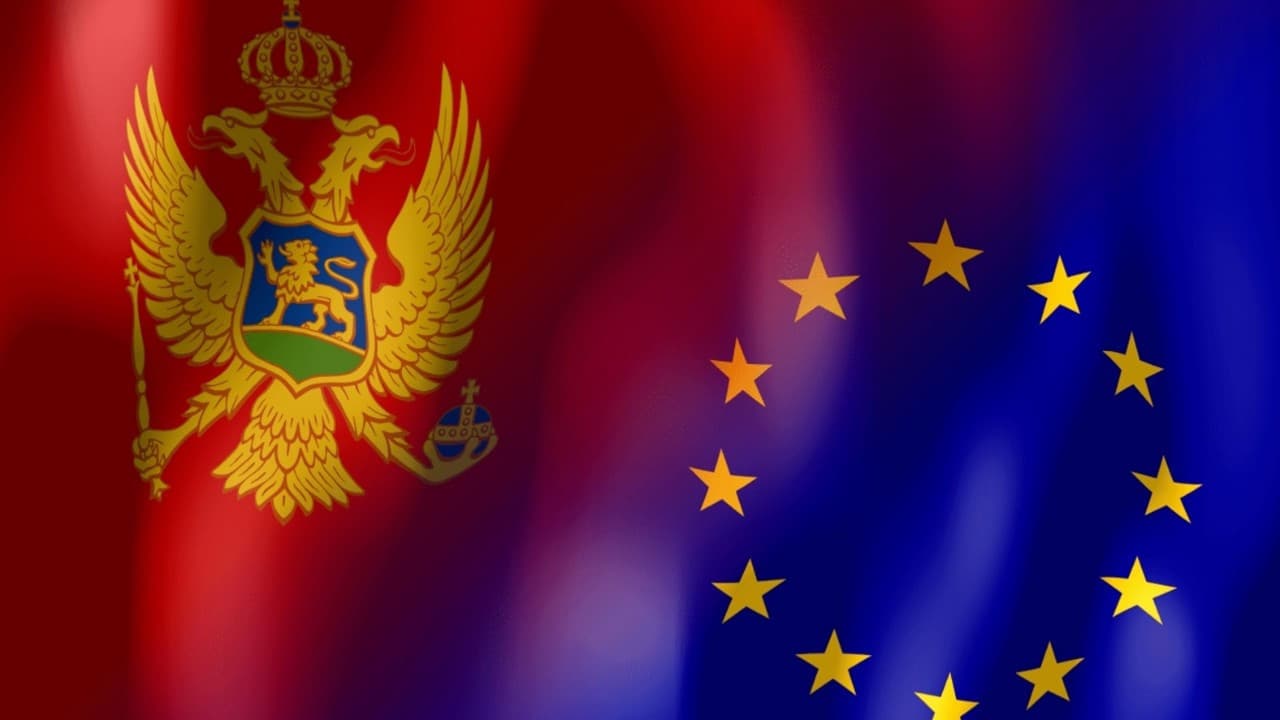
EU Pauses Two Montenegro Accession Chapters: Integration and Market Dynamics

The European Union announced that it has temporarily suspended the competition policy and customs union chapters in its accession negotiations with Montenegro.

Strategic Rationale Behind the Pause

The move aligns with rising geopolitical tensions in the Balkans and a slowdown in internal reform momentum during 2024. Montenegro’s recent anti‑corruption and judicial independence reforms have not fully met EU criteria, prompting the delay.

Immediate Market and Trade Implications

  • Montenegro‑EU trade volume grew 3.5% last year, reaching €1.2 billion; the pause could temper this growth rate.
  • Regional supply‑chain integration risk premium may rise by 10 basis points, especially in automotive and textile sectors.
  • EU funding earmarked for Montenegro, amounting to €500 million, will remain constrained until a new negotiation schedule is approved.
  • Signal for the EU Enlargement Strategy

    The suspension signals a reassessment of the EU’s expansion pace in Eastern Europe and the Balkans. Candidate countries such as Turkey, Serbia, and North Macedonia face heightened pressure to accelerate reforms, taking cues from Montenegro’s experience.

    Investor Risk‑Reward Considerations

  • Risk: Delayed EU funds could increase infrastructure project financing costs by 0.25%.
  • Opportunity: If the paused chapters reopen, an additional €200 million of investment inflows is anticipated, potentially sparking a short‑term rally in regional equities.
  • Strategy: Multinationals operating in the Balkans should mitigate exposure through bilateral trade agreements and local partnerships.
  • Market participants should view the EU’s action on Montenegro not merely as a negotiation hiccup but as a broader integration signal. In the long run, a swift reform pace and the resumption of EU‑fund flows could inject significant capital and revive foreign‑investment interest in the Balkans. During this interim, risk‑premium upticks and FX volatility warrant close monitoring, while sectoral opportunities—particularly in infrastructure and energy—should be actively pursued.
    Dr. Aslıhan Demir

    Financial Analyst: Dr. Aslıhan Demir

    Makroekonomi ve Para Politikaları Akademisyeni. FED (Federal Reserve) ve TCMB tutanaklarını satır satır okuyan, faiz kararlarının güvercin (dovish) veya şahin (hawkish) tonlarını analiz eden baş ekonomist.

    Disclaimer: The investment information, comments, and recommendations contained herein are not within the scope of investment advisory. Investment advisory services are provided individually by authorized institutions, taking into account the risk and return preferences of individuals. The comments and recommendations contained herein are general in nature. These recommendations may not be suitable for your financial situation and your risk and return preferences. Therefore, making an investment decision based solely on the information contained herein may not produce results that meet your expectations.

    © 2026 724Finance - All Rights Reserved.Original Source: Ekonomim.com