
Can the Hormuz Strait Stay Open? EU and GCC Urge Iran to Avoid Maritime Escalation
724FinanceHakan Çelik
Key Highlights
Avrupa Birliği (AB) ve Körfez İşbirliği Konseyi (KİK), İran'a Hürmüz Boğazı'nı uluslararası deniz trafiğine açık tutma çağrısında bulundu. Bu karar, b
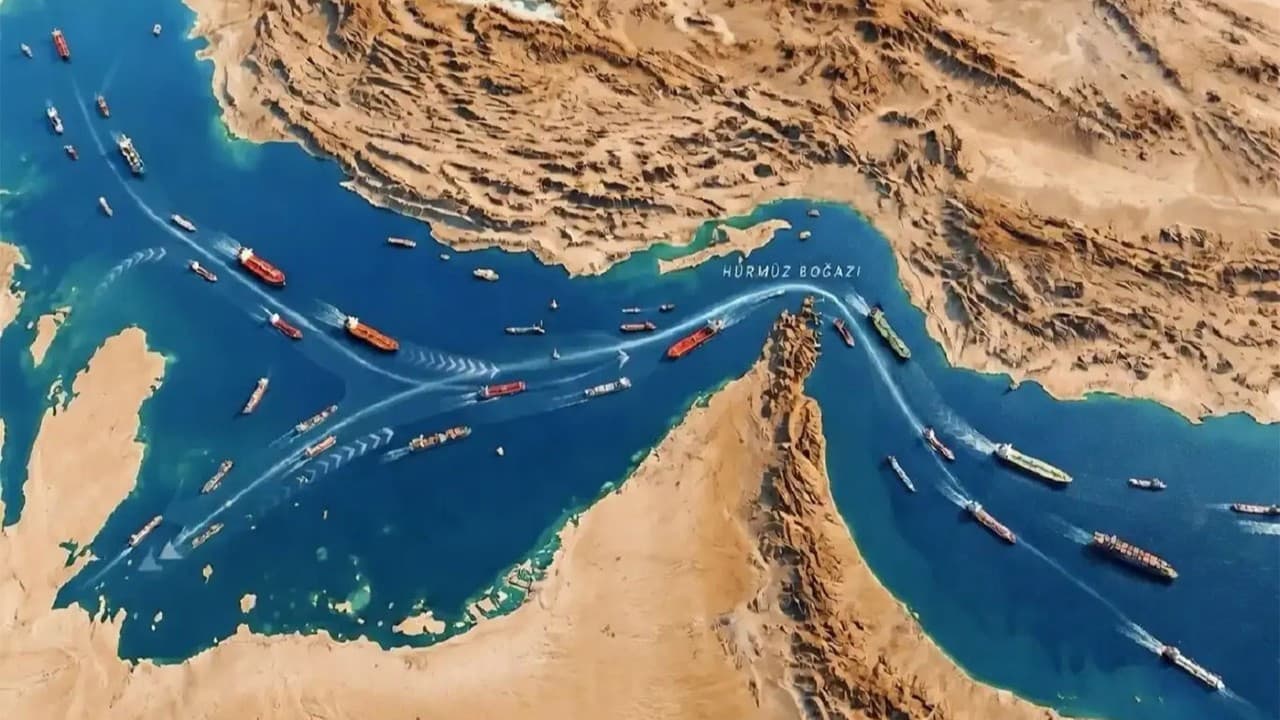
The European Union (EU) and the Gulf Cooperation Council (GCC) have called on Iran to maintain the Hormuz Strait as a free passage for international maritime traffic, urging an end to interventions that could disrupt global energy flows. This move escalates geopolitical tensions while raising concerns over energy security and shipping risks.
Hormuz Strait: A Global Energy Flashpoint
Geopolitical Risks and Energy Markets
Market reactions to such diplomatic appeals often trigger risk premiums, especially in energy equities and sovereign bond portfolios. The Federal Reserve’s monetary stance will likely incorporate these geopolitical variables into its forward guidance. However, the trajectory of Hormuz-related developments remains uncertain in shaping macroeconomic forecasts. Dr. Aslıhan Demir, Academic in Macroeconomics and Monetary Policy
Related News & Analysis
View All →
Cimin Grape Harvest Kicks Off: GI-Labeled Fruit Opens Doors to Global Markets
Turkey's Gold Strategy: Seizing the 10,000‑Ton Opportunity
Turkey‑Saudi Arabia Seal 5 GW Renewable Power Deal: A New Dynamic in Regional Energy Balance
Halkbank’s SPK Filing Ignites Turkey’s Next Capital Wave
Hyundai's 2030 Vision: 5.55 Million Cars to Rewrite Global Competition
Bursa Chamber of Commerce Elections Set for Oct. 1: New Leadership and KOBI OSB Vision
Latest Market News
All News →
Prediction Markets vs. U.S. Government: The Legal Battle Over Kalshi and Polymarket
Cimin Grape Harvest Kicks Off: GI-Labeled Fruit Opens Doors to Global Markets
Starkware's Quantum-Safe Bitcoin Transaction Marks a New Era in Crypto Security
![[BALAT] BALATACILAR BALATACILIK SANAYİ VE TİCARET A.Ş.
Payların Geri Alınmasına İlişkin Bildirim - 27.08.2026 Tarihli Pay Geri Alımı Hakkında](/_next/image?url=%2Fuploads%2Fkap-default.png&w=3840&q=75)
[BALAT] BALATACILAR BALATACILIK SANAYİ VE TİCARET A.Ş. Payların Geri Alınmasına İlişkin Bildirim - 27.08.2026 Tarihli Pay Geri Alımı Hakkında

Le Pen’s Business‑Winning Blueprint and €10 Billion Spending Cut