
Washington Tightens Grip on International Talent: New 4-Year Cap on Student Visas
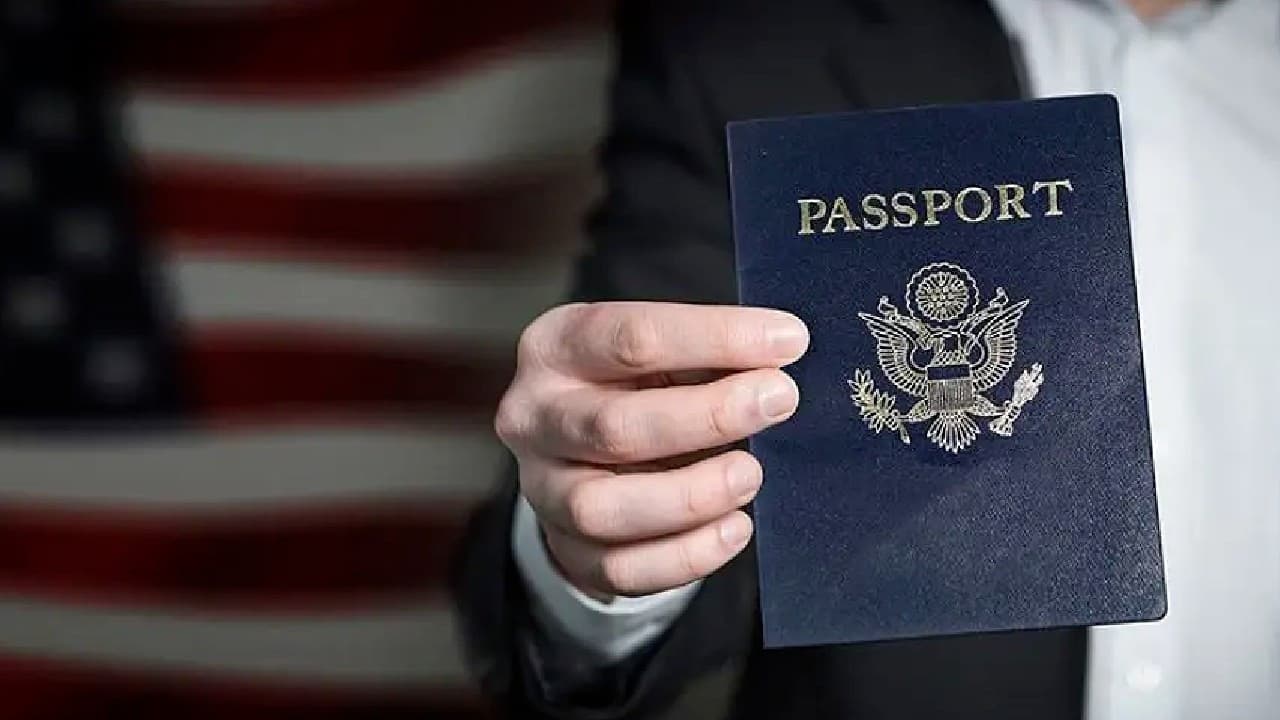
The U.S. Department of Homeland Security has implemented a radical regulatory shift regarding the duration of stay for F, J, and I visa holders, aiming to close loopholes in the immigration system and tighten oversight. Under the new rule, the stay of foreign nationals entering the U.S. for education and exchange programs is transitioning from an open-ended process to a strictly limited structure.
The End of Indefinite Residency
While the previous system allowed individuals to remain without routine government oversight under certain conditions, these flexibilities have been completely abolished. The primary criterion for visa holders is now strictly tied to the duration of their registered academic program.
Security-Driven Oversight and Systematic Monitoring
The core motivation behind this regulation is to prevent the education system from being exploited as a backdoor for immigration. U.S. Secretary of Homeland Security Markwayne Mullin emphasized that thousands of individuals had avoided departure by continuously enrolling in courses.
The key objectives of the new mechanism include:
Implementation Timeline and Transition
The regulation, to be officially published in the coming days, will take full effect within 60 days of its publication date. This creates a critical transition window for students currently in the country whose visas are nearing expiration.
This regulation is more than just a shift in immigration policy; it is a recalibration of the U.S. strategy for accessing high-skilled labor (STEM) pools. For sectors like Fintech and AI, which thrive on the brain drain of global talent, this restriction could increase human capital costs and potentially slow the pace of innovation in the long run. I anticipate that the talent wars in the banking and technology sectors will become more aggressive as a result of such regulations.