
U.S.-Iran Tensions: Energy Markets Surge as Gold Prices Dip Amid Inflation Fears
ABD ve İran arasındaki jeopolitik gerilim, küresel enerji piyasalarını kasıp kavururken, enflasyonist baskılarin artması ve faiz artırımı beklentileri
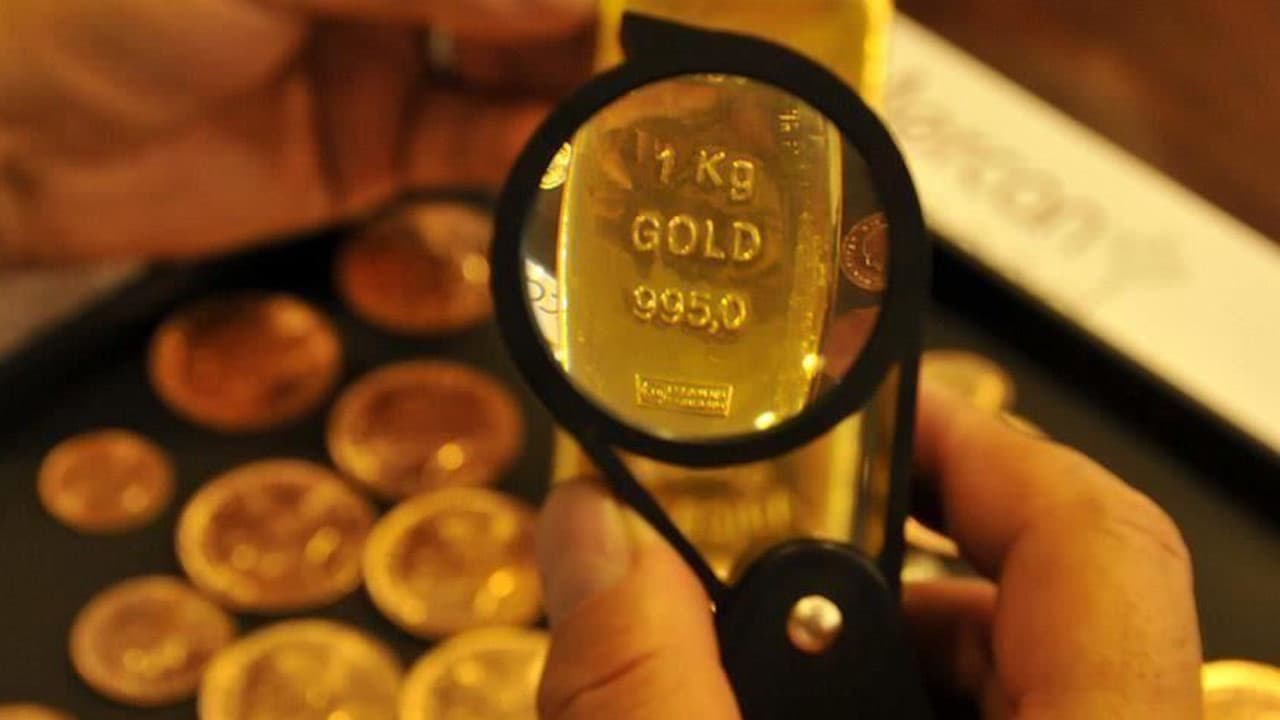
Geopolitical tensions between the U.S. and Iran have shaken global energy markets while driving inflationary pressures and strengthening expectations for interest rate hikes, leading to a decline in gold prices. Energy commodities such as oil and natural gas saw sharp increases due to rising geopolitical risks, pushing inflation to a critical level. Investors, fearing inflation, shifted toward fixed-income assets as central banks recalibrate monetary policies. While gold traditionally serves as a hedge against energy price volatility, this time, rate hike expectations overshadowed its safe-haven appeal, causing a 3.1% drop to $1,920 per ounce. Digital gold and cryptocurrencies partially filled the gap left by traditional gold, reshaping investment portfolios. The banking sector faces challenges as rising energy costs and interest rates strain net interest margins (NIM), particularly for institutions with lower capital adequacy ratios (SYR). Digital payment systems' reliability has become vital in crisis periods, highlighting the urgency for banks to enhance their digital infrastructure.
Energy Markets' Fiery Surge
Rate Hike Expectations and Gold Price Volatility
Rüzgar Ersoy: Markets are observing that geopolitical risks have only short-term impacts, but energy price-driven inflationary pressures could leave lasting effects on banking sector net interest margins (NIM). Particularly, banks with lower capital adequacy ratios (SYR) may face challenges managing credit costs amid rising rates. Additionally, the reliability of digital payment systems proves critical in crisis periods; investor liquidity needs underscore the urgency for banks to invest in digital infrastructure.
Related News & Analysis
View All →
August 27, 2026 FX Rates: Dollar and Euro's Latest Levels Against the Turkish Lira
US Beef Import Quota Expansion Aims to Ease Price Pressure
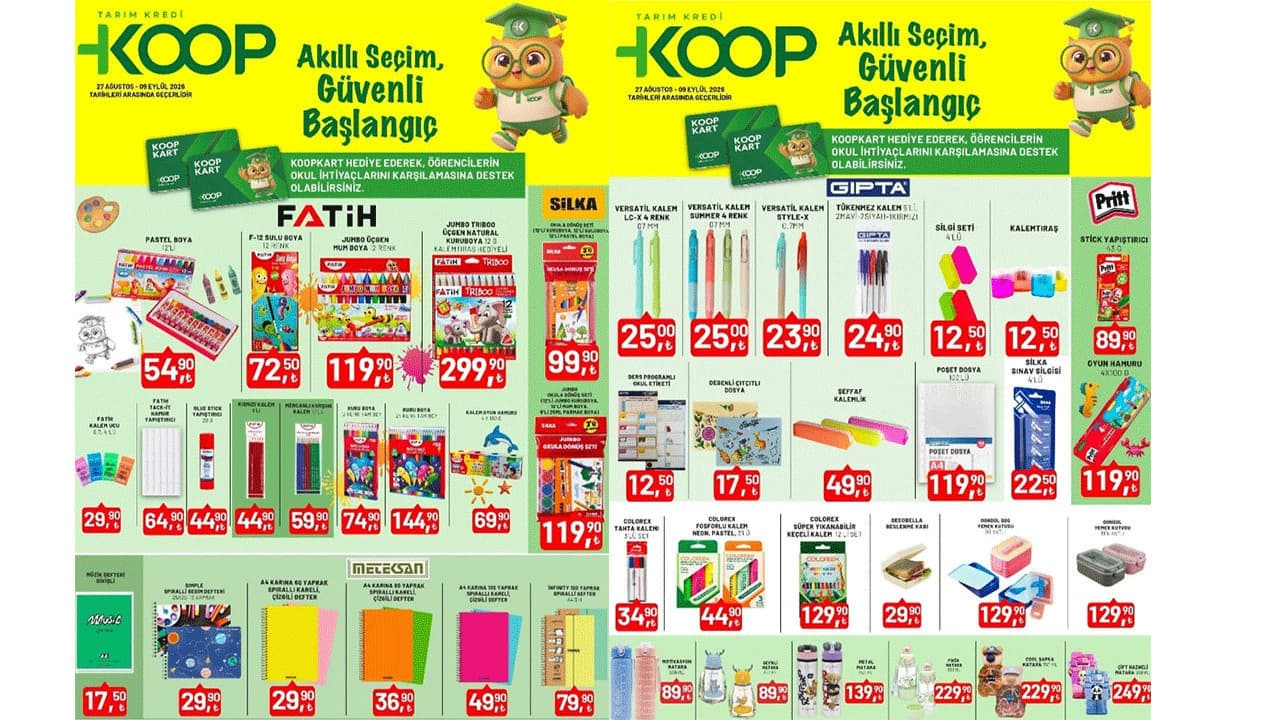
Tarım Kredi Market Launches Major Back‑to‑School Discount Campaign
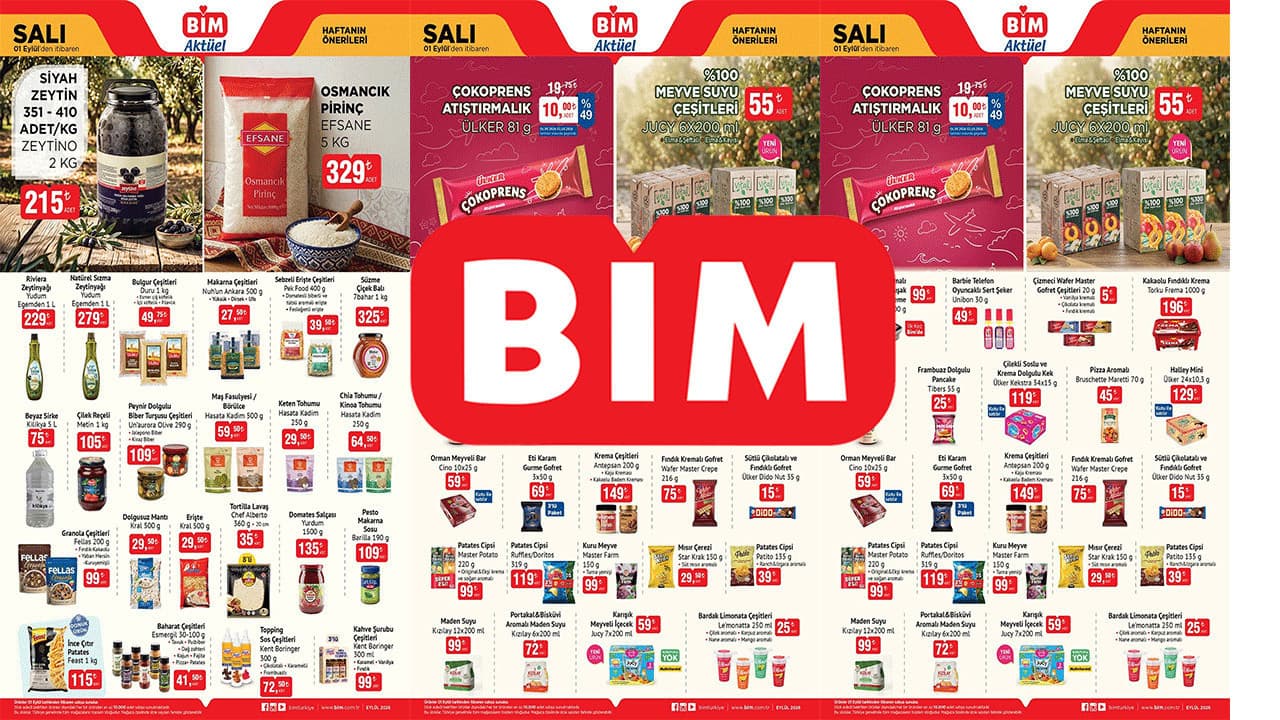
BİM Slashes Food and Detergent Prices: A Fresh Turn in Turkey’s Inflation Landscape

Apple Unveils Foldable iPhone: A Tech Revolution with Market Implications

İZTO Announces Özgener’s Re‑Nomination as Chairman
Latest Market News
All News →![[AKM, AKMEN] AK YATIRIM MENKUL DEĞERLER A.Ş.
Pay Dışında Sermaye Piyasası Aracı İşlemlerine İlişkin Bildirim (Faiz İçeren) - Nitelikli Yatırımcıya Borçlanma Aracı İhrac](/_next/image?url=%2Fuploads%2Fkap-default.png&w=3840&q=75)
[AKM, AKMEN] AK YATIRIM MENKUL DEĞERLER A.Ş. Pay Dışında Sermaye Piyasası Aracı İşlemlerine İlişkin Bildirim (Faiz İçeren) - Nitelikli Yatırımcıya Borçlanma Aracı İhrac

ForInvest Opening Survey Results: Smart Money's New Direction
[YKFIN] YAPI KREDİ FİNANSAL KİRALAMA A.O. Pay Dışında Sermaye Piyasası Aracı İşlemlerine İlişkin Bildirim (Faiz İçeren) - TRSYKFK22810 ISIN Kodlu Tahvilin Kupon Ödemesi
[SSAAT] SAAT VE SAAT SANAYİ VE TİCARET A.Ş. Esas Sözleşme - Esas Sözleşme Hakkında
Stock Market Opens Higher: A New Arena for Investors