
US‑Iran Tension Sends Shockwaves Through Industrial Metals
ABD ile İran arasındaki gerilim, küresel sanayi metallerinin fiyatlarını aniden aşağı yönlü bir baskı altına soktu. ## Çatışmanın Enerji Maliyetlerin
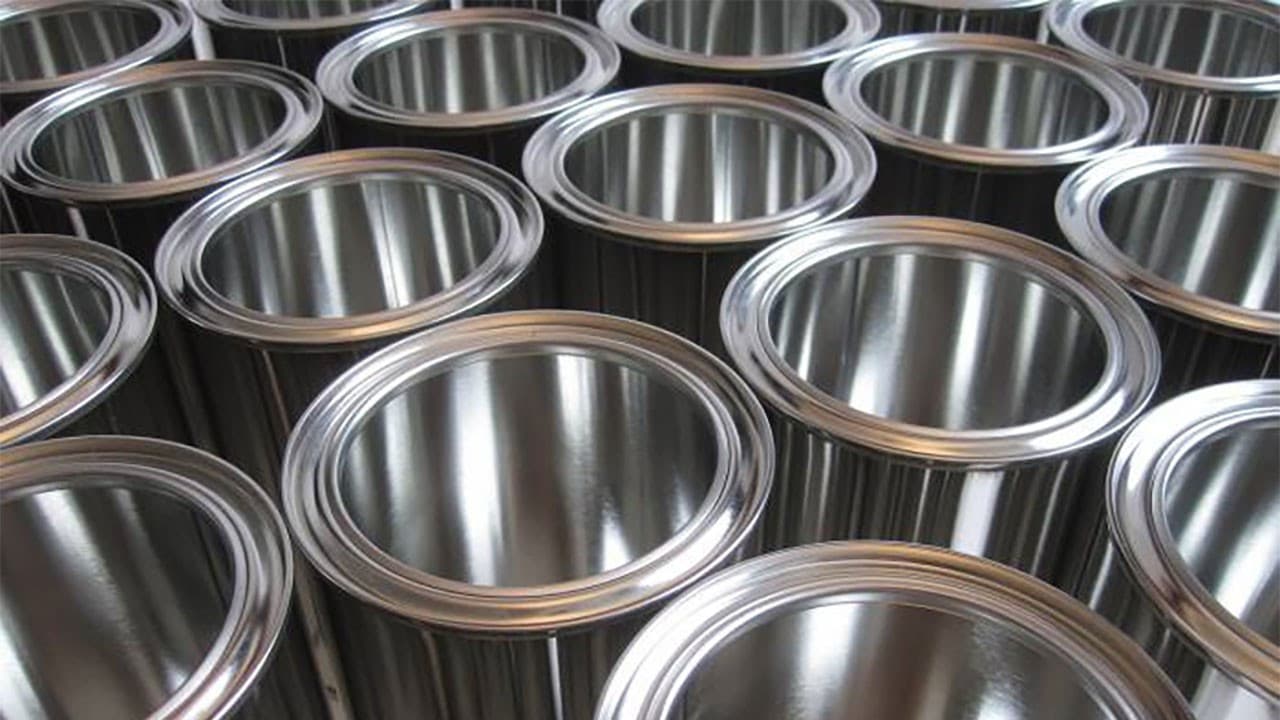
The escalating US‑Iran tension has thrust global industrial metal prices into a sharp downward pressure.
Energy Cost Spike from the Conflict
Instability in the Middle East has driven oil prices up by 4‑5%, raising energy costs. This surge lifts production expenses for energy‑intensive metals like copper and aluminum, resulting in a 2‑3% price decline.
Shipping Bottleneck at the Strait of Hormuz and Market Impact
According to Bloomberg, Iran’s threat to keep the Strait of Hormuz closed "until a second announcement" has stalled vessel traffic almost to a standstill. Cargo flow through the strait is estimated to have dropped 30%, signaling potential supply tightness in the global metal chain.
Market Players Await Key Data Releases
Investors are closely watching this week’s U.S. Inflation Report and Unemployment Rate for clues on the Federal Reserve’s policy path. Analysts warn that if inflation rises to 3.7%, the Fed may consider a 0.25% rate hike.
Tactical and Strategic Recommendations
To mitigate short‑term volatility, consider reducing exposure to metal futures and increasing risk premia for energy‑intensive sectors. From a longer‑term perspective, a reduction in geopolitical tension could pave the way for metal price recovery.
In light of these developments, markets should closely monitor the inflationary impact of rising energy costs and logistical uncertainties. Adjusting metal positions to manage short‑term risk while staying prepared for a higher‑interest‑rate environment is essential. – Zeynep Kaya, Individual Credit & Consumer Finance Strategist
Related News & Analysis
View All →
Middle East Diplomacy Trims European Natural Gas Prices by 5%
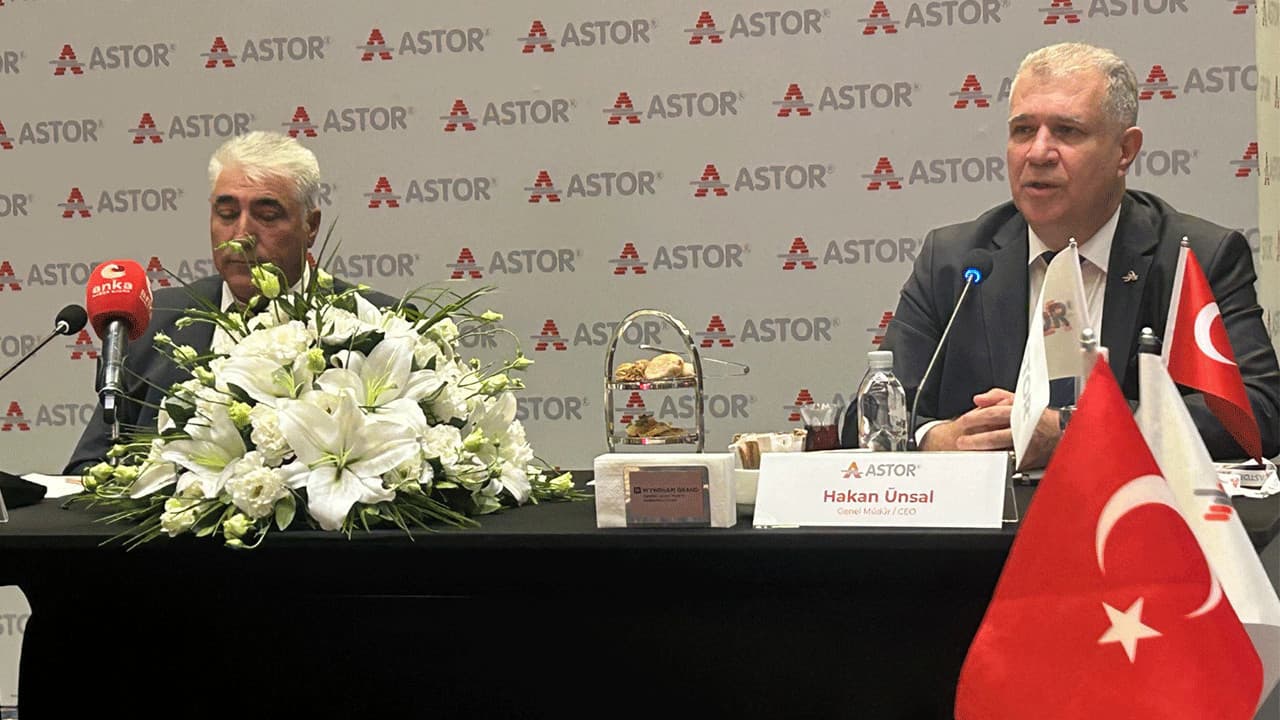
Astor Energy’s $3 Billion Revenue Goal and U.S.–Spain Investment Push
August 27, 2026 FX Rates: Dollar and Euro's Latest Levels Against the Turkish Lira
US Beef Import Quota Expansion Aims to Ease Price Pressure
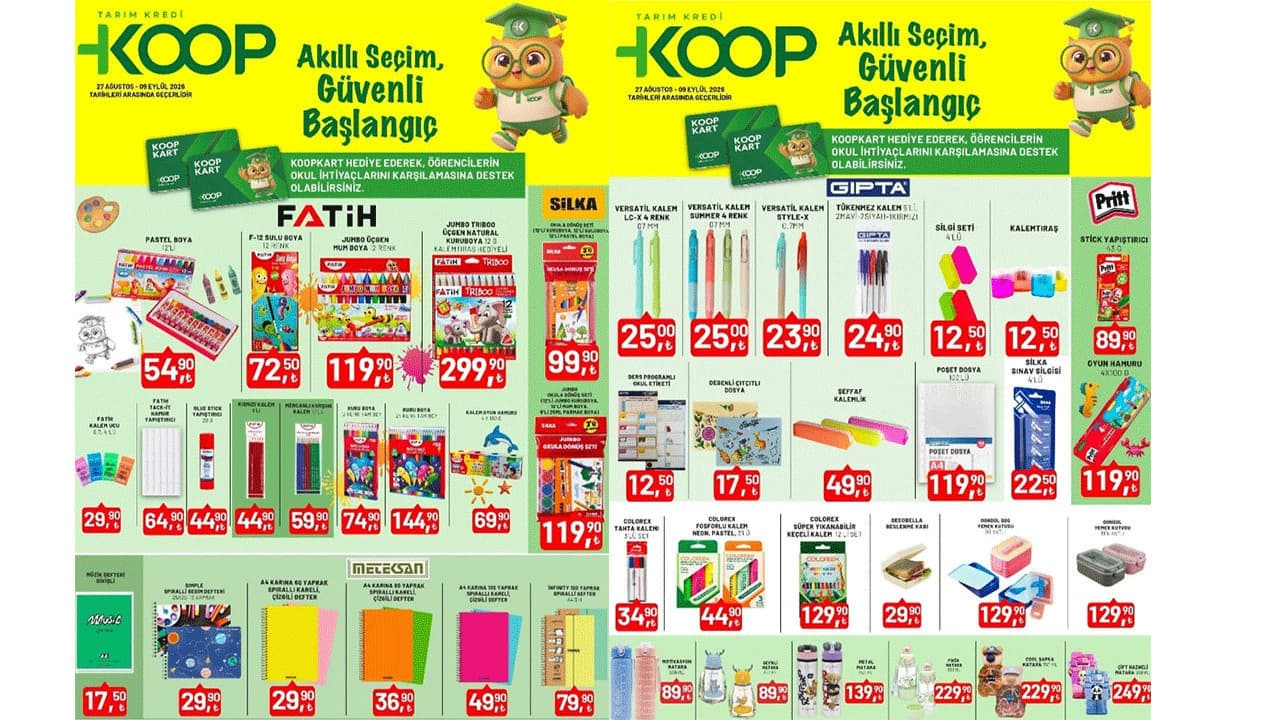
Tarım Kredi Market Launches Major Back‑to‑School Discount Campaign
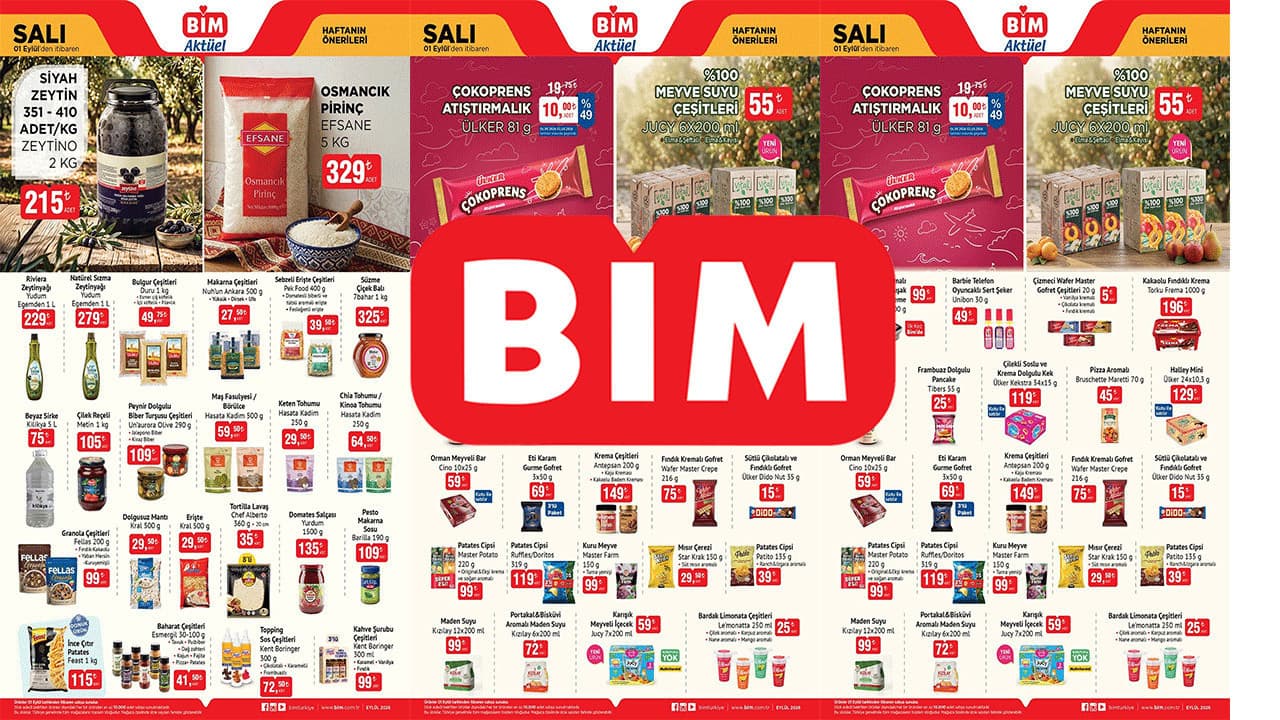
BİM Slashes Food and Detergent Prices: A Fresh Turn in Turkey’s Inflation Landscape
Latest Market News
All News →
Ex-Meta Scientists Aim to Bridge the Gap Between AI and Physical Reality via Perceptron

Top 5 Brokerage Firms Dominating Istanbul Stock Exchange: Tracing Smart Money

Turkey's High-Interest Debt: Risk Premiums and Exit Strategies
Bitcoin Could Top $300,000 by 2029: Analysts' Bold Forecast
![[JCRAV] JCR AVRASYA DERECELENDİRME A.Ş.
Kredi Derecelendirmesi
/ DOFRB - KREDİ DERECELENDİRME BİLDİRİMİ](/_next/image?url=%2Fuploads%2Fkap-default.png&w=3840&q=75)
[JCRAV] JCR AVRASYA DERECELENDİRME A.Ş. Kredi Derecelendirmesi / DOFRB - KREDİ DERECELENDİRME BİLDİRİMİ