US-Iran Power Struggle: How Global Markets Are Reacting
ABD'nin İran'a yönelik yedinci gecelik saldırıları, jeopolitik gerilimleri derinleştirirken küresel finansal piyasalarda volatiliteye yol açıyor. Ener

The US's seventh consecutive night of strikes on Iran is deepening geopolitical tensions while triggering volatility in global financial markets. Energy commodities, liquidity sources, and investor risk sentiment are directly impacted by these developments. Drawing lessons from past conflict scenarios, analysts anticipate sharp fluctuations in energy prices and a marked tightening in currency supplies. Particularly, oil and natural gas prices could surge by 5-10%, complicating budget planning for energy-importing nations. Additionally, central banks like the Federal Reserve may resort to emergency measures amid potential threats to financial stability. Such developments could disrupt external trade balances for bloc countries like the EU. Surging trading volumes might strain liquidity, driving up funding costs in commercial credit markets. Energy-dependent industrial stocks may outperform in investor portfolios, though long-term geopolitical risks could undermine fiscal discipline frameworks. Lower-income countries may face constraints on external borrowing capacity due to rising energy import costs.
Related News & Analysis
View All →
Anthropic's Nvidia-Backed Lambda Deal: The Shadow of a $35 Billion Investment on Banking

Coca-Cola Beverages Leadership Change: Future of Dividend and Buyback Strategies

China's Manufacturing Sector: 5-Year Growth Spree and Market Implications

US Defense Secretary Driscoll Resigns Amid Hegseth Controversy: Market Implications
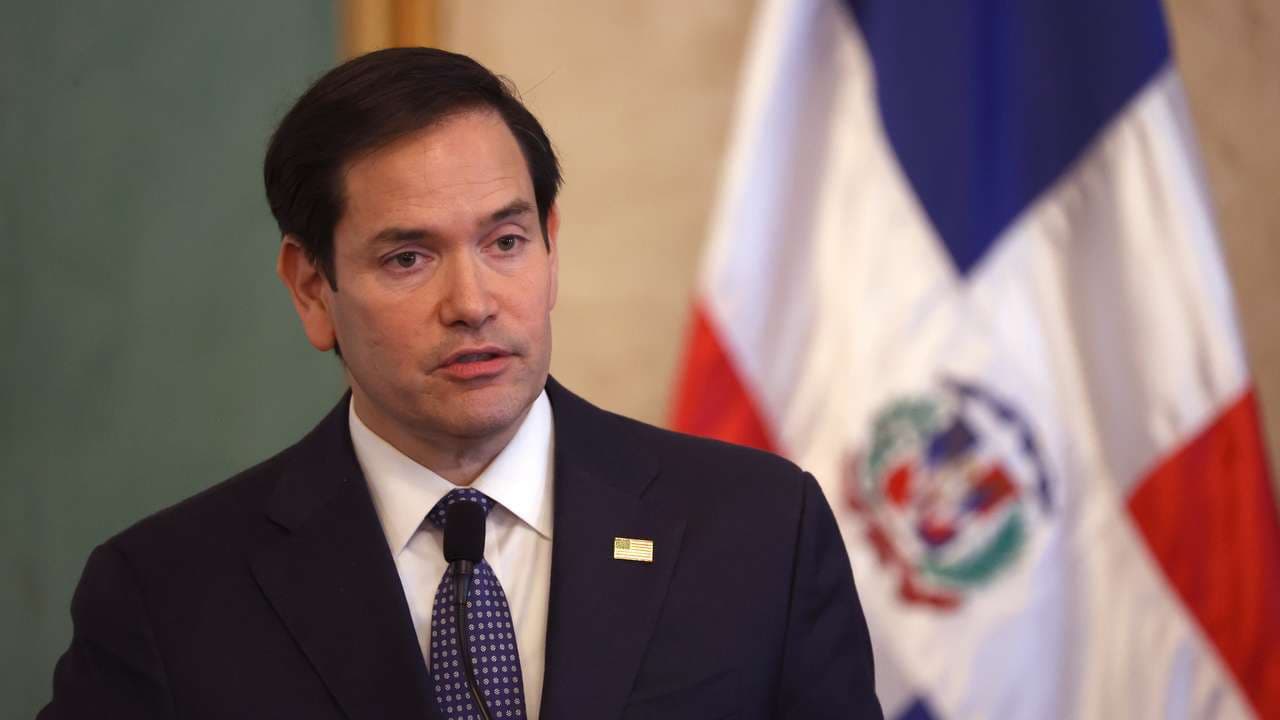
Trump Administration Plans $25 Million Fund for Right-Leaning Groups in Europe

Japan's 2027 Budget Requests Surpass Records, Shaking Market Expectations
Latest Market News
All News →Anthropic's Nvidia-Backed Lambda Deal: The Shadow of a $35 Billion Investment on Banking

Polymarket Raises $1 Billion: Trump Jr.’s 1789 Capital Invests $300 Million

Polymarket's $1 Billion Raise: 1789 Capital and Trump Jr.'s $21 Billion Valuation

Turkey's GDP Grows 2.3%: Strong Quarter for Manufacturing and Production

U.S. Debt Crisis Strengthens Bitcoin's Bull Case: Call Options at $80K-$100K Cross $10 Billion in Notional OI