
US-Iran Tensions: Are Markets Bracing for Storm?
ABD Merkez Komutanlığı (CENTCOM), İran’a yönelik son saldırı dalgasının tamamlandığını duyurarak, 'ABD kuvvetleri; karadan ve denizden havalanan savaş

The US Central Command (CENTCOM) announced the completion of the latest strike wave targeting Iran, stating, 'US forces hit approximately 140 Iranian military targets using precision-guided munitions launched by land-based and carrier-based fighter jets, drones, and naval assets.' This move poses direct risks to oil reserves in the Middle East and global energy markets. Recent data showing a 30% decline in Iran's oil exports has heightened concerns over energy supply-demand dynamics. Investors are reassessing the costs of US military presence in the Middle East and geopolitical risk premiums. Simultaneously, the US precious metals market saw a surge in safe-haven demand, with Brent crude oil futures rising 2.5% and natural gas futures following suit. These developments could prompt international investors to adjust their positions in the energy sector. Iran's Ministry of Defense labeled the attack a 'strategic mistake,' while US officials emphasized it was a 'necessary step to protect peace and stability.' Investors in energy-dependent regions like Asia-Pacific, particularly China and India, have begun factoring in potential cost increases. The banking and insurance sectors may see rising premiums for geopolitical risk-linked investments, potentially causing volatility in currency and bond markets.
Energy Markets Sound the Alarm
Investors Seek Safe Havens
Markets responded with currency volatility and rising bond yields, as geopolitical risk premiums were priced in. Energy-dependent economies may need to recalibrate investment strategies. While a short-term boost in total return indices (TRI) is likely, long-term stability could reverse these trends. The US defense budget expansion poses both immediate and prolonged implications for global financial flows.
Related News & Analysis
View All →
CBT Cancels e-Money Licenses, Tightening Turkey’s Financial Ecosystem

Turkish Shipbuilding: Currency Pressure Drains Competitive Edge
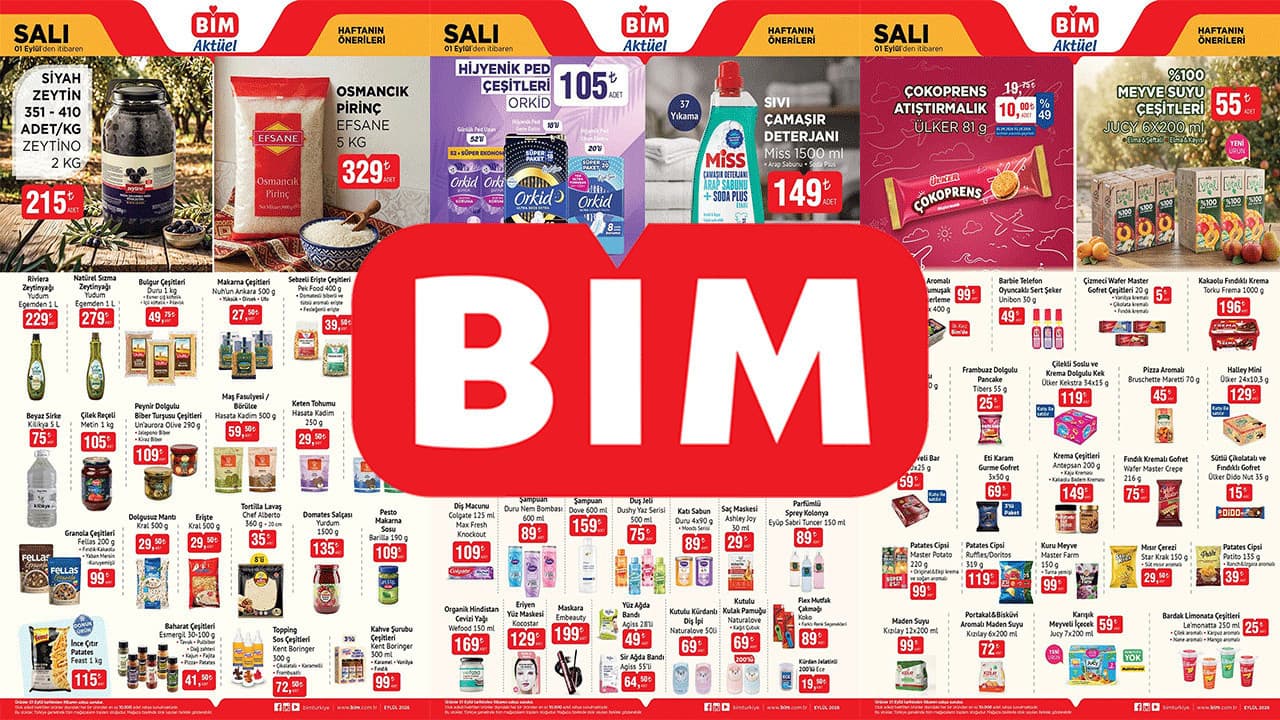
BİM's September Discount Surge: Impact on Grocery Prices and Stock Market
BofA: Turkey’s Repo Resumption Signals Liquidity Normalisation, TLREF Falls from 40% to 37%

Central Anatolia’s Industrial Parks See **5.2%** Energy Surge, Amplifying Investment Ambitions

Expanding the Tax Base and Introducing Expenditure Audits: Economic Implications
Latest Market News
All News →
easyJet Returns to FTSE 100: A New Era for European Aviation

Borsa Istanbul Dividend Shift: Major Players Redefine Payout Strategies
![[ISFIN] İŞ FİNANSAL KİRALAMA A.Ş.
Pay Dışında Sermaye Piyasası Aracı İşlemlerine İlişkin Bildirim (Faiz İçeren) - TRFISFN82712 ISIN Kodlu Finansman Bonosu İhracı](/_next/image?url=%2Fuploads%2Fkap-default.png&w=3840&q=75)
[ISFIN] İŞ FİNANSAL KİRALAMA A.Ş. Pay Dışında Sermaye Piyasası Aracı İşlemlerine İlişkin Bildirim (Faiz İçeren) - TRFISFN82712 ISIN Kodlu Finansman Bonosu İhracı
[AKM, AKMEN] AK YATIRIM MENKUL DEĞERLER A.Ş. Pay Dışında Sermaye Piyasası Aracı İşlemlerine İlişkin Bildirim (Faiz İçeren) - 26.08.2026 Vadeli Borçlanma Aracının İtfası
[HUZFA] HUZUR FAKTORİNG A.Ş. Pay Dışında Sermaye Piyasası Aracı İşlemlerine İlişkin Bildirim (Faiz İçeren) - TRFHZRF82611 ISIN KODLU FİNANSMAN BONOSU 2.KUPON ÖDEMESİ VE İTFASI