
Economy
20 Million Lira Cash Cycle and MASAK Allegations in AHBAP Investigation
724FinanceHakan Çelik
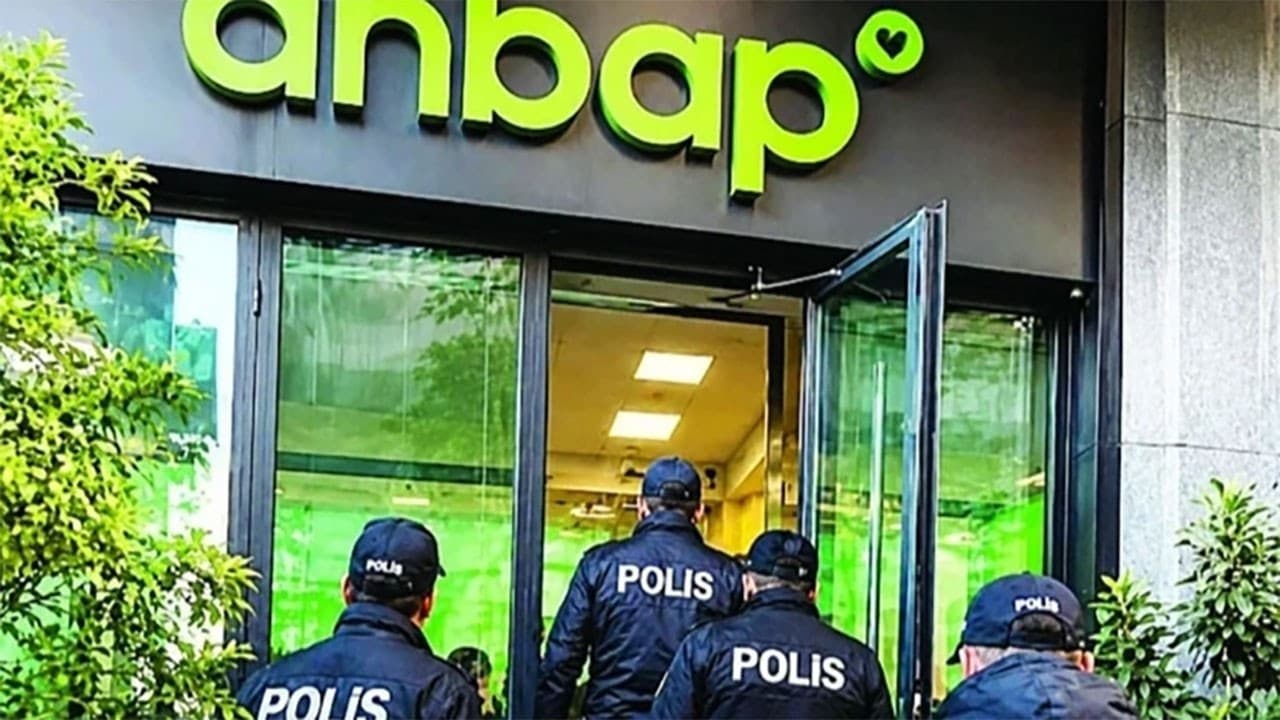
The in-depth investigation coordinated by the Istanbul Chief Public Prosecutor's Office has once again highlighted the critical importance of financial transparency and audit mechanisms over civil society organizations. The detention of Alper Çelik, alleged to have played a role in AHBAP Association's financial operations, serves not only as a legal process but also as a fiscal warning regarding the control of massive cash flows and resource usage. Data from the MASAK report indicates that money circulating within an official association structure far exceeds the limits of standard donation management.
The Shocking Financial Table of the MASAK Report
The detailed report prepared by the Financial Crimes Investigation Board (MASAK) reveals that an increase “contrary to the ordinary course of life” was detected in Alper Çelik's financial history starting from the first quarter of 2020. It is emphasized that this financial activity continued uninterrupted until the last quarter of 2024, bringing along concerns about unregistered economy.Crisis of Transparency: NGO Funds and Gambling Links
The most striking aspect of the investigation lies in the determinations regarding the usage areas of the collected funds. MASAK examinations show that a significant portion of the money transferred to Alper Çelik's account by Zafer Yay was forwarded to businesses operating in gambling activities, which are considered speculative and far from economic efficiency. This strengthens allegations of resource transfer through associations and constitutes a serious example of a 'shadow economy' in terms of fiscal discipline.The financial sustainability of non-governmental organizations is directly linked to public trust and tax discipline. Such a high volume of unexplained cash cycle reflected in MASAK data goes far beyond a standard aid collection activity. If these funds constitute undeclared income or illegal sources, this is not merely a legal issue, but a structural breakdown fueling the deepening of the informal economy. The fact that public resources or donors' wallets are managed with such a high-risk factor proves how essential financial oversight mechanisms are.