
Canadian Wildfire Smoke Spreads to 16 US States, Triggering Air Quality Alerts and Political Backlash
Kuzey Amerika'daki 820'den fazla yangın, özellikle **Kanada**'daki 156 kontrol dışı yangının etkisi altında kalan **ABD**'deki 16 eyaletten itibaren h

Over 820 wildfires in Canada, including 156 out-of-control blazes, have pushed smoke across the border into 16 US states, prompting air quality alerts and raising concerns over public health risks. The National Weather Service warned that smoke from the fires will continue affecting regions like Minnesota, Michigan, and New York through Sunday, with particulate matter posing threats to vulnerable populations. President Donald Trump threatened to impose additional tariffs on Canada, accusing the country of inadequate forest management, while Republican lawmakers in Congress called for sanctions against Canadian officials for their handling of the crisis. The economic toll of wildfires in the US ranges annually between $394 billion and $893 billion, according to the Joint Economic Committee, factoring in health impacts, income losses, and environmental damage. Health advisories recommend N95 masks for outdoor workers and indoor precautions for high-risk groups, as wildfire smoke contains harmful particulates and gases linked to respiratory and cardiovascular issues.
Economic and Political Fallout from Cross-Border Smoke
Climate Change Amplifies Wildfire Risks
This event underscores growing climate-related economic risks and potential strain on US-Canada trade relations. Stricter US policies on Canadian environmental practices could introduce new uncertainties for international investors, while the recurring wildfire season highlights systemic vulnerabilities in North American infrastructure and resource management.
Related News & Analysis
View All →
Apple's Foldable iPhone: A New Era for Markets?
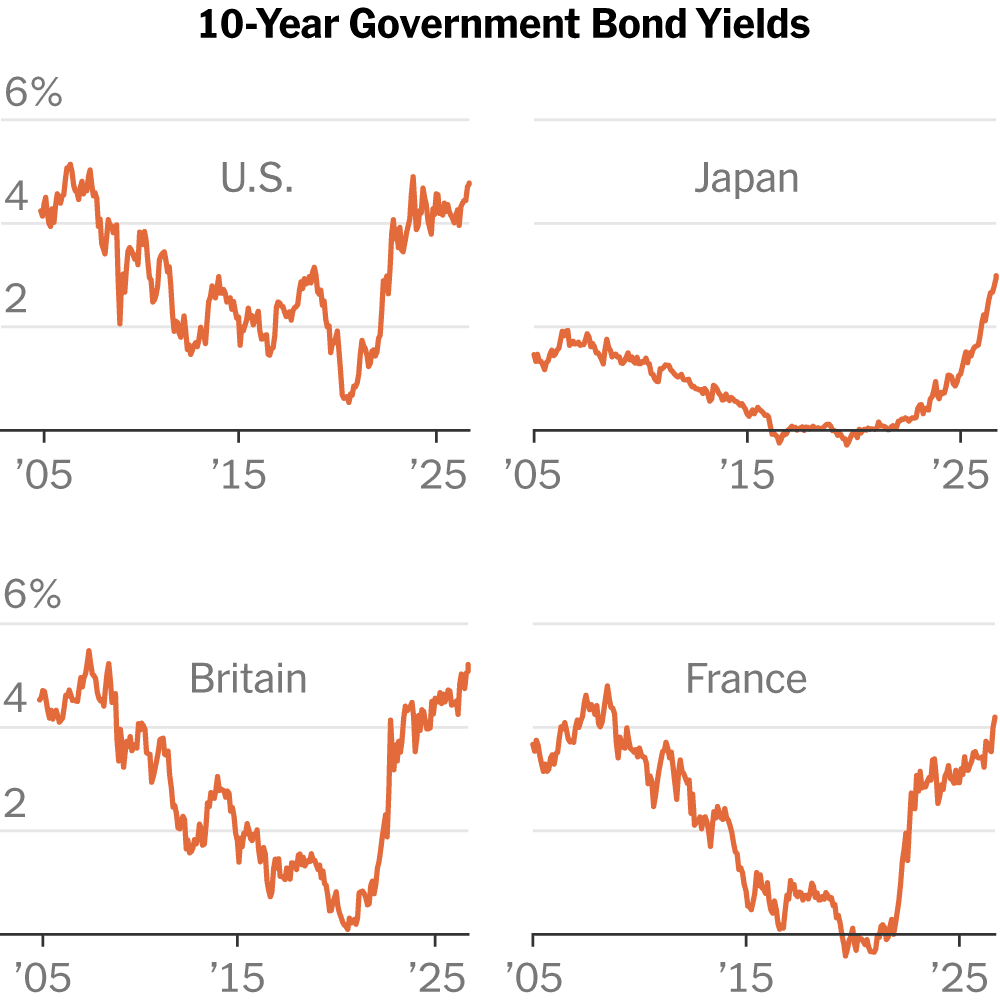
Global Bond Sell‑Off: High Yields Tighten Credit Worldwide

Prediction Markets Eye August Job Creation Figures

Apple’s New CEO John Ternus: Hardware‑First Leadership Meets the AI Challenge

Buttermilk Eatery Files Chapter 11: US Breakfast Chain's Liquidity Crunch
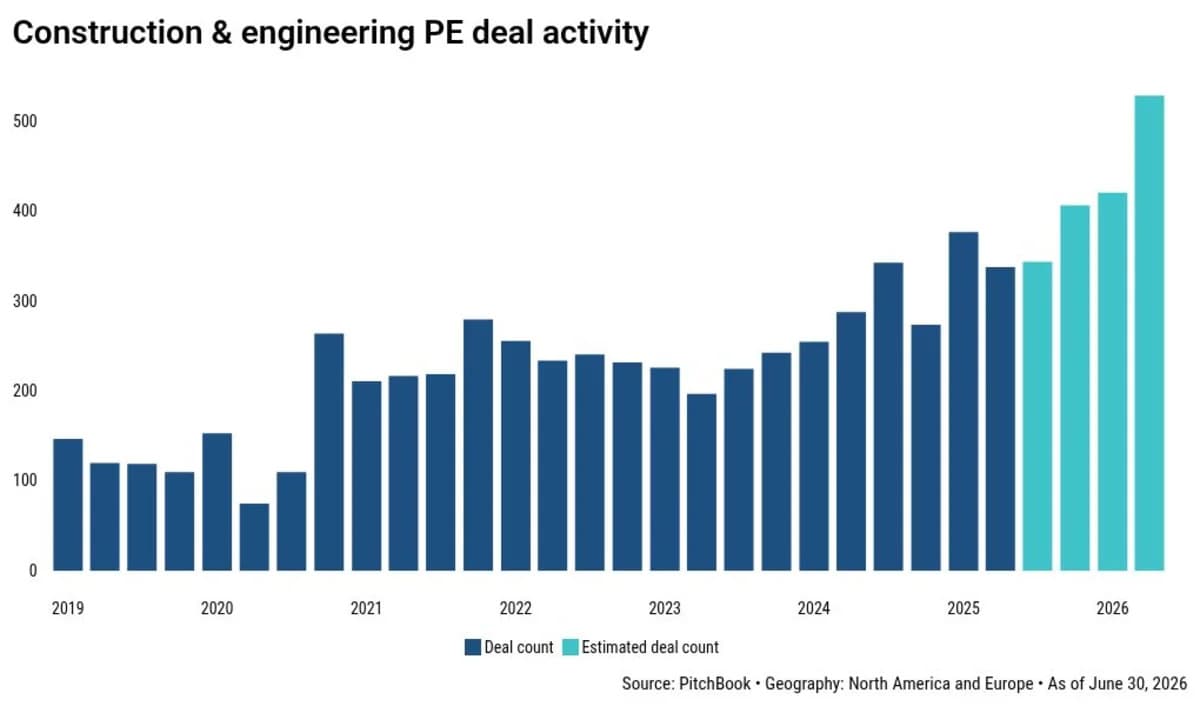
Private Equity Storms Into AI Data Center Construction: 529 Deals, 56.5% Surge
Latest Market News
All News →
X's Password Reset Storm: The Shadow on Stocks

Istanbul Airport 2025 Sustainability Report: Record Water Recovery and Emission Cuts
Apple's Foldable iPhone: A New Era for Markets?
Broadcom's AI Revenue Outlook: Where Investors Are Looking
Global Bond Sell‑Off: High Yields Tighten Credit Worldwide
