
Triple Pressure on Energy Costs: Fuel Prices Caught Between Exchange Rates, Brent, and Taxes
Küresel enerji piyasalarındaki volatilite ve yerel makroekonomik dengeler, Türkiye'nin pompa fiyatlarını yeniden kritik bir eşiğe taşıyor. **14 Temmuz
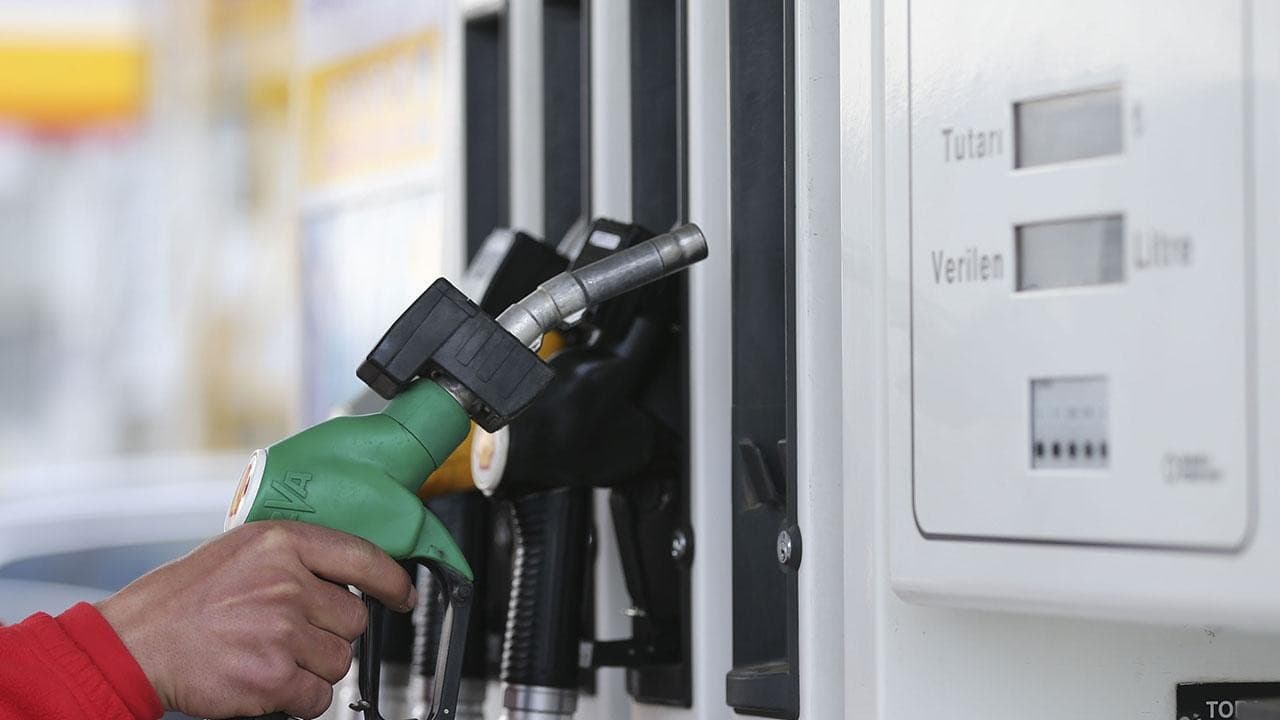
Volatility in global energy markets and local macroeconomic balances are once again pushing pump prices in Turkey toward a critical threshold. The figures updated as of July 14, 2026, reflect not just a price increase, but the cumulative effect of Brent crude's direction, exchange rate volatility, and fiscal policies on the consumer.
The Cost of Brent Oil and Currency Correlation
The synchronization between global crude oil prices and exchange rates, the primary determinants of fuel prices, is directly triggering upward movements at the pump. The current market landscape is shaped by the following dynamics:
Energy Inflation in the Consumer Wallet
Changes in gasoline, diesel, and LPG prices create indirect inflationary pressure by spreading across a wide range of products via logistics costs. In particular, movements in diesel prices used in commercial transport stand out as a factor directly affecting supply chain costs.
This upward trend in fuel prices narrows household disposable income and leads to an increase in credit card utilization in consumer financing. Since energy inflation crowds out savings tendencies by expanding the 'mandatory expenditures' category in individual budgets, strategic liquidity management is of critical importance during this period.
Related News & Analysis
View All →
Cimin Grape Harvest Kicks Off: GI-Labeled Fruit Opens Doors to Global Markets
Turkey's Gold Strategy: Seizing the 10,000‑Ton Opportunity

Turkey‑Saudi Arabia Seal 5 GW Renewable Power Deal: A New Dynamic in Regional Energy Balance
Halkbank’s SPK Filing Ignites Turkey’s Next Capital Wave

Hyundai's 2030 Vision: 5.55 Million Cars to Rewrite Global Competition
Bursa Chamber of Commerce Elections Set for Oct. 1: New Leadership and KOBI OSB Vision
Latest Market News
All News →![[NURVK] NUROL VARLIK KİRALAMA A.Ş.
Pay Dışında Sermaye Piyasası Aracı İşlemlerine İlişkin Bildirim (Faizsiz)
/ NRBNK - TRDNVKA22748 ISIN Kodlu Kira Sertifikasının Satışının Tamamlanması](/_next/image?url=%2Fuploads%2Fkap-default.png&w=3840&q=75)
[NURVK] NUROL VARLIK KİRALAMA A.Ş. Pay Dışında Sermaye Piyasası Aracı İşlemlerine İlişkin Bildirim (Faizsiz) / NRBNK - TRDNVKA22748 ISIN Kodlu Kira Sertifikasının Satışının Tamamlanması

BIST 100 Slides as Fed's Warsh Prepares to Speak: Market Awaits Key Signals
BORSA İSTANBUL BISTECH DEVRE KESİCİ UYGULAMASI Pay Bazında Devre Kesici Bildirimi / MRGYO - MRGYO.E işlem sırasında Pay Bazında Devre Kesici Uygulaması devreye girmiştir
[PBT, PBTR] PASHA YATIRIM BANKASI A.Ş. Kurumsal Yönetim İlkelerine Uyum Derecelendirmesi - Kurumsal Yönetim İlkelerine Uyum Derecelendirmesi Revizyonu
[AKSUE] AKSU ENERJİ VE TİCARET A.Ş. Sermaye Artırımı - Azaltımı İşlemlerine İlişkin Bildirim - Tahsisli sermaye artırımı hakkında
