
Record Fuel Hikes Hit Consumer Budgets Hard in 2026
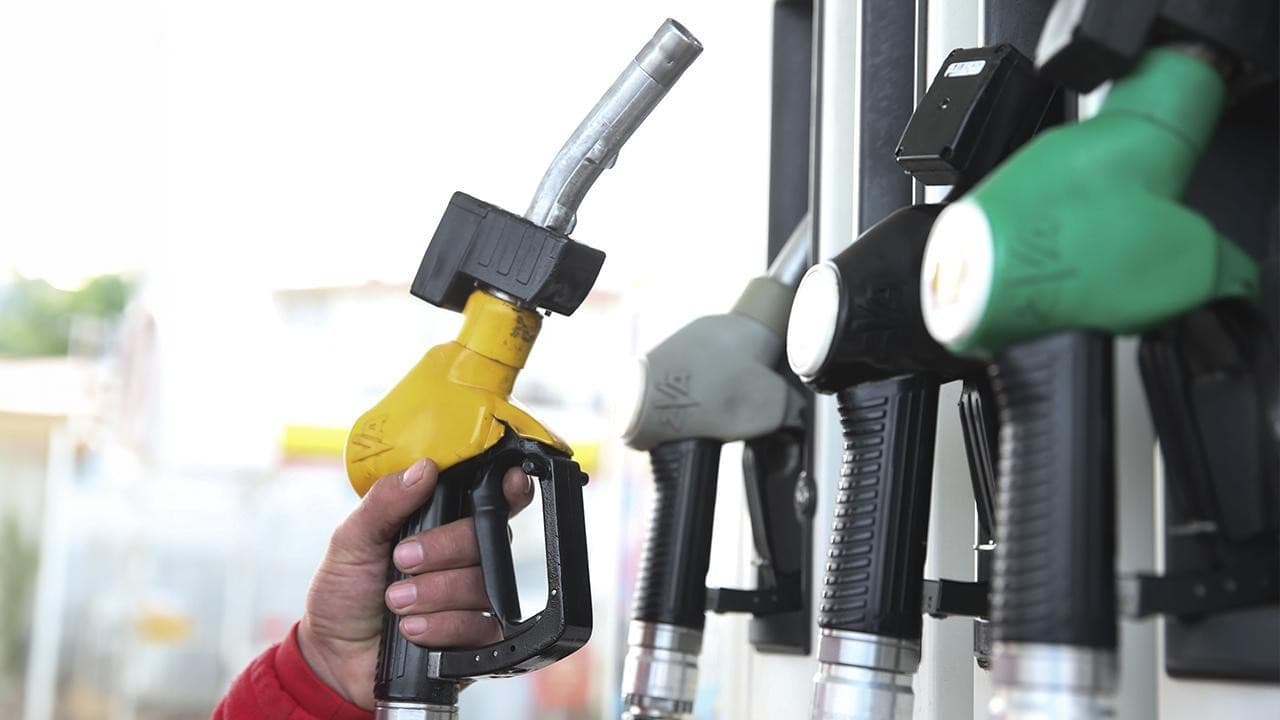
Fluctuations in global markets and sharp movements in foreign exchange rates have forced gas stations to reprice in the summer of 2026, while successive tax adjustments have pushed pump prices to historic highs. As a critical threshold for consumer finance, this development has become a pressure factor pulling down savings trends by directly hitting household transportation budgets. As of July 27, 2026, the picture across the country clearly demonstrates how the rise in urban transportation costs triggers inflationary expectations.
Global Volatility and Its Reflection at the Pump
Uncertainty in energy markets continues to pass on costs to consumers as pressure on the local currency increases. The combination of rising input costs and tax regulations created the following dynamics in fuel prices:
Prices Peak in Istanbul and the Capital Region
In Turkey's economic centers, gasoline and diesel prices surpassed expected hikes to reach record levels as of Monday, July 27. Considering regional differences, prices are circulating at the following levels:
Impacts on Consumer Finance
This rapid rise in fuel prices forces changes in individual wealth management strategies. The increasing share of transportation costs in fixed expenses significantly affects credit card usage habits and monthly cash flows.
This volatility in fuel prices is not merely a transportation cost increase, but also a serious inflation tax at the micro level. The fact that fuel expenses in household budgets remain so high squeezes savings rates against mandatory expenditures, causing medium-term financial goals to be postponed. In terms of individual credit usage, the risk of delays in credit card repayments rises due to disrupted cash flows.