
An Ageing Society May Not Cost Too Much
724FinanceGökhan Erez
Key Highlights
Tarih 2100. Çalışma yaşında olmak zor bir zaman. Sadece yükselen deniz seviyeleri, yaygın rogue AI'lar ve 80 yıl sonra pandemiden sonra video konferan
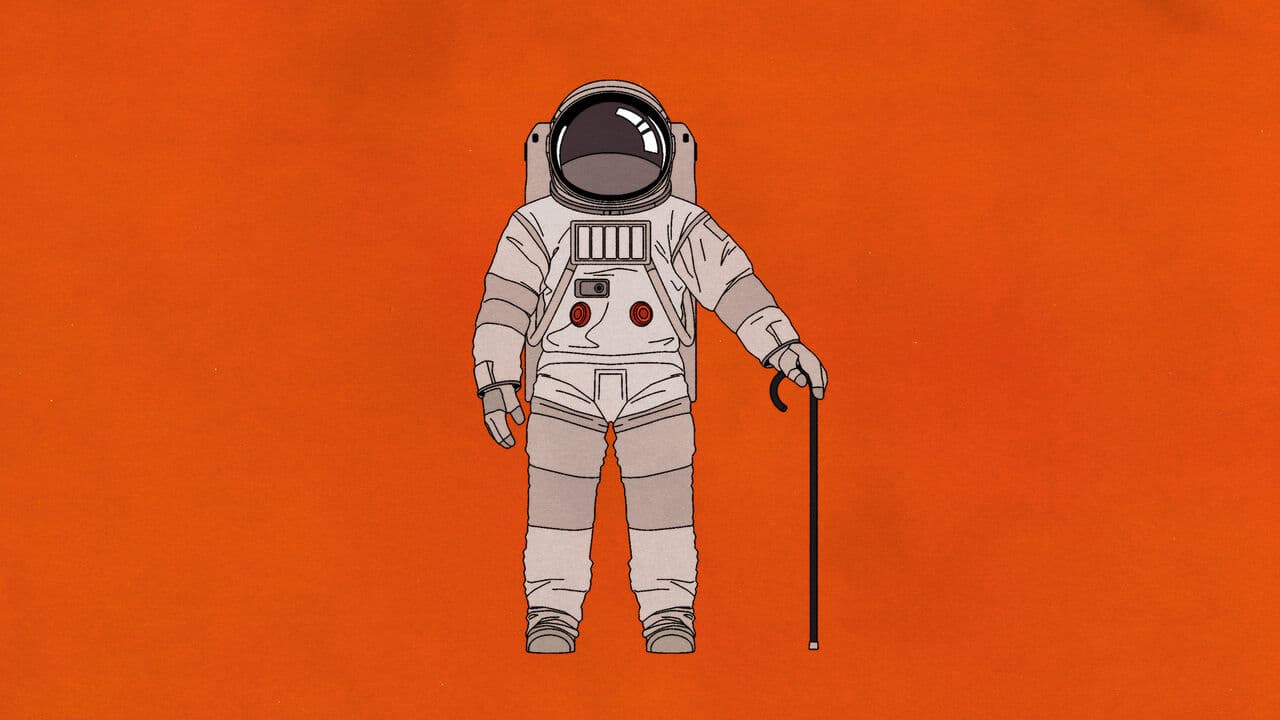
The year is 2100. It is a grim time to be of working age. Not only must you put up with rising sea levels, rampant rogue AI, and colleagues who, 80 years after the pandemic, still do not know how to mute themselves on a video call, but your take-home pay is meager. Taxes to finance state support for the vast grey population take an ever-larger chunk of your wage. After a century of health-care spending growing faster than the economy, there is little for anything but pills, hospital beds, and nurses.
Economic Theory and Science Fiction
Economists attribute this to Baumol's cost disease. Technologically intensive sectors (think of manufacturing or software development) get more productive. Labour-intensive service sectors do not. A doctor's consultation takes roughly as long as it did a century ago. Yet physicians' pay must match increases in faster-growing skilled industries, or all the doctors will go to work in tech.The Cost of the Future
The idea that an ageing society may not cost too much is a view shared by economists and science fiction writers. However, this does not diminish the scale of the challenges that will be faced in the future.Markets are sensitive to this situation and will play a significant role in shaping the future. The cost of an ageing society poses a significant challenge for the economy and the health care sector. But with the right strategies and investments, this cost can be made more manageable.
Related News & Analysis
View All →
ECB Consumer Expectations: Inflation Expectations Drop by 0.6%, Unemployment Expectations Rise by 2.3%
Federal Reserve Approves National Westminster Bank's U.S. Office Application
Federal Reserve Targets SouthPoint in Enforcement Action: A New Chapter in Banking Oversight
Federal Reserve Enforces Misappropriation Penalties: A Closer Look
Fed’s July 2026 FOMC Minutes: QT Tightening and Liquidity Squeeze

Europe’s Growth Model Cracks: Trade, Tech, and Capital Market Pressures
Latest Market News
All News →
Trump’s Economic Warfare Blueprint: Iran Faces a New Isolation Era

Uber Faces Nearly $1B Fine: GDPR's Heavy Price

BİM's August Discount Blitz: How It Could Reshape Market Expectations

Alihan Kuriş Investigation: 1818 Property Transactions and Bank Transfers Under Scrutiny

Dr. Dre and Jimmy Iovine: AI Could Revolutionize Music
