Apple Sues OpenAI Over Alleged Theft of Product Designs and Hardware Secrets
Apple, OpenAI'ın ürün tasarımları, üretim süreçleri ve tedarik zinciri stratejilerini çalıttığı iddiasıyla Kaliforniya Kuzey Bölge Mahkemesi'nde yeni
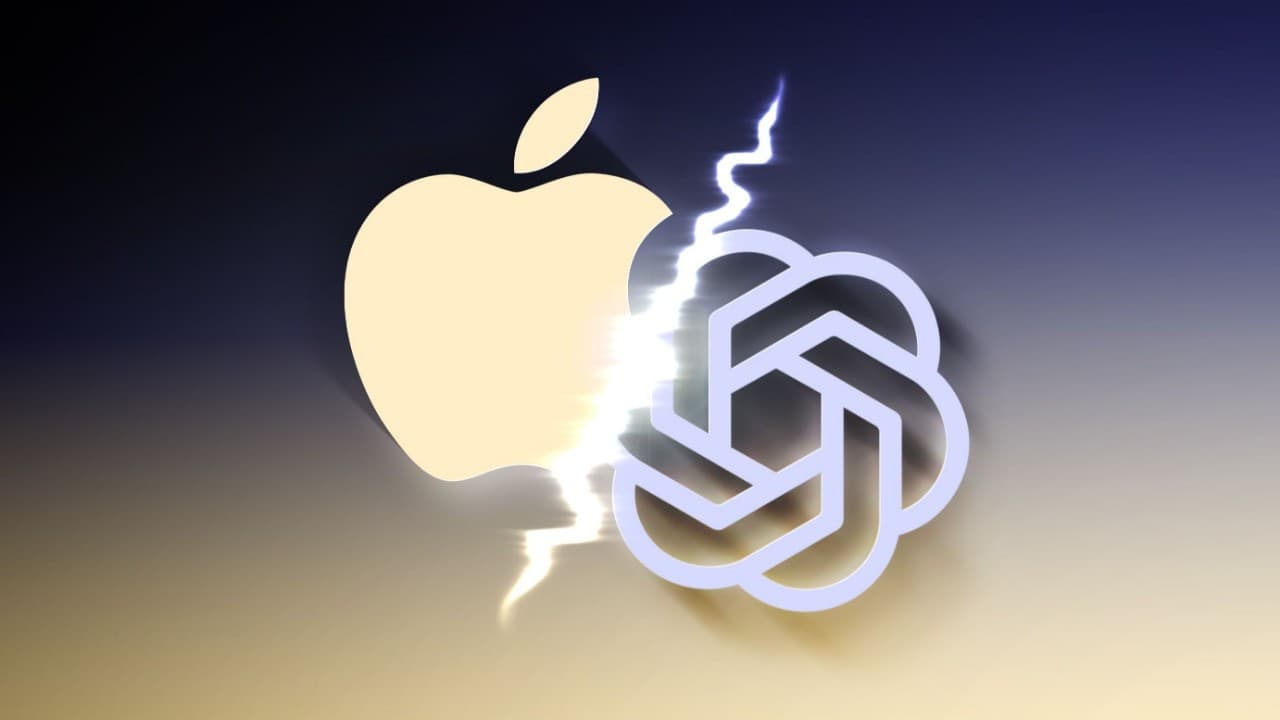
Apple has filed a lawsuit against OpenAI in the Northern California District Court, alleging that the company unlawfully obtained product designs, production processes, and supply chain strategies. Court documents claim OpenAI's hardware strategy is 'based entirely on stolen commercial secrets' and 'illegal.' Apple specifically accused former employees Tang Yew Tan and Chang Liu of misconduct. The filing states that Tan requested secret hardware components from current Apple employees interviewing for OpenAI positions, while Liu allegedly downloaded dozens of confidential hardware files by accessing Apple's network through a former colleague's computer. Additionally, OpenAI is accused of using special tactics to extend system access for departing Apple employees and demanding that hardware suppliers use Apple's proprietary metal coating technique, falsely claiming Apple's approval. Apple seeks immediate cessation of trade secret usage, return of all confidential materials, and monetary damages for incurred losses.
From a market perspective, this lawsuit represents a significant move by Apple to protect its competitive edge, though it risks escalating tensions with OpenAI in the tech sector. Legal disputes over trade secrets often reshape competitive dynamics and innovation strategies among industry leaders. As Dr. Aslıhan Demir, I believe such cases require careful monitoring due to their long-term implications on corporate innovation and capital investments.
Related News & Analysis
View All →
Iran’s Economy Minister Declares Full Readiness for New U.S. Sanctions

BİM’in Stratejik İndirimleri: Pazar Payını Artırmak mı, Müşteri Sadakatini Güçlendirmek mi?

Ankara’s Free‑Pass System: No More Toll Queues, Traffic Speeds Up

Turkish Women's Volleyball Team Sweeps Hungary 3-0, Completes a Perfect 3-3 Run
US Launches Economic D-Day on Iran: Global Sanctions Surge

F Istanbul 2026: Revamping Food Exports with 620-Firm B2B Platform
Latest Market News
All News →
Trump's New Tariffs on Canada: Economic Implications

U.S. Launches sweeping Economic Exclusion Campaign to Isolate Iran

Canada‑US Trade War Escalates: Ford Slams Trump
Tera Yatırım Teknoloji Holding’s New Face: Hüseyin Emre Sezer’s Diplomatic Shift

Tera Funds Break Thresholds in KARCL, MANAS and TEHOL Holdings