
Asian Refineries Pivot to U.S. Crude as Iran Conflict Escalates
724FinanceKaptan Rıza Deniz
Key Highlights
İran ve ABD arasındaki gerilim dalgalanırken, Asya’nın büyük rafinerileri kritik bir rotayı yeniden değerlendiriyor ve ABD hametine yönelmeye başladı.
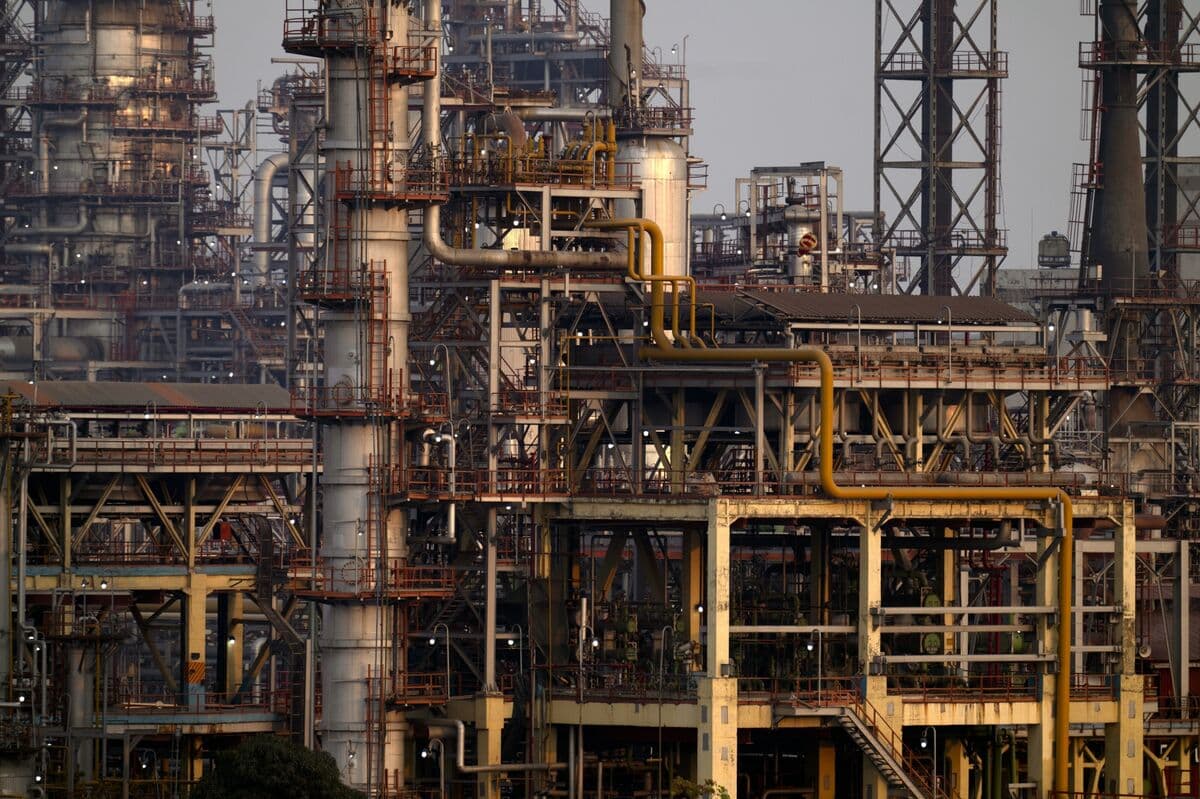
As tensions between Iran and the United States flare, Asia’s major refiners are reassessing a critical supply route and turning to U.S. crude.
Ripple Effects of the Iran‑U.S. Standoff on Global Oil Markets
Strategic Shift by Asian Refiners
Freight Flows and the Baltic Dry Index (BDI) Impact
Market Outlook and Risk Drivers
Markets have not yet fully priced in these dynamics. The rise in the Baltic Dry Index points to higher freight costs, while the pivot of Asian refiners toward U.S. crude serves as a buffer against Middle‑East supply uncertainty. In the short term, we can expect crude oil prices to stay within a 6‑8% band, but longer‑term trajectories will hinge on OPEC+ decisions and regional geopolitical developments. Captain Rıza Deniz
Related News & Analysis
View All →
AI‑Powered Market Rally: The Dawn of a New Era

From Meta to OpenAI: AI and Regulatory Tensions in Asia‑Pacific

Any’s LUV1 Modular E‑Bike Redefines Urban Logistics

Bank Reputation Crises: New Threats in the Digital Age
Meta’s Child Safety Settlement: Legal Fallout and Market Reactions

Inflation Blaze at Jackson Hole: Is the Fed's 2% Target in Jeopardy?
Latest Market News
All News →
MERKEZİ KAYIT KURULUŞU A.Ş. Borsada İşlem Gören Tipe Dönüşüm Duyurusu / EREGL - DÖNÜŞÜM
[KTSVK] KT SUKUK VARLIK KİRALAMA A.Ş. Pay Dışında Sermaye Piyasası Aracı İşlemlerine İlişkin Bildirim (Faizsiz) / ALVES - Alves Kablo-Gerçekleşmeyen İtfa/Getiri Ödemesi
MERKEZİ KAYIT KURULUŞU A.Ş. Merkezi Kayıt Kuruluşu A.Ş. Duyurusu / KTSVK - Gerçekleşmeyen İtfa/Kupon/Getiri Ödemesi
[EMVAR] EMLAK VARLIK KİRALAMA A.Ş. Pay Dışında Sermaye Piyasası Aracı İşlemlerine İlişkin Bildirim (Faizsiz) / GRFIN - TRDEMVK62748 ISIN Kodlu Kira Sertifikasının 4. Dönemsel Getiri Ödemesi Hk.
[EMVAR] EMLAK VARLIK KİRALAMA A.Ş. Pay Dışında Sermaye Piyasası Aracı İşlemlerine İlişkin Bildirim (Faizsiz) - Şirketimiz Tarafından İhraç Edilmiş Olan TRDEMVK82647 ISIN Kodlu Kira Sertifikasının İtfası Hk.