
European Markets Open Mixed Amid Geopolitical Tensions: Index Fluctuations and Risk Sentiment
ABD’nin İran’a yönelik saldırılarını artırması, Avrupa borsalarında risk algısını yükselterek haftanın ilk işlem seansını belirsiz bir tabloyla başlat
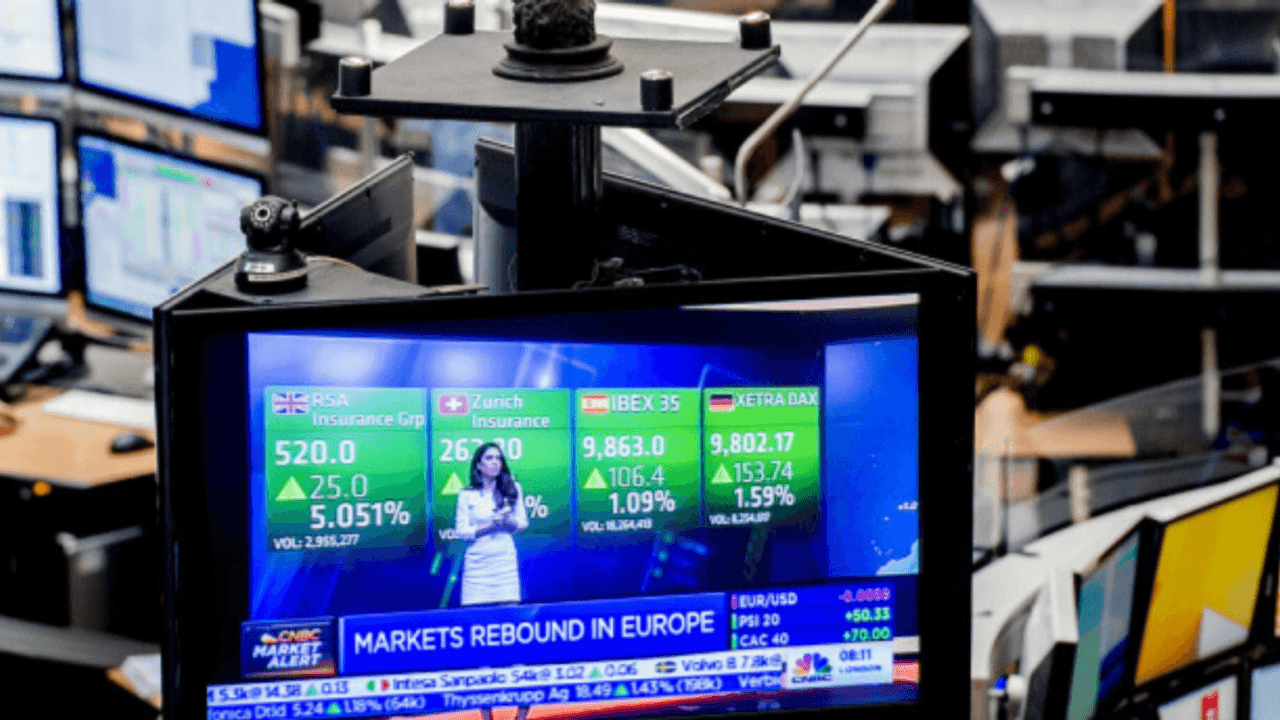
The United States' escalation of attacks on Iran has heightened risk sentiment across European markets, leading to a cautious start to the week’s trading sessions.
Strait of Hormuz Tension and Market Reaction
The U.S. Central Command (CENTCOM) announced a third round of strikes against Iran after Iranian forces fired on a commercial vessel transiting the Strait of Hormuz. This development has amplified geopolitical volatility in the Middle East, prompting global investors to adopt a more risk‑averse stance, which translated into a tentative opening for European equities.
Current Index Performance
Diplomatic Response from European Leaders
The United Kingdom, Germany, and France issued a joint statement condemning Iran’s “reckless” attacks on commercial vessels in the Strait of Hormuz and on regional states, reinforcing a cautious optimism in the markets.
Ukraine’s Strategic Shift
Ukrainian President Volodymyr Zelenskiy announced accelerated efforts to secure a U.S. license for the “Patriot” air‑defense missiles and to forge a joint European air‑defense system. These moves aim to bolster Ukraine’s defensive capabilities amid ongoing regional tensions.
Kerem Tufan – Director of Commercial Loans and Central Bank Policies
Rising geopolitical risks are intensifying the uncertainty that can exacerbate the current tightening of SME credit. In Europe, the growth rate of commercial loans is likely to decelerate as risk premiums rise. Central banks’ tight monetary stance adds liquidity pressure on the banking sector, driving up loan costs and making financing more challenging for SMEs. Companies should therefore revisit risk‑management frameworks and consider hedging strategies to mitigate exposure.
Related News & Analysis
View All →
Gold Slides to 7.75 Million Lira: What It Means for Investors on KMKTP
Foreign Investors' $150M Equity Purchase: What It Means for Turkey's Markets
KKM Falls to Zero: A Quiet Shift in Turkey’s Deposit Landscape
Foreign Investors Boost Equities as DİBS See Limited Liquidation: Small Exit, Big Momentum
BofA’s Star Stocks Shine in Borsa Istanbul, HSBC Surges at 14:30
Turkish Central Bank Reserves Surge to $188.4 Billion as Gold Holdings Climb
Latest Market News
All News →![[EKIM] EKİM TURİZM TİCARET VE SANAYİ A.Ş.
Payların Geri Alınmasına İlişkin Bildirim - 27 Ağustos 2026 tarihli pay geri alım işlemleri](/_next/image?url=%2Fuploads%2Fkap-default.png&w=3840&q=75)
[EKIM] EKİM TURİZM TİCARET VE SANAYİ A.Ş. Payların Geri Alınmasına İlişkin Bildirim - 27 Ağustos 2026 tarihli pay geri alım işlemleri
[BIMAS] BİM BİRLEŞİK MAĞAZALAR A.Ş. Kredi Derecelendirmesi - JCR Avrasya Kredi Derecelendirme Notu
[SASA] SASA POLYESTER SANAYİ A.Ş. Özel Durum Açıklaması (Genel) - Süresi İçinde Kaydileştirilmeyen Paylara İlişkin Yatırımcı Tazmin Merkezi Başvuruları hk
[IDGYO] İDEALİST GAYRİMENKUL YATIRIM ORTAKLIĞI A.Ş. Katılım Finansı İlkeleri Bilgi Formu - Katılım Finansı İlkeleri Bilgi Formu
[ERSU] ERSU MEYVE VE GIDA SANAYİ A.Ş. Özel Durum Açıklaması (Genel) - Konya Ereğli?de bulunan taşınmazlarımıza ilişkin imar planı onayı ve karma proje geliştirme çalışmaları hakkında.