Babacan: Turkey's Economic Recovery Requires a New Alternative Framework
Türkiye Büyük Millet Meclisi çatısı altında yeni bir siyasi alternatif inşası gündemde. DEVA Partisi Genel Başkanı Ali Babacan, Antalya'da düzenlenen
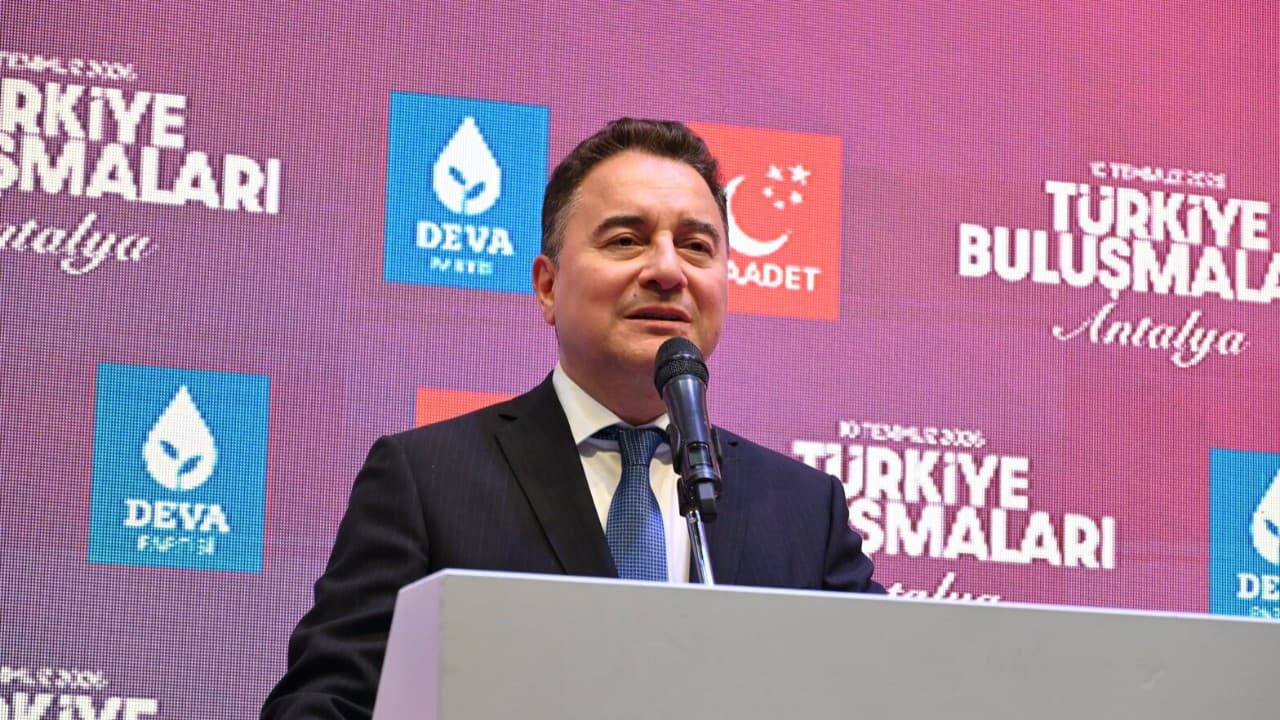
A new political alternative framework is taking center stage under the roof of the Turkish Grand National Assembly. DEVA Party leader Ali Babacan, speaking at the "Turkey Meetings" program in Antalya, emphasized the structural economic challenges facing the nation, particularly the lack of production and the marginalization of agriculture. He stated, 'An economy that does not produce cannot be strong,' highlighting how the decline in industry and neglect of farming will erode Turkey's competitiveness in the long run. Babacan also pointed to stark inequality, noting that the wealthiest 1% of the population holds 40% of total wealth, while the poorest half owns just 4%. These figures underscore a troubling wealth gap.
On the impact of the bipolar political system, Babacan warned that 'the two-party system has brought no benefit to citizens.' Since the 2017 shift to a presidential system, he argued, political parties have lost the ability to govern independently or form coalitions, leading to a limited political landscape. The formation of the Yeni Yol group and collaboration with the Felicity Party marks the beginning of a search for alternatives, with Babacan asserting, 'Turkey's way out lies only in building a new alternative.'
In his call for equitable resource distribution, Babacan emphasized that the issue is not resource scarcity but mismanagement. He highlighted Turkey's vast agricultural lands and young population as untapped potential, stressing that public power must be used to create opportunities and ensure fairness rather than privilege. Criticizing the recent NATO Summit, he noted that 'life in Ankara came to a standstill, merchants suffered losses,' and criticized the government's failure to compensate those affected. Babacan concluded by stating that a strong state is one that does not neglect its citizens, and that the current approach falls short of this standard.
Related News & Analysis
View All →
Iran’s Economy Minister Declares Full Readiness for New U.S. Sanctions

BİM’in Stratejik İndirimleri: Pazar Payını Artırmak mı, Müşteri Sadakatini Güçlendirmek mi?
Ankara’s Free‑Pass System: No More Toll Queues, Traffic Speeds Up

Turkish Women's Volleyball Team Sweeps Hungary 3-0, Completes a Perfect 3-3 Run
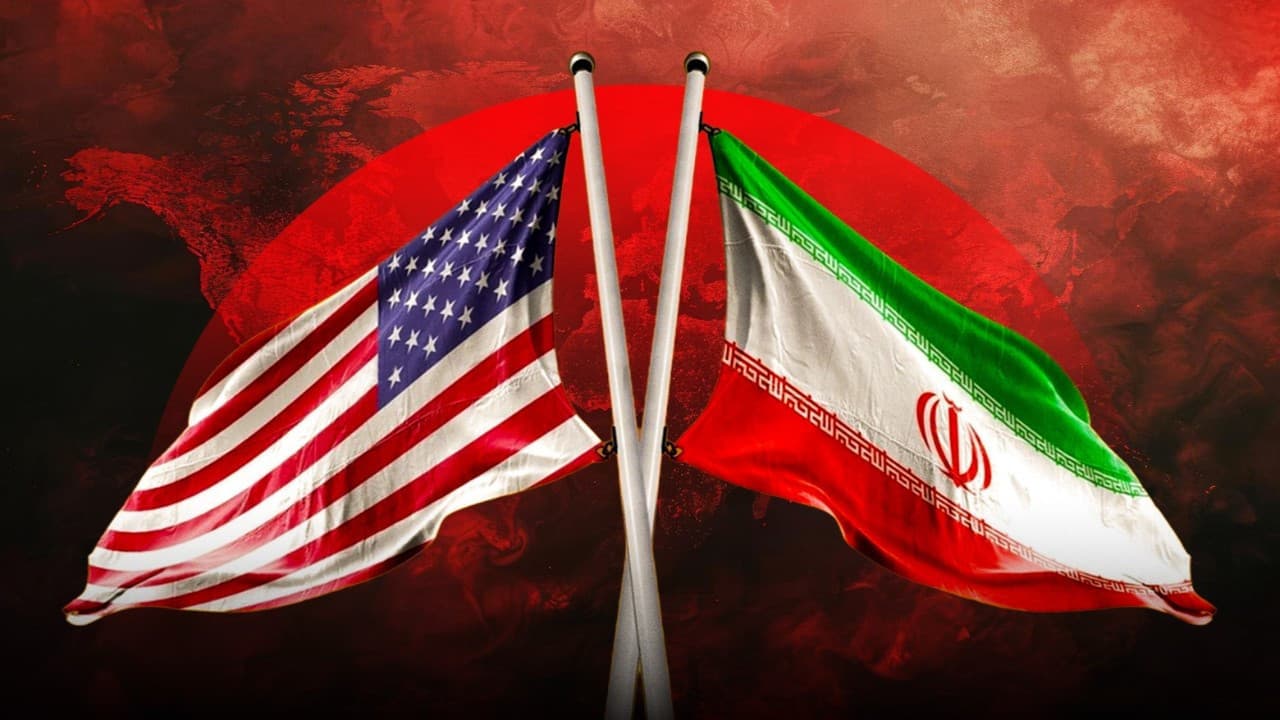
US Launches Economic D-Day on Iran: Global Sanctions Surge

F Istanbul 2026: Revamping Food Exports with 620-Firm B2B Platform
Latest Market News
All News →
Trump's New Tariffs on Canada: Economic Implications
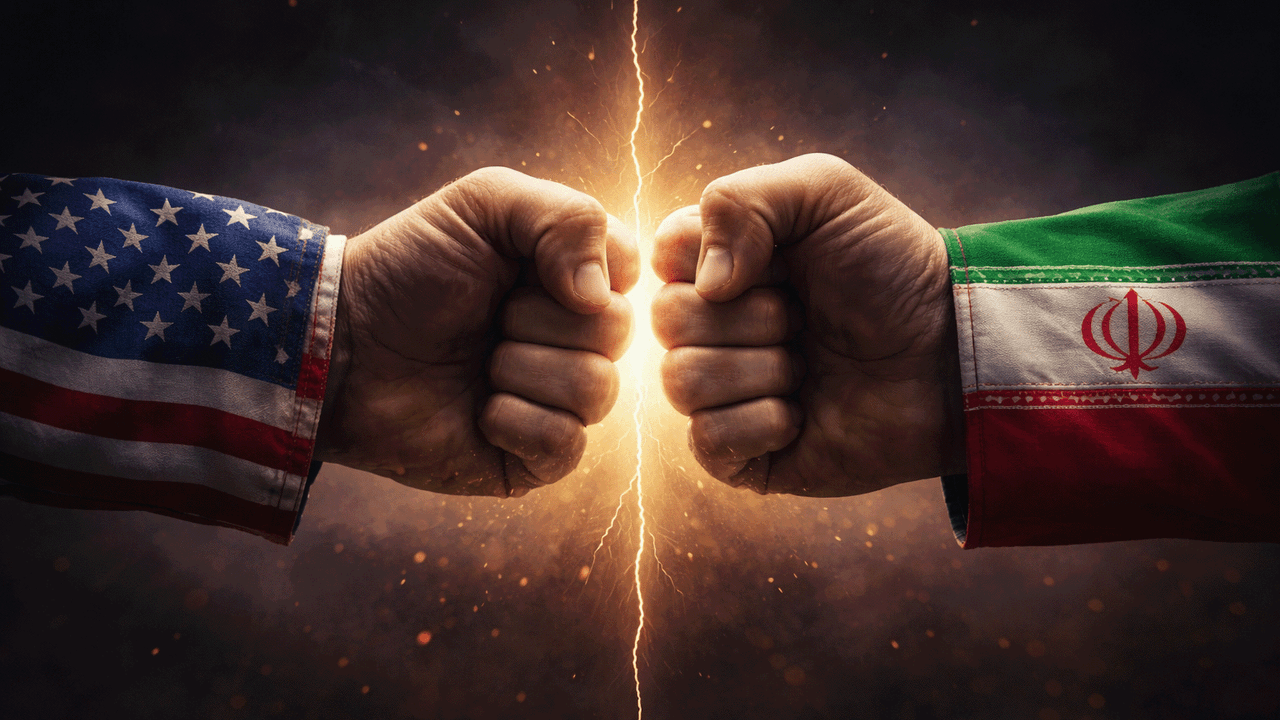
U.S. Launches sweeping Economic Exclusion Campaign to Isolate Iran

Canada‑US Trade War Escalates: Ford Slams Trump
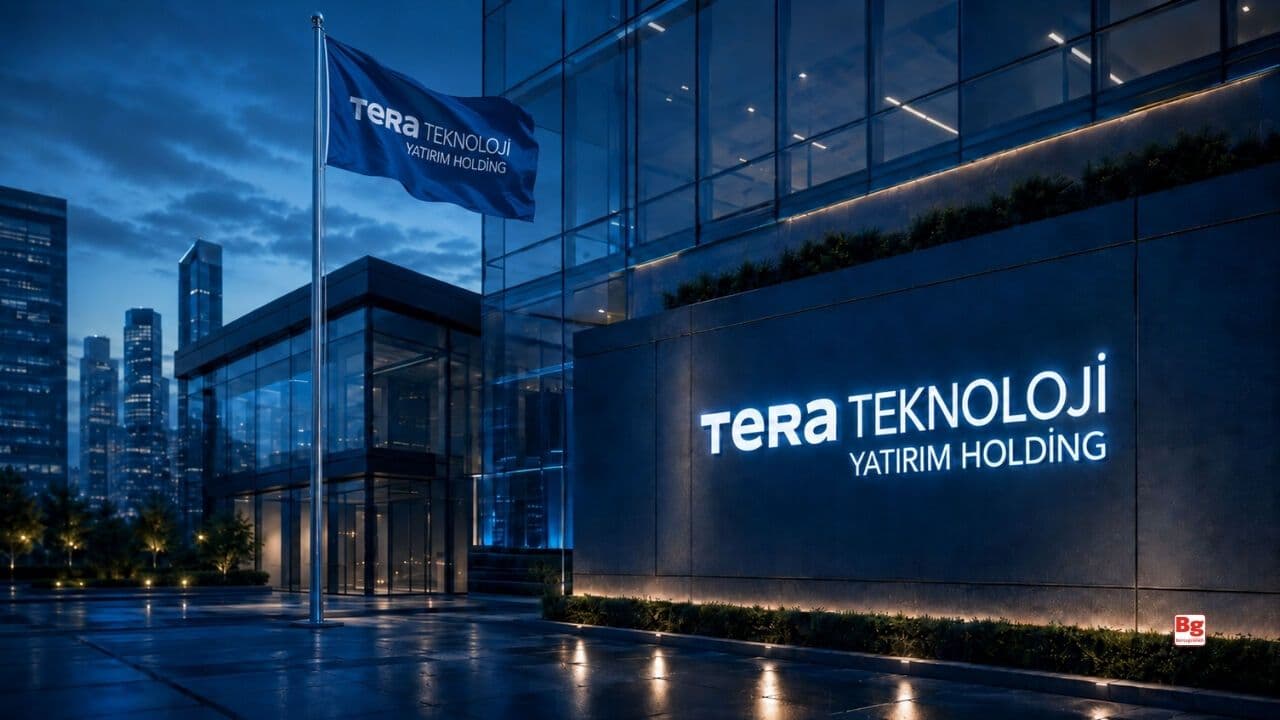
Tera Yatırım Teknoloji Holding’s New Face: Hüseyin Emre Sezer’s Diplomatic Shift

Tera Funds Break Thresholds in KARCL, MANAS and TEHOL Holdings