Stock Market

Conflict of Supply Bottleneck and Demand Resistance in Copper Markets

724FinanceKerem Tufan
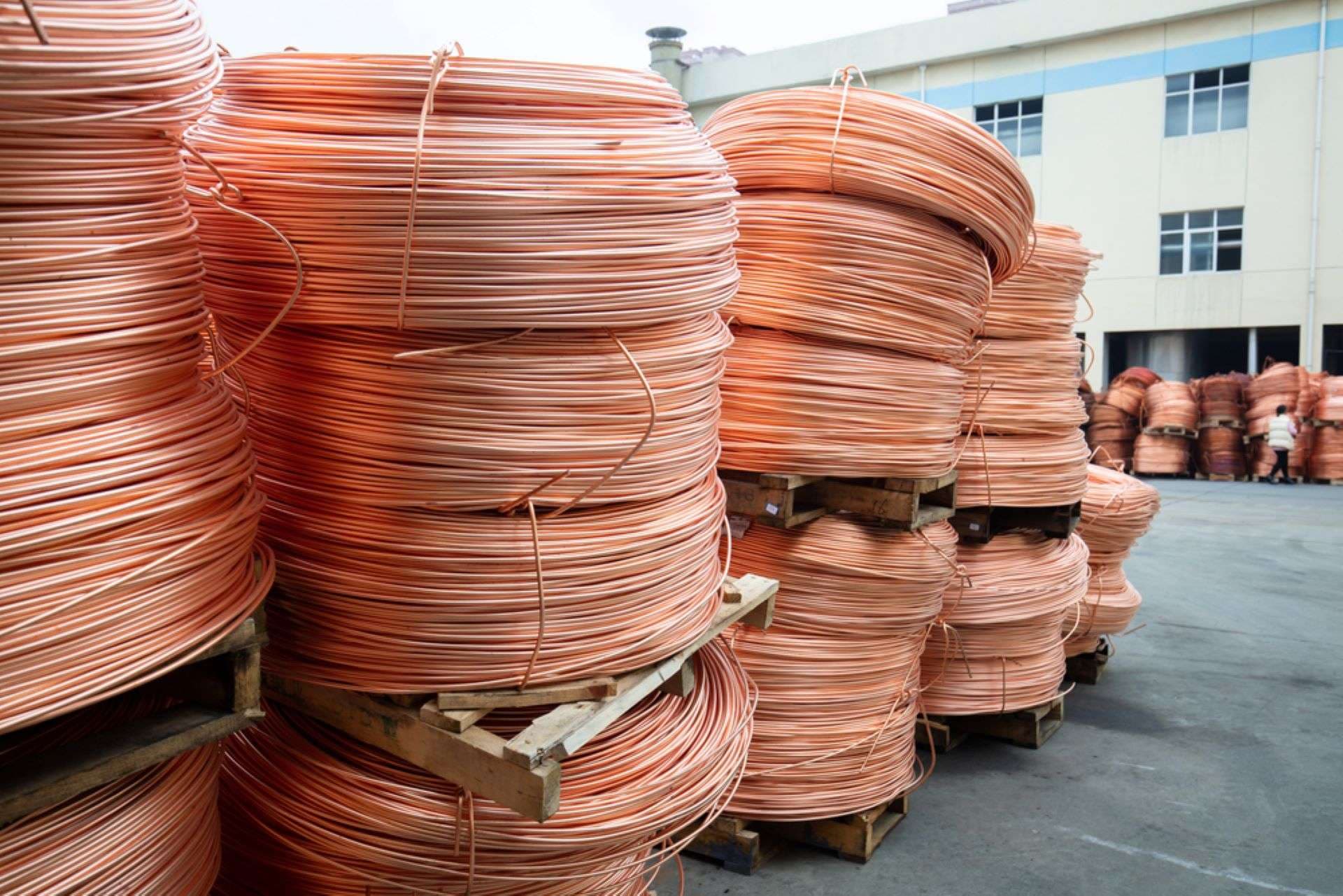
Conflict of Supply Bottleneck and Demand Resistance in Copper Markets

A deepening contradiction is capturing attention in global commodity markets; while copper prices are climbing toward historical highs due to structural bottlenecks on the supply side and critical declines in inventories, this aggressive pricing is being balanced by "destruction" on the demand side. The market is experiencing asset scarcity due to limited mining output, yet record prices are forcing industrialists to curb purchases, making further price increases difficult.

Constriction in the Global Supply Chain

The primary reason for the upward pressure in the copper market is the inability of production capacity to meet demand.
  • Strikes and production disruptions in leading mining regions are creating significant fragility on the supply side.
  • The decline in strategic stocks is deepening the physical copper shortage in the market.
  • Rising energy costs are becoming a triggering factor for supply pressures by affecting refinery outputs.
  • Brake Pedal on the Demand Side: Cost Pressure

    The excessive rise in prices acts as a damping mechanism on the demand side.
  • High prices are causing firms in the manufacturing sector to revise their inventory strategies.
  • The increase in costs reflected in end-user prices emerges as the main factor limiting final demand.
  • Limiting purchases to only urgent needs is leading to a shrinkage in market volume.
  • From the perspective of Kerem Tufan, evaluating these developments through the lens of commercial loans and macroeconomics, I see that price volatility in strategic commodities like copper affects not just the mining sector but the entire production chain. Inflationary pressure caused by supply constraints creates tightening pressure on the monetary policies of central banks. In this environment, while financing costs for SMEs dependent on raw material imports rise, risk monitoring in commercial loan portfolios requires a more sensitive macroprudential approach against these fluctuations in commodity prices.
    Kerem Tufan

    Financial Analyst: Kerem Tufan

    Ticari Krediler ve Merkez Bankası Politikaları Direktörü. KOBİ kredilerindeki daralmayı, ticari kredi büyüme hızını ve makroihtiyati tedbirlerin bankacılık sektörüne etkisini analiz eden eski bankacı.

    Disclaimer: The investment information, comments, and recommendations contained herein are not within the scope of investment advisory. Investment advisory services are provided individually by authorized institutions, taking into account the risk and return preferences of individuals. The comments and recommendations contained herein are general in nature. These recommendations may not be suitable for your financial situation and your risk and return preferences. Therefore, making an investment decision based solely on the information contained herein may not produce results that meet your expectations.

    © 2026 724Finance - All Rights Reserved.Original Source: Foreks.com