
NATO 3.0 Declared: The $50 Billion Ecosystem Revolution in Defense Industry
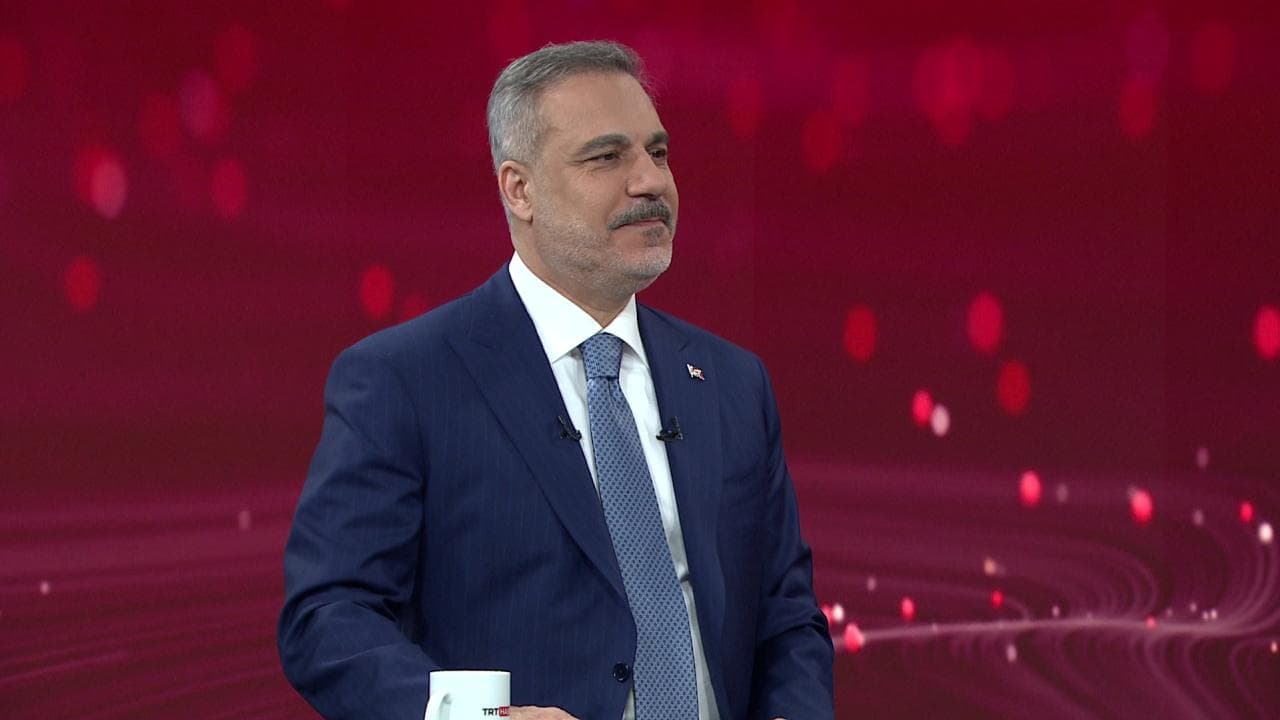
Foreign Minister Hakan Fidan’s historic assessment following the NATO Summit formalizes the alliance's pivot from a mere military security mechanism to a $50 billion defense industry ecosystem and economic burden-sharing framework. Fidan emphasizes that the crises in transatlantic relations have paved the way for a return to NATO's founding philosophy under Turkey's leadership, elevating the defense industry to a primary strategic pillar.
NATO 3.0: The Industrial Pivot Beyond Cold War Era
Minister Fidan defines the alliance's new strategic concept as "NATO 3.0," noting that the defense industry is no longer a supporting element but a main component central to all planning. This transformation forces a shift from member states producing in isolation to establishing a collective ecosystem.
Transatlantic Cost Balancing and Burden Sharing
The most concrete outcome of the summit is the transformation of the "burden sharing" discussions, long voiced by the US, from a concept into practical policy. European states are now required to step up and share security costs while maintaining their prosperity levels provided by US security.
Global Order in Supply Chains and Market Access
Fidan stated that the future of the defense industry relies on two critical elements: the uninterrupted operation of supply chains and access to markets. It was highlighted that the Turkish defense industry focuses on high strategic technologies such as air defense systems, missile systems, and jet aircraft, rather than small and medium-scale vehicles.
This summit marks the official beginning of the transition from a nationalist approach to global integration in the defense industry. The high technology produced by Turkey is evolving from a mere display of military power into the locomotive of intra-alliance trade and supply chains. Markets are seeing long-term value appreciation potential in the equities of firms that will secure a place in this new ecosystem.