
Active Insured Individuals in Malatya Reach 227,000; 24-Year 105% Growth
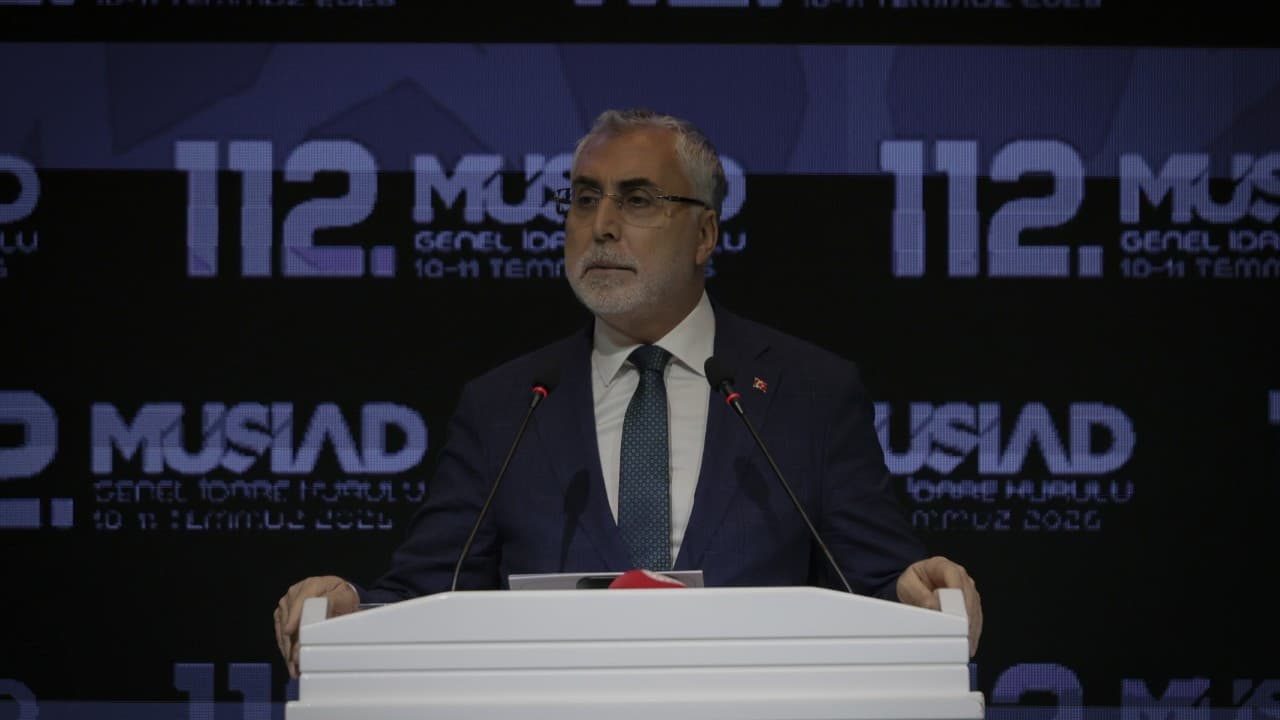
Work and Social Security Minister Vedat Işıkhan announced that the number of active insured individuals in Malatya has increased to 227,31 as of March 2026, up from 110,644 in 2002, marking a 105% rise over 24 years. He emphasized that post-earthquake employment support in Malatya contributed significantly to this growth. According to ministry data, the employment rate in Malatya stands at 46.8%, with labor force participation at 52%. Employment distribution shows 53.5% in services, 34.2% in industry, and 12.3% in agriculture. Since 2002, 188,000 citizens have been employed through İŞKUR, while 36,623 and 47,405 have participated in vocational training and on-the-job training programs, respectively. Special policy initiatives for vulnerable groups have provided services to 4,678 citizens, and 58,606 individuals have received temporary income support under the Public Interest Programs. Post-earthquake, 14,132 citizens in Malatya received over 126 million liras in short-term work allowances, while 84,380 individuals were paid approximately 1.25 billion liras in unemployment benefits. Additionally, 52,994 businesses have benefited from incentives, with total support exceeding 7.5 billion liras. Işıkhan highlighted Malatya's historical role as a trade hub and its production potential, stating, 'I wholeheartedly believe that Malatya will regain its former strength and stride toward a much stronger future, thanks to the joint efforts of our state and nation.'
These statistics on the insurance sector underscore the impact of employment support following natural disasters like earthquakes. The rise in insured individuals in Malatya reinforces the stability of social security systems. However, the dominance of employment in the service sector suggests a balanced structure for banks and financial institutions in terms of insurance premiums and risk management strategies. Short-term work payments and unemployment supports may increase fiscal pressure, prompting insurance companies to prioritize fixed revenue streams through product innovation and digital transformation investments.