The Free Check-Up Trap: The Economics of 'Induced Demand' in Private Healthcare
Özel sağlık sektöründe son dönemde agresif bir şekilde artış gösteren "bedava check-up" kampanyaları, müşteri kazanımı (customer acquisition) maliyetl

The recent aggressive surge in "free check-up" campaigns across the private healthcare sector functions as a highly sophisticated marketing funnel designed to lower customer acquisition costs and unlock new, high-margin revenue streams. The asymmetric information gap and anxiety induced in consumers rapidly convert these complimentary initial services into paid treatments, advanced diagnostic tests, and pharmaceutical consumption.
The Hidden Cost of "Free" and the Anatomy of the Healthcare Funnel
In the commercialization of healthcare, the perception of "free" has become the most powerful customer magnet for private hospital chains. The operational mechanisms and financial background of this strategy rely on several key dynamics:
"Induced Demand" and the Financialization of Modern Medicine
In private healthcare, the classical economic theory of supply and demand is disrupted by "supplier-induced demand." In this asymmetric market, where the consumer (the patient) cannot rationally determine their own medical needs, private healthcare providers operate similarly to retail centers, aiming to maximize transaction volume. This dynamic fuels healthcare inflation while systematically eroding household disposable income.
There is a striking structural parallel between the aftersales service models in the automotive and heavy machinery industries and this 'free check-up' strategy in private healthcare. Just as an automotive dealer offers a 'free 101-point inspection' to lock customers into high-margin brake pad, disc, or suspension replacements, private hospitals utilize free diagnostics to trigger a lucrative cycle of paid medical interventions. This highlights how modern capitalist business models, regardless of the sector, heavily rely on 'induced demand' to sustain top-line growth. While this model boosts the profitability ratios of private healthcare operators and insurance firms in the short term, the hidden financial pressure on household disposable income could act as a drag on broader consumer spending in the medium term.
Related News & Analysis
View All →
Deposit Rate Race Heats Up: Monthly Return Analysis for 1 Million TL

Arcfox Unveils 500,000 TL‑Under EV: Battery Leasing Revolution

Fuel Price Volatility: 19 August 2026 Data and Market Implications
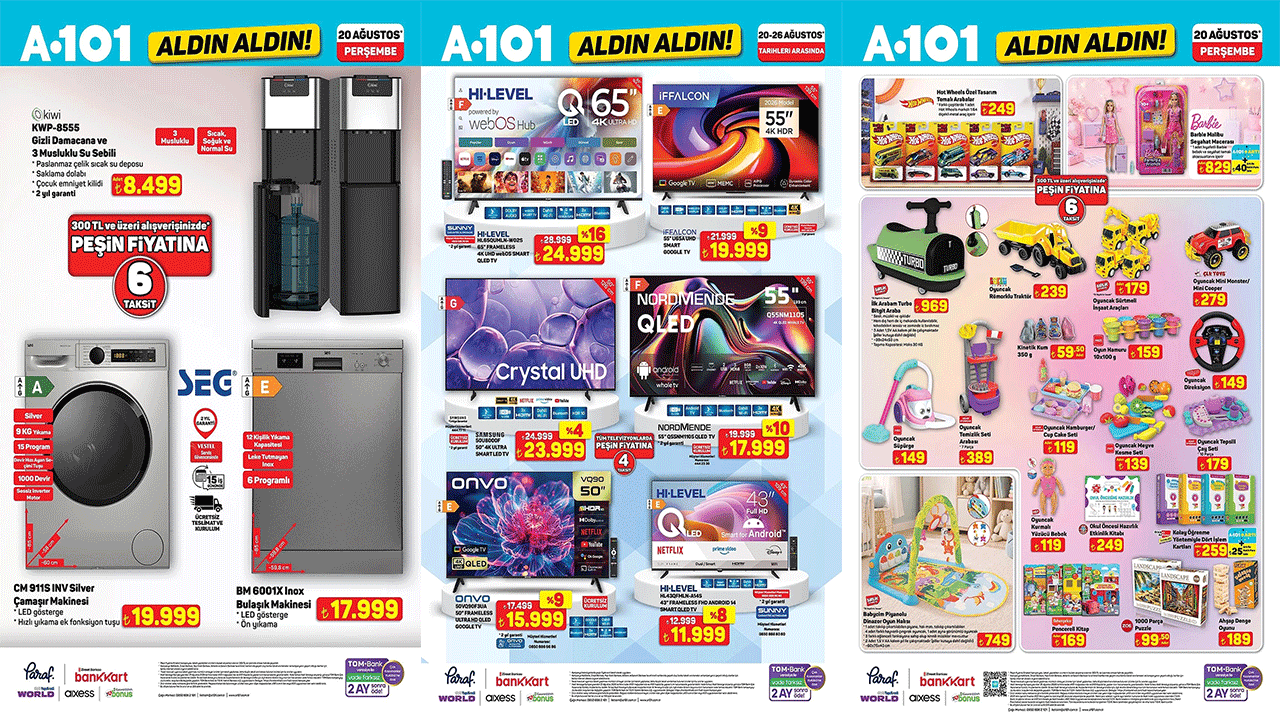
A101's Steel Tea Maker Signals Shift in Home Automation Market

Istanbul Earthquakes: Adalar Fault Seismic Activity and Automotive Sector Risks

BİM’s Big Market Surprise: Prices Drop, Shocking Shoppers
Latest Market News
All News →
Moderna's Cancer Vaccine Euphoria Hits Profit-Taking Wall: $18 Billion Wipeout
Moderna’s Personalized mRNA Gamble: Oncology Revolution or Market Bubble?
![[GSRAY] GALATASARAY SPORTİF SINAİ VE TİCARİ YATIRIMLAR A.Ş.
Transfer Görüşmelerinin Sonuçlanması veya Sona Ermesi - Profesyonel Futbolcu Aleksei Batrakov Transferi Hakkında](/_next/image?url=%2Fuploads%2Fkap-default.png&w=3840&q=75)
[GSRAY] GALATASARAY SPORTİF SINAİ VE TİCARİ YATIRIMLAR A.Ş. Transfer Görüşmelerinin Sonuçlanması veya Sona Ermesi - Profesyonel Futbolcu Aleksei Batrakov Transferi Hakkında

Norway’s July Oil Production Slump Sends Shockwaves Through European Energy Markets

XRP's Post‑Election Best Week and Bitcoin Short Squeeze Shake the Crypto Market