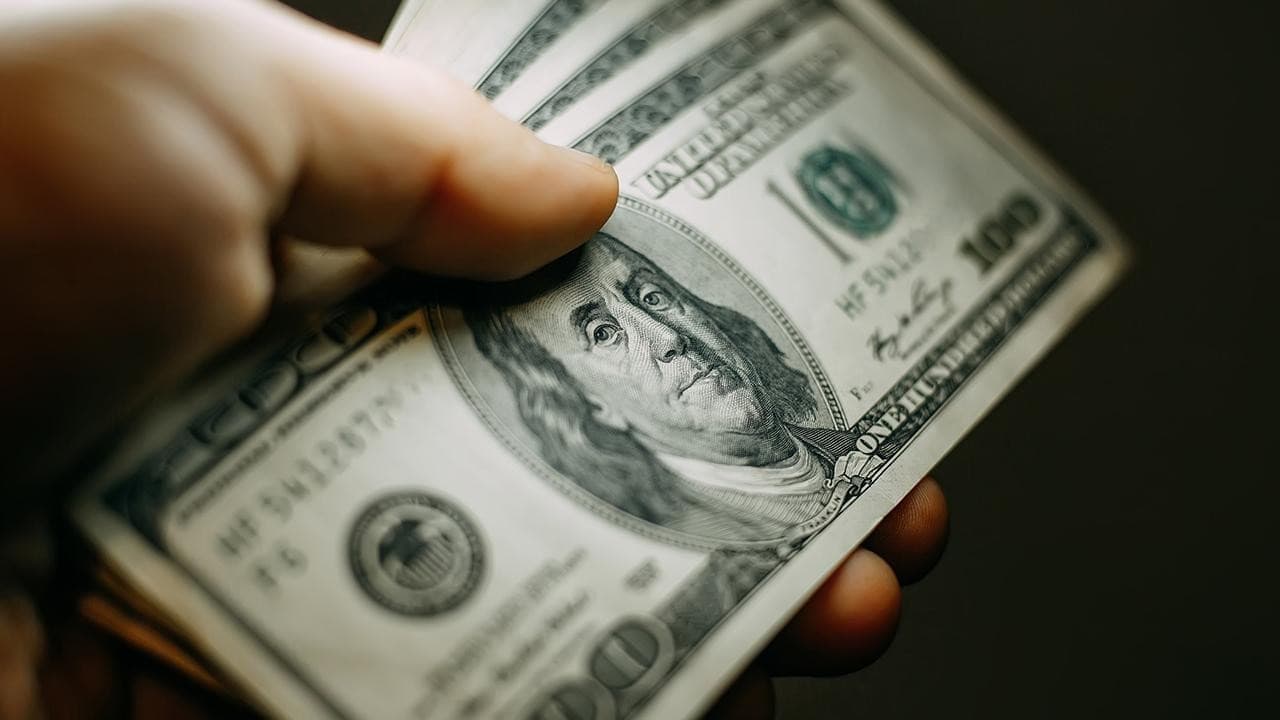
US and Japan Reverse Yen's Slide: The Market Impact of a Bold Coordination
724FinanceEge Kaan
Key Highlights
ABD ve Japonya, yenin en büyük düşüşlerinden birini tersine çevirmek için beklenmedik bir koordinasyon gösterdi. ## Büyük Koordinasyon: Yenin Yeniden

The United States and Japan staged an unexpected coordination to reverse one of the yen’s largest declines.
Bold Coordination: Yen’s Rebound
Execution Mechanism: Direct Buys and Policy Hype
Market Reaction: Forex Multipliers and Speculators’ Response
Micro and Macro Effects: Inflation, Trade, and Capital Flows
Outlook: Limits of Stability and Strategic Recommendations
Markets view this coordination as a signal of long‑term stability, yet short‑term volatility is expected to rise. A stronger yen will reduce Japan’s import costs but may exert mild pressure on US borrowing costs. Investors should closely monitor the sustainability of these interventions and future policy consistency.
Related News & Analysis
View All →
FIFA's Leadership Crisis: Infantino Loses Uefa's Trust and Global Football Markets React

Iran's Water System Cyberattacks: A Wake-Up Call for U.S. Critical Infrastructure Security

Justin Bieber’s World Cup Performance Reshapes Music Industry Market Dynamics
Bank of England Cuts Coal Bond Collateral Acceptance

Reform UK’s Financial Web and Political Ties

Staveley's Saudi Consortium Secures 25.1% Stake in West Ham After Deal Collapse
Latest Market News
All News →
Industrial Rotation in S&P 500: Ferguson's New York Integration
Participation Banks Deploy TL119.5bn Sukuk in H1 2026: Liquidity Surge in Islamic Capital Markets
![[CRFSA] CARREFOURSA CARREFOUR SABANCI TİCARET MERKEZİ A.Ş.
Özel Durum Açıklaması (Genel) - Pay Alım Satım Bildirimi](/_next/image?url=%2Fuploads%2Fkap-default.png&w=3840&q=75)
[CRFSA] CARREFOURSA CARREFOUR SABANCI TİCARET MERKEZİ A.Ş. Özel Durum Açıklaması (Genel) - Pay Alım Satım Bildirimi

Tokenized Stock Trading Explodes 288% in July, QQQ Token Dominates Volume
FIFA's Leadership Crisis: Infantino Loses Uefa's Trust and Global Football Markets React