
White Goods Sector Bleeds: Production Plunges 15% Amid Cost Crisis
Türkiye'nin Avrupa'nın birinci, dünyanın ise ikinci büyük beyaz eşya üretim merkezi unvanına sahip olan sektörü, 2026 yılının ilk yarısında resesyonis

Turkey's white goods sector, holding the title of Europe's number one and the world's second-largest manufacturer, faces recessionary winds in the first half of 2026. According to TÜRKBESD data, the contraction in domestic demand and global competitiveness difficulties combined to slow the sector's production line, while total sales being limited to 13,026,952 units with a 15% decline year-over-year signals that the industry's growth engines are stalling.
Red Light on the Production Line: Data Signals Recession
The decline recorded in the sector's six main product groups appears not as a temporary dip but as a harbinger of a structural slowdown. The picture in the first half of 2026 shows a negative divergence across all links, from production to exports:
Global Bottleneck: Behind the 19% Export Slump
TÜRKBESD President Alper Şengül clearly articulates the economic realities beneath the data, warning that the sector's position in global markets is eroding. He notes that this sharp decline in exports stems not only from a lack of demand but also from the cost structure eroding competitiveness. Şengül delivers a stern message to policymakers, stating, "Our industry has long stated that the main reasons for the export contraction in global markets include the weakness in our competitiveness and the additional costs and burdens created by foreign trade policies."
Cost Shock: The Dual Burden of Steel and GEKAP
Among the biggest risk factors threatening corporate balance sheets are input cost controls and structural tax burdens. TÜRKBESD Vice President Mehmet Yavuz emphasizes that anti-dumping duties imposed on flat steel products directly raise production costs and make export pricing impossible. Meanwhile, the GEKAP (Recovery Contribution Share) issue raised by Fatih Özkadı stands out as another burden breaking the sector's back:
In our algo-trading models, this decline in volume data for white goods stocks manifests as a short-term negative momentum signal. Specifically, the 19% erosion in export revenues is likely to suppress profitability ratios in BIST 100's locomotive stocks, consequently causing stock prices to test Fibonacci retracement levels. Investors should switch to defense mode in their portfolios by pivoting towards companies with the highest margin protection capability against cost inflation.
Related News & Analysis
View All →
Eurozone Inflation Shock Forces ECB to Rethink Rate Path

Tourism Revenue Anchors at $65.2 Billion, Bolstering Economic Resilience

Target Prices Redrawn Following Aksigorta's 2026 Results

Foreign Visitors to Turkey Fall 4%: Tourism Sector Faces New Limits
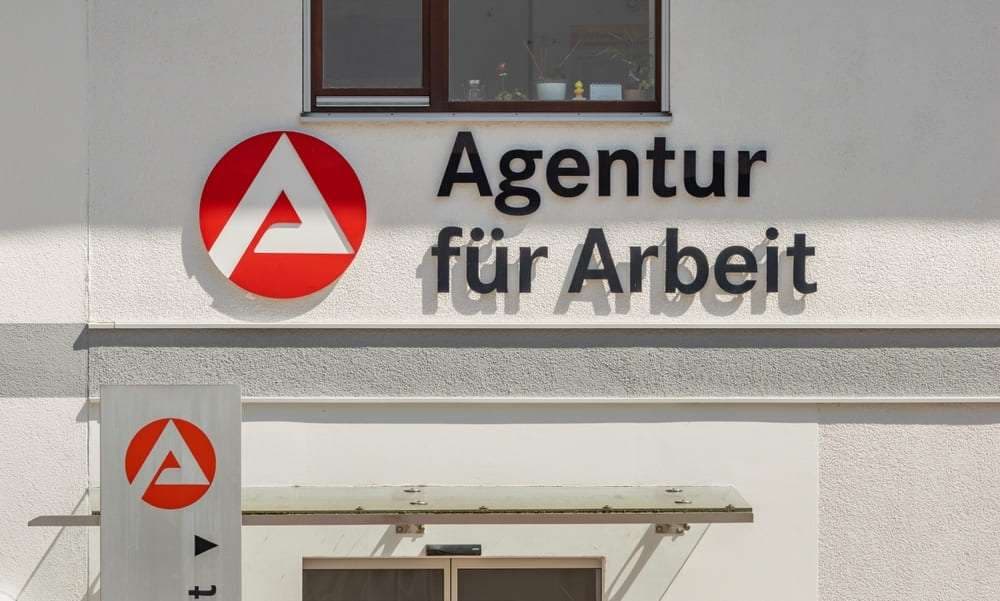
Germany's July Unemployment Spike Surprises Markets – Ripples Across Europe

Six-Week Raid of Foreign Capital: $1.6 Billion Inflow and Portfolio Rotation
Latest Market News
All News →Eurozone Inflation Shock Forces ECB to Rethink Rate Path

Crypto Treasuries Pivot to AI Infrastructure Funding

TAKİS System Live: Agricultural Risks Under Algorithmic Surveillance

Financing Secured for 20-Year Vehicle Inspection Monopoly, Card Commissions Scrapped
![[GARFA] GARANTİ FAKTORİNG A.Ş.
İhraç Tavanına İlişkin Bildirim - Borçlanma Aracı İhrac Limiti Hakkında](/_next/image?url=%2Fuploads%2Fkap-default.png&w=3840&q=75)
[GARFA] GARANTİ FAKTORİNG A.Ş. İhraç Tavanına İlişkin Bildirim - Borçlanma Aracı İhrac Limiti Hakkında