
The Erosion of the Strait of Hormuz: How it Affects the Global Energy Corridor
Küresel enerji piyasaları, Hürmüz Boğazı'nda yaşanan gelişmeler nedeniyle yüksek bir gerilim altında. İran'ın Pekin büyükelçisi Abdolreza Rahmani Fazl

The global energy markets are under high tension due to the developments in the Strait of Hormuz. Iran's ambassador to Beijing, Abdolreza Rahmani Fazli, announced that the strait will remain open to China and friendly countries with a special transit fee, making it a matter of national security. This move has sparked concerns about the potential disruption of global energy supplies and the impact on the global economy. The Strait of Hormuz is a critical waterway that connects the Persian Gulf to the Arabian Sea, and it is a major transit route for oil exports from the Middle East. Any disruption to the strait could have significant consequences for the global energy market. The United Arab Emirates has accelerated its plan to double the capacity of its oil pipeline bypassing the strait by 2027, while the European Union is exploring new pipeline options. Iraq and Gulf countries have also started to export oil and industrial products through Syrian ports, bypassing the strait. The situation in the Strait of Hormuz is closely linked to the global energy market and the economy. The erosion of the strait's stability could have far-reaching consequences for the global energy supply chain. The impact of the Strait of Hormuz's erosion on the global energy market is a complex issue that requires careful analysis. The potential disruption of oil exports from the Middle East could lead to a significant increase in oil prices, which could have a ripple effect on the global economy. The situation in the Strait of Hormuz is a reminder of the importance of maintaining stability and security in critical waterways and the need for cooperation among nations to ensure the free flow of energy supplies. The erosion of the Strait of Hormuz's stability is a wake-up call for the global community to take action to prevent a potential crisis. The situation requires a coordinated response from nations and international organizations to address the underlying issues and ensure the stability of the global energy market. In conclusion, the erosion of the Strait of Hormuz's stability is a complex issue that requires careful analysis and a coordinated response from the global community. The potential disruption of oil exports from the Middle East could have significant consequences for the global energy market and the economy. It is essential to maintain stability and security in critical waterways and to ensure the free flow of energy supplies to prevent a potential crisis.
Related News & Analysis
View All →
Borsa Istanbul: 25 Companies Set to Boost Liquidity with Paid Capital Increases

Gold Surges 3-Week Momentum, Shakes Dollar
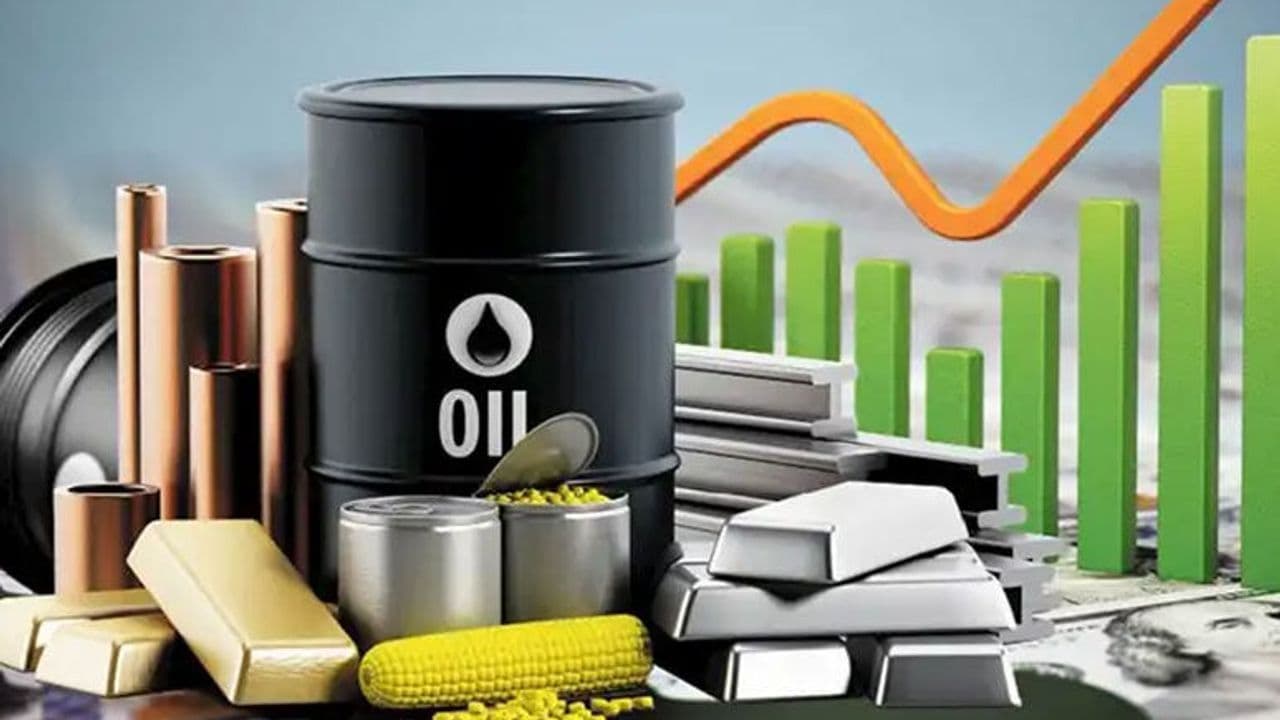
Global Liquidity Boost and Supply Bottlenecks Spark Multi-Commodity Rally

Moscow Threatens Kyiv with Economic Retaliation: Sensitive Sectors in the Crosshairs

New Era in US-Canada Trade War: Trump’s Radical "Statehood" Rhetoric and 50% Tariff Shock

Fenerbahçe's Star-Studded Victory: HFT Expert Tracks Smart Money's Trail
Latest Market News
All News →
North Sea Oil: Trump’s Symbolic Legacy and the UK’s New Prime Minister’s Dilemma

TR 484 Billion Savings in Two Years: Treasury’s Budget‑Shocking Maneuvers
Borsa Istanbul: 25 Companies Set to Boost Liquidity with Paid Capital Increases

Turkey's 2024‑2025 Budget Savings: Shock Cut of 484 Billion Lira Across Six Ministries

India's Russian Oil Surge: A New Wave for Economy and Markets
