
Turkey’s July Exports Hit Record $25.6 Billion: Signals of Macroeconomic Rebalancing
Türkiye'nin dış ticaret dengesinde kritik bir eşik daha aşılırken, Ticaret Bakanı **Ömer Bolat** tarafından açıklanan Temmuz ayı ihracat verileri, mak
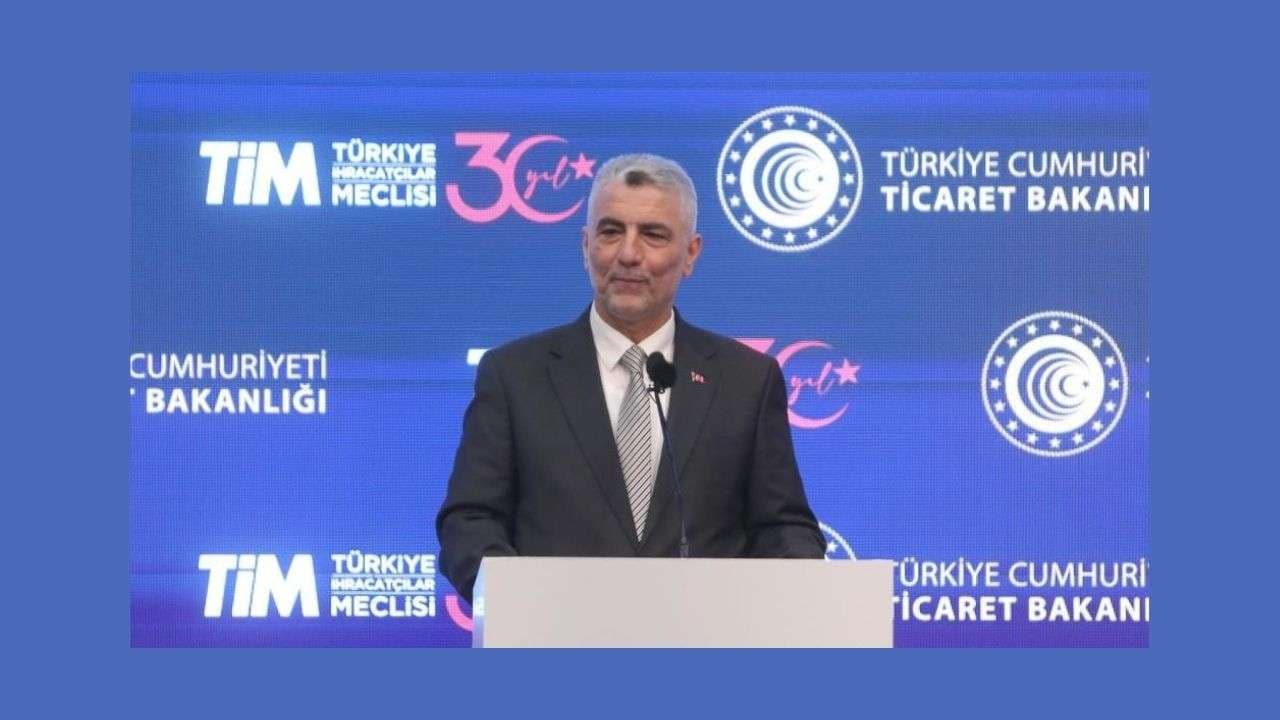
In a significant milestone for Turkey's external trade balance, Trade Minister Ömer Bolat announced that July exports reached an all-time high, marking a critical step in the country's macroeconomic rebalancing process. Despite stagnant global demand and a slowdown in Europe—Turkey's primary export market—this performance underscores the flexibility and market diversification capabilities of Turkish exporters.
External Trade Resilience Amid Global Slowdown
The historic peak recorded in July brings not only nominal growth but also a narrowing gap between imports and exports. This trend directly alleviates pressure on the current account deficit, historically one of Turkey's primary macroeconomic vulnerabilities.
Exporters Caught Between Currency Pressure and Competitiveness
Despite the record-breaking export figures, domestic exporters continue to face margin pressures due to high inflation and a relatively stable foreign exchange rate environment (real appreciation of the Lira). While industrial firms strive to maintain their market share globally, they must simultaneously manage rising labor and energy costs. Consequently, this dynamic may lead to a slight compression in operational profitability (EBITDA margins) in upcoming financial disclosures, despite robust top-line revenue growth.
This record-breaking export performance on the macroeconomic front has direct implications for the cash flow profiles of listed companies at the micro level. In particular, industrial giants with high foreign currency revenues, low leverage, and robust free cash flow generation will continue to form the backbone of high-dividend-yield portfolios in the coming period. I recommend that investors closely monitor export-oriented companies that manage to diversify their markets despite high domestic cost pressures and maintain a net-long FX position. Exporting firms that actively run share buyback programs and preserve strong cash positions stand out as safe havens during this transitional phase. -- Aylin Güneş
Related News & Analysis
View All →
Beijing's Nuclear Leap: Targeting 110 GW Capacity by 2030
Eurozone Manufacturing PMI Hits Three‑Month High: Growth Signals and Risks

July in Istanbul Stock Market: Weak Index, Rising Stars – OZATD, PASEU Lead Gains

TurkStream Shipments Contract: Europe's Energy Security Under Strain
July Producer Prices Jump 1.52% Amplifying Inflationary Pressure

28-Month Manufacturing Contraction Pressurizes Turkey's Credit and Growth Landscape
Latest Market News
All News →
DOF Robotics' Global Vision: Strategic Transformation Combining ESG and High-Tech

Diplomatic Chill: Trump‑Iran Talks Cool European Gas Prices, Shift in Energy Markets

Turkey’s Culinary Tourism Boosts Food Spending to $5.9 Billion, Up 9% YoY
Turkish Fuel Prices Surge on 3 August 2026 Amid VAT Hike
![[KARCL] KARDEMİR ÇELİK SANAYİ A.Ş.
Şirket Genel Bilgi Formu - Şirket Genel Bilgi Formu](/_next/image?url=%2Fuploads%2Fkap-default.png&w=3840&q=75)
[KARCL] KARDEMİR ÇELİK SANAYİ A.Ş. Şirket Genel Bilgi Formu - Şirket Genel Bilgi Formu