
The Silent Erosion of Profits: Navigating Chargebacks in Freight Factoring
Lojistik sektöründe işletmelerin çalışma sermayesini (working capital) serbest bırakmak için faturaları nakde çevirmesini sağlayan faktoring, nakit ak
In the logistics sector, factoring serves as a critical lifeline for unlocking working capital by converting invoices into fast payments; however, if not managed with precision, the mechanism of chargebacks can silently dismantle profit margins and inflict severe damage on business stability when broker payments falter.
The Double-Edged Risk of Freight Factoring
The factoring process relies on trucking companies submitting invoices and delivery documents to receive an advance on the invoice value. Yet, the system is not foolproof. If a broker fails to pay within the agreed timeframe, the factor may issue a chargeback, requiring the carrier to repay the advance, often accompanied by a processing fee.
Dissecting the $3,000 Cash Flow Scenario
To understand how a single unpaid invoice can derail cash flow, consider a real-world breakdown of a $3,000 load. With a 96% advance rate, you receive $2,880 upfront, while 4% ($120) is held in reserve. If the transaction proceeds smoothly, you net $2,910 after a 3% ($90) fee. However, the equation shifts dramatically if the broker defaults:
From the perspective of Dr. Yaman Ege, analyzing global supply chains reveals that liquidity friction is a universal threat. Just as a delay in rare earth element shipments can halt semiconductor fabrication, a financial bottleneck in trucking factoring disrupts the broader logistics ecosystem. Relying on a payment structure where a carrier's liquidity is held hostage by a broker's solvency creates systemic inefficiency. Factoring partners must evolve beyond mere financing to become robust risk managers, shielding the supply chain from the cascading effects of payment defaults and documentation disputes.
Related News & Analysis
View All →
Amazon Alexa Gains Scam‑Detection AI: A New Era for Shopping Security
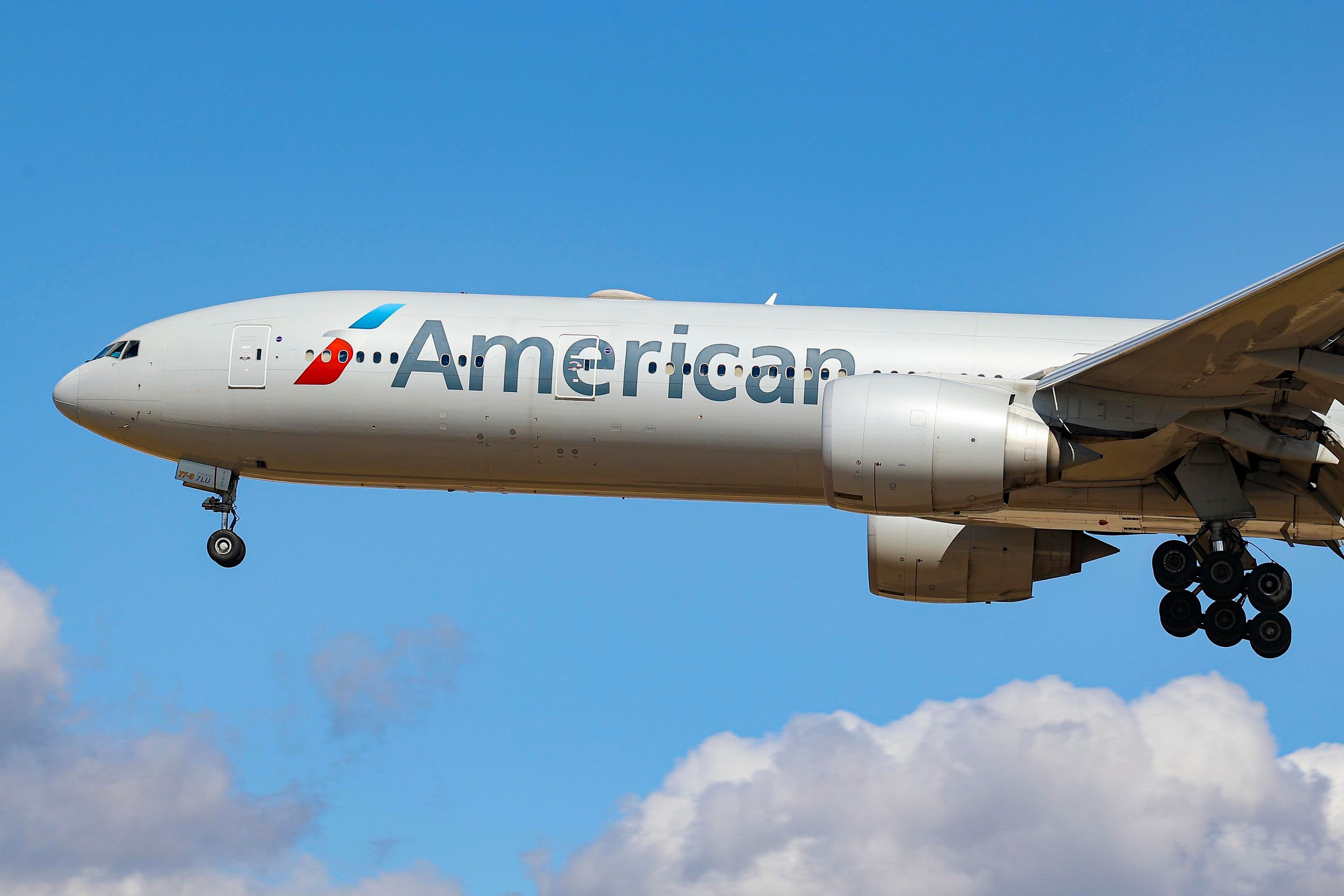
American Airlines 777’yi Yeniden Tasarladı: 70 Lüks Süit, Yüksek Hızlı İnternet ile Havayolu Rekabeti Yeniden Şekillendiriyor

After-Hours Surge: Dell, MongoDB, and GitLab Spark Record Swings

Adobe Acquires Indian Market Intelligence Startup Rilo, Expanding Global Data Reach

Kroenke Amasses 2.7 Million-Acre Land Portfolio, Becoming the World’s Largest Private Landowner

Uber Slashes 10% Workforce: Management Layers and Remote Work Policy Overhauled
Latest Market News
All News →![[GUBRF] GÜBRE FABRİKALARI T.A.Ş.
Kar Payı Dağıtım İşlemlerine İlişkin Bildirim - Kar Payı Dağıtımına İlişkin Yönetim Kurulu Teklifi](/_next/image?url=%2Fuploads%2Fkap-default.png&w=3840&q=75)
[GUBRF] GÜBRE FABRİKALARI T.A.Ş. Kar Payı Dağıtım İşlemlerine İlişkin Bildirim - Kar Payı Dağıtımına İlişkin Yönetim Kurulu Teklifi
[BLS, BLSMD] BULLS YATIRIM MENKUL DEĞERLER A.Ş. Pay Alım Teklifi Yoluyla Pay Toplanmasına İlişkin Bildirim / TGSAS - Pay Alım Teklifi Yoluyla Pay Toplanmasına İlişkin Bildirim
[FIN, QNBTR] QNB BANK A.Ş. İhraç Belgesi - QNB Bank A.Ş. İhraç Belgesi
[FIN, QNBTR] QNB BANK A.Ş. İhraç Tavanına İlişkin Bildirim - İhraç Tavanına İlişkin Bildirim (SPK Tarafından Onaylanan)
[GUBRF] GÜBRE FABRİKALARI T.A.Ş. Genel Kurul İşlemlerine İlişkin Bildirim - Olağanüstü Genel Kurul Toplantısı Daveti