
New Front in US-China Trade War: Blockade on Robotic Exports
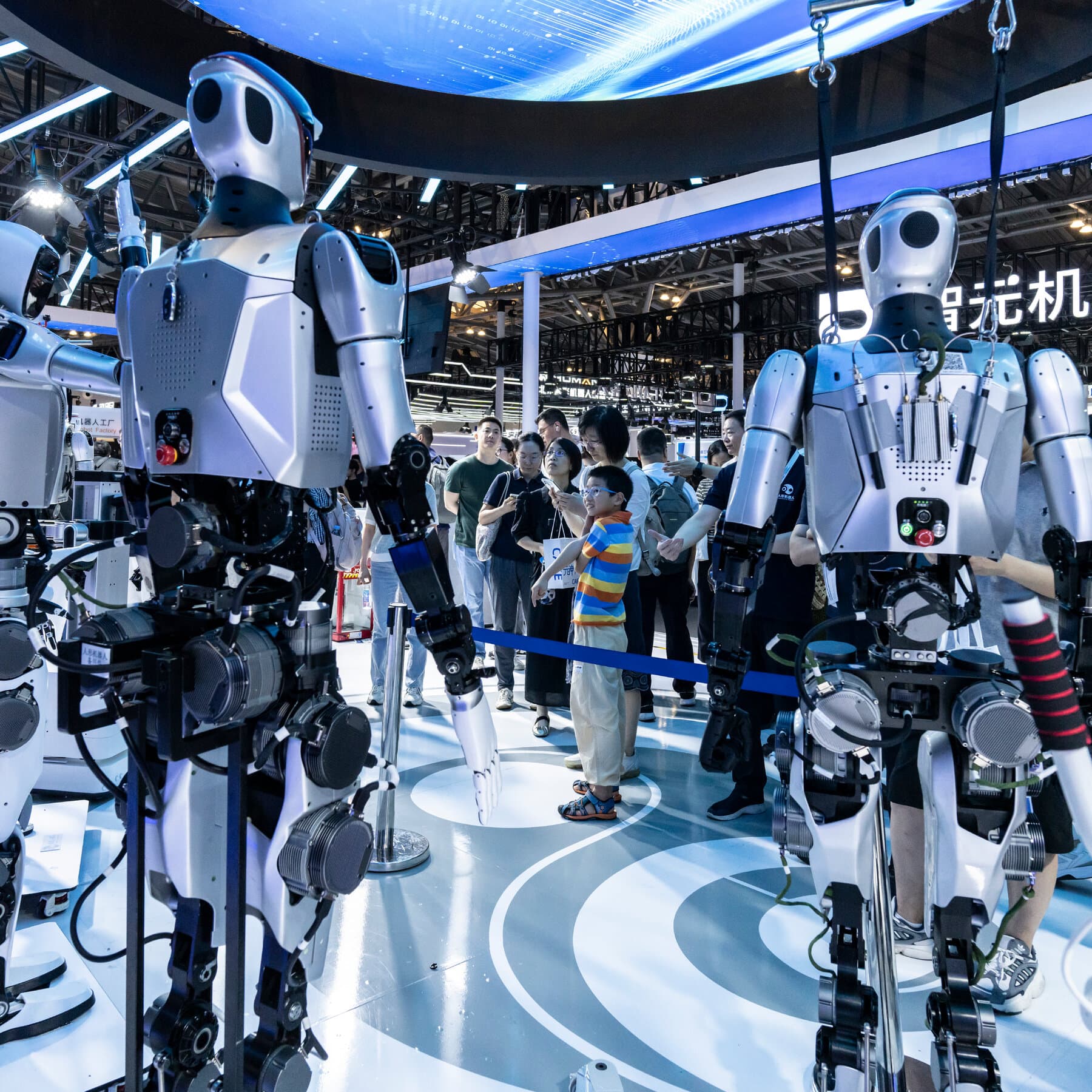
As the center of gravity in the ongoing tech war shifts from semiconductors to strategic robotic systems, Washington's move to restrict robot imports creates a new fracture point in global supply chains. This maneuver underscores that the industrial rivalry between superpowers is not confined to chips but is now heavily focused on the automation of production itself.
Battle Beyond Silicon: The Automation Frontier
The latest decisions by administrations confirm that the robotics sector has become one of the most critical arenas in the global economic struggle. At the center of these restrictions lies not just hardware, but also software and artificial intelligence algorithms.
Supply Chain Fragmentation and Logistics Costs
Such trade restrictions bring about operational changes that directly impact the air cargo sector. Robotic components are high-value-added products that are typically transported via air freight.
From the perspective of aviation logistics and cargo analysis, trade blockades in robotic technologies severely test "air bridge" capacities. The transport of high-tech robotic components typically forms the most profitable segments for cargo aircraft. This new obstacle between the U.S. and China forces cargo airlines to redesign their loads and potentially leads to capacity bottlenecks on Asia-Pacific routes. This situation increases the risk of volatility in air freight rates in the coming quarter.