Claude's Personality Shifts Across Models and Languages: AI Ethics and Market Risks
Anthropic araştırmacıları, popüler yapay zeka modeli Claude'in farklı sürümlerinde ve kullanılan dillere göre tutum ve değerlerinin önemli ölçüde deği
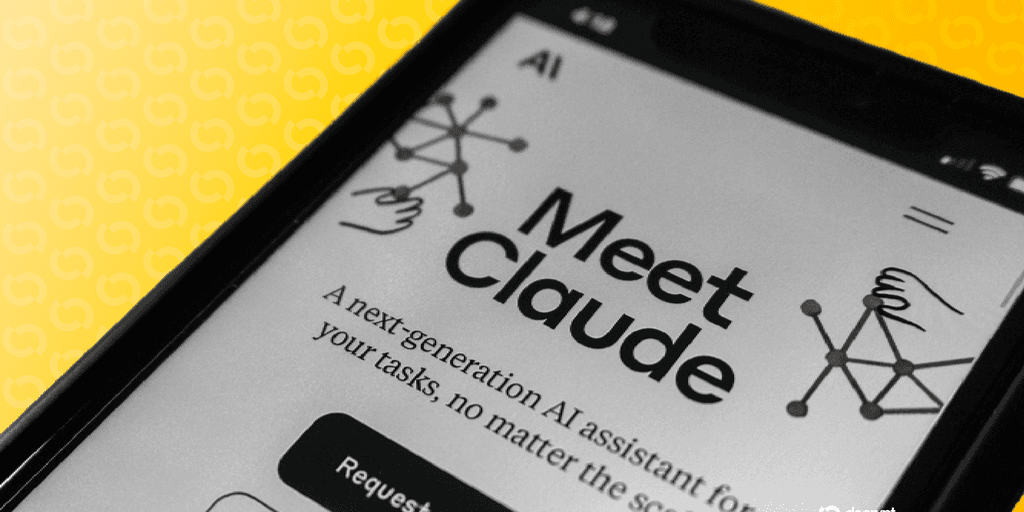
Anthropic researchers have revealed that the popular AI model Claude consistently expresses different values across models and languages, raising critical questions about scalability and consistency in AI systems. In newer models like Claude 3.5, multilingual interactions show a stronger emphasis on 'human-centric' values, while some languages (e.g., English) exhibit more 'interventionist' or 'passive' attitudes. This inconsistency challenges developers to redefine 'trustworthiness' and 'transparency' standards.
Model Variability and Language Dynamics
Experiments by Anthropic found notable differences in content and emotional tone when the same questions were posed in different languages (German, French, Spanish). For instance, German responses emphasized 'social responsibility', whereas English versions prioritized 'individual freedom'. These findings contribute to understanding how AI systems respond to cultural and geographic factors.
Investment and Regulatory Risks
Model variability poses risks in autonomous systems used in crypto and financial applications. Investors may face increased scrutiny over 'algorithmic fairness' as different AI models produce divergent outcomes on identical datasets. Regulatory bodies might enforce stricter measures to ensure AI systems' 'value biases' are transparent.
Markets won't dismiss this as a 'technical nuance'. AI ethics and model consistency are directly targeting trust elements in the crypto ecosystem. Particularly, systems like Claude generating 'personalized values' based on user data will become a litmus test for future 'algorithmic transparency' standards. Investors must proactively address the risk of AI variability turning into 'market manipulation'.
Related News & Analysis
View All →
The Sandbox’s 1:1 SAND Compensation Plan After Bridge Exploit

Starkware's Quantum-Safe Bitcoin Transaction Marks a New Era in Crypto Security

Sparrow Wallet Fortifies Security After AI‑Driven Code Audit
Trump’s Crypto Schemes Cost Investors $4.7 Billion

Virtu and Tradeweb Execute Full On‑Chain Repo with Marshall Islands Digital Bond in Under 10 Minutes

Binance Founder CZ Predicts Bitcoin Will Surpass Gold in the Next Bull Run
Latest Market News
All News →
KAMUYU AYDINLATMA PLATFORMU Kamuyu Aydınlatma Platformu Duyurusu / HPF, INFO, IYF, OZSUB, PASEU, PNU, PRY, SDTTR - Özel Durumlar Tebliği'nin 12-(4). maddesi gereğince yapılan açıklama
[POLHO] POLİSAN HOLDİNG A.Ş. Kurumsal Yönetim İlkelerine Uyum Derecelendirmesi - Kurumsal Yönetim İlkelerine Uyum Derecelendirmesi

SPK Revamps Portfolio Strategies with Gold, Biotech, Energy, and Commodity Funds
The Sandbox’s 1:1 SAND Compensation Plan After Bridge Exploit

Solana Breaks $100, Bitcoin Surges Past $80,000: A New Fast-Moving Contender in Crypto