
Economy
Deepening Cracks in Banking Sector Squeeze Turkish Lira Assets
724FinanceDr. Aslıhan Demir
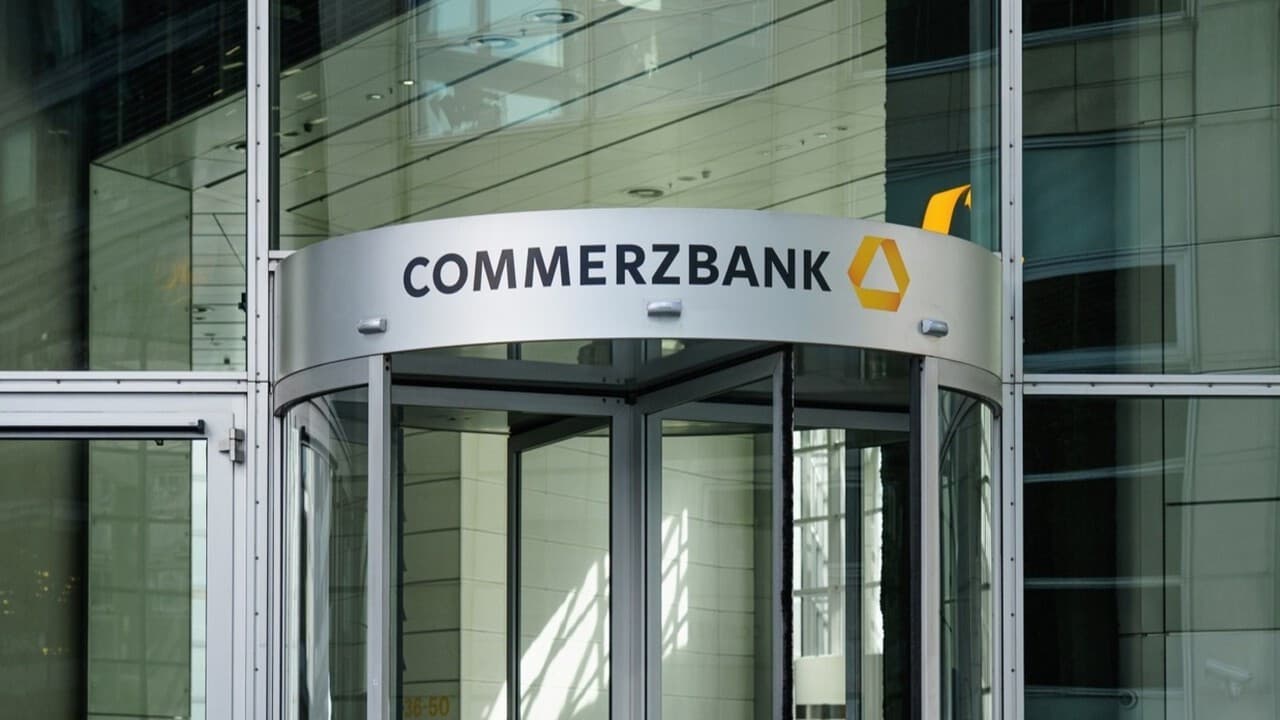
Commerzbank's latest report raises a red flag for the Turkish economy, warning that deteriorating financial indicators in the banking sector are amplifying downside risks for the Turkish Lira to dangerous levels. The report emphasizes that the weakening of the sector's profitability structure, following the removal of regulatory flexibilities, has created a critical monitoring area for financial stability and the currency outlook.
Capital Buffers Erode as Profitability Compresses
Citing data from Fitch Ratings, Commerzbank Economist Tatha Ghose notes an alarming deterioration in key banking metrics, stating that the end of privileges for forex-weighted assets has rattled balance sheets. These developments, which test the financial resilience of the sector, are highlighted by the following data:Sharp Rise in Dollarization Signals Trust Deficit
The fragility in the banking sector is not limited to balance sheets; the shift in deposit composition reveals a deepening crisis of confidence regarding the Lira's future. The flight of deposits into foreign currency acts as a factor intensifying the severity of external shocks on the Turkish economy:This structural deterioration in the banking sector represents not merely a corporate risk but a direct pressure on the monetary policy transmission mechanism. The compression of profitability and the rapid erosion of capital adequacy ratios may force banks to curb credit growth, potentially slowing economic activity and complicating the fight against inflation. The rise in dollarization clearly indicates that markets are questioning the credibility of the TCMB's policy stance; in this context, the critical importance of a 'hawkish' policy rate for financial stability is once again evident.