Economy

NATO's New Burden-Sharing: Turkey's Defense Strategy and Economic Impact

724FinanceDr. Aslıhan Demir
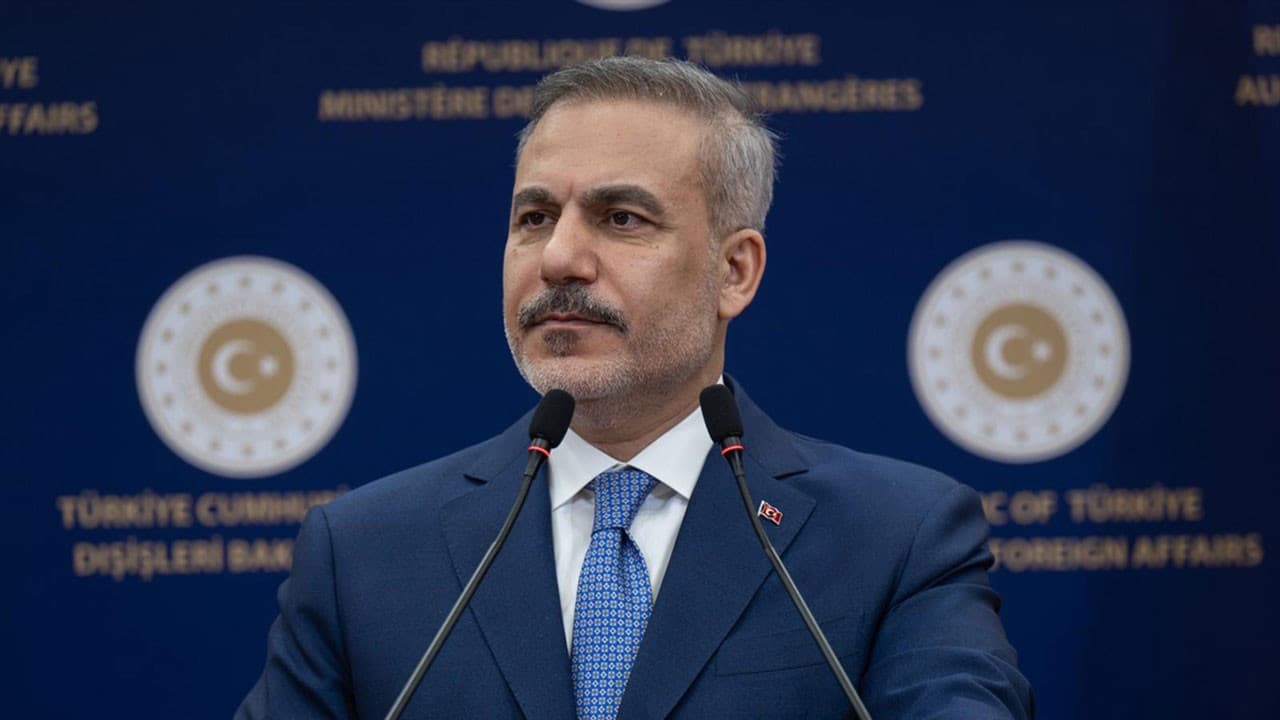
NATO's New Burden-Sharing: Turkey's Defense Strategy and Economic Impact

Following the U.S. complaint about bearing Europe's burden, Foreign Minister Hakan Fidan emphasized that NATO burden‑sharing discussions at the Ankara Summit have shifted from concept to concrete policy.

Anatomy of the New Burden-Sharing

  • NATO's long‑standing "I carry Europe's load" narrative was transformed at the 2026 Ankara Summit into the burden‑sharing principle now being put into practice.
  • The United States, responding to critiques over European security costs, aims to balance its commitments with $10 billion‑scale reciprocal financial pledges (per official statements).
  • Turkey redefined its security‑providing role while preserving transatlantic alliance credibility and avoiding overstretch of its domestic social safety net.
  • Defense Industry’s Evolving Role

  • The defense sector is now highlighted as a core component—just as vital as troops and armies.
  • Domestic champions such as ASELSAN, Roketsan, and TUSAŞ are slated for integration into NATO strategic documents.
  • Analysts forecast this integration will underpin an expected 5 % rise in defense spending.
  • Economic and Strategic Implications

  • Operationalizing burden sharing could trim the U.S. fiscal deficit by $15 billion while allowing European allies to maintain social outlays.
  • For Turkey, a $2 billion defense‑export potential would diversify exports and ease pressure on the current account.
  • NATO’s refreshed doctrine may strengthen transatlantic supply chains, encouraging investment in regional production facilities.
  • Dr. Aslıhan Demir: This shift in NATO’s burden‑sharing model should be read as a new equilibrium between fiscal discipline and defense‑spending efficiency; especially in emerging markets, technology transfer and export opportunities via the defense industry can bolster macro‑economic stability.
    Dr. Aslıhan Demir

    Financial Analyst: Dr. Aslıhan Demir

    Makroekonomi ve Para Politikaları Akademisyeni. FED (Federal Reserve) ve TCMB tutanaklarını satır satır okuyan, faiz kararlarının güvercin (dovish) veya şahin (hawkish) tonlarını analiz eden baş ekonomist.

    Disclaimer: The investment information, comments, and recommendations contained herein are not within the scope of investment advisory. Investment advisory services are provided individually by authorized institutions, taking into account the risk and return preferences of individuals. The comments and recommendations contained herein are general in nature. These recommendations may not be suitable for your financial situation and your risk and return preferences. Therefore, making an investment decision based solely on the information contained herein may not produce results that meet your expectations.

    © 2026 724Finance - All Rights Reserved.Original Source: Ekonomim.com