
Retail Consumption Trends: Strategic Move from A101 and Singer Addressing Household Economics
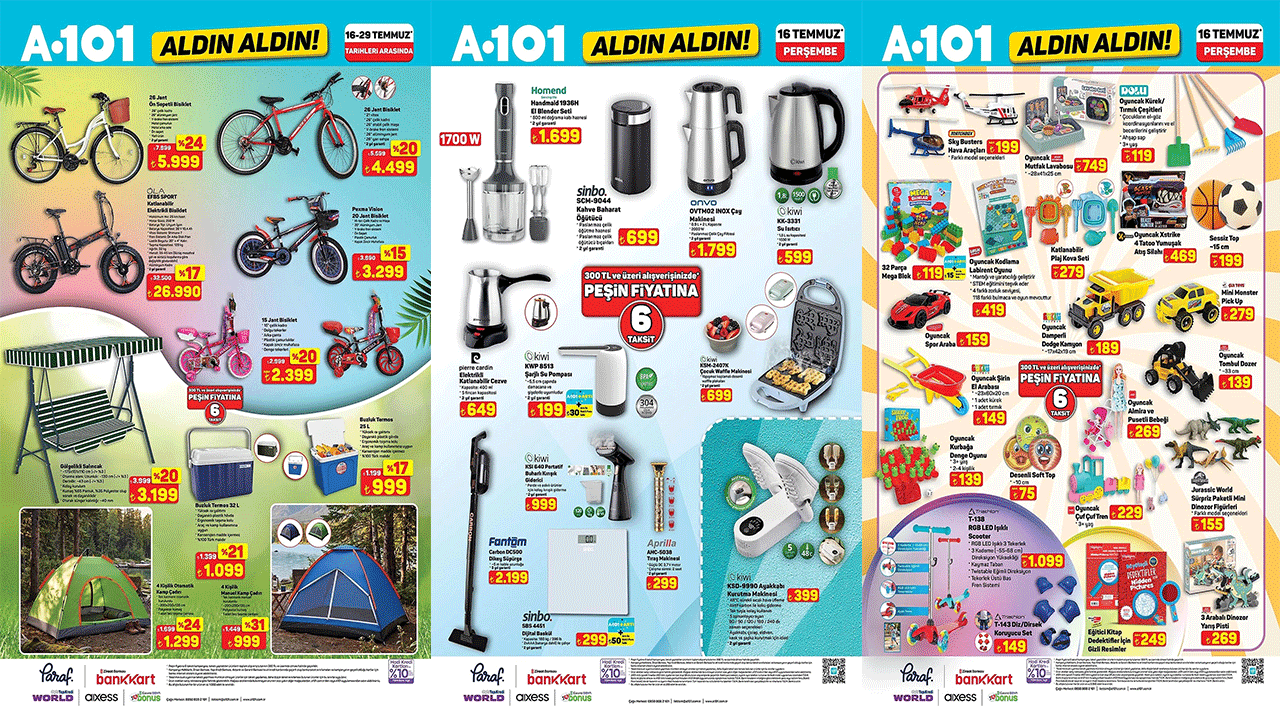
A101, one of the largest players in Turkey's organized retail sector, is capitalizing on the rise of the "Do It Yourself" (DIY) culture in household budgets through a strategic supply partnership with Singer. The Singer Overlocker Machine, which will hit shelves with limited stock as of July 16, stands out as a concrete indicator of consumer trends supporting home-based production and savings in a high-inflation environment.
The "Home Production" Economy and Consumer Behavior Under Inflationary Pressure
This move by organized retail chains in the non-food durable consumer goods category is directly linked to macroeconomic dynamics. In periods when individual disposable income is suppressed, consumers turn to home sewing and repair alternatives to cut down on ready-to-wear and textile expenditures.
Financial Dynamics of Supply Chain Management and Limited Stock Strategy
The limited stock (FOMO - Fear of Missing Out) strategy implemented by retail giants under weekly promotional campaigns is one of the most effective catalysts for increasing in-store traffic.
During periods when inflationary pressures squeeze household budgets, the "substitution effect" becomes a decisive factor in consumer behavior. While the rise in ready-to-wear prices drives consumers toward home production alternatives, the collaboration between A101 and Singer is the clearest reflection of this micro-economic transformation on the retail front. The expected slowdown in domestic demand due to the CBRT's tight monetary policy stance will keep the demand for such "cost-saving" durable consumer goods resilient. These opportunities, offered by retail giants utilizing their high-volume purchasing power, should be interpreted as micro-economic buffers strengthening the financial defense mechanisms of households.