
Turkey's Circular Economy Leap: DOA System Targets $600 Million Current Account Deficit Reduction
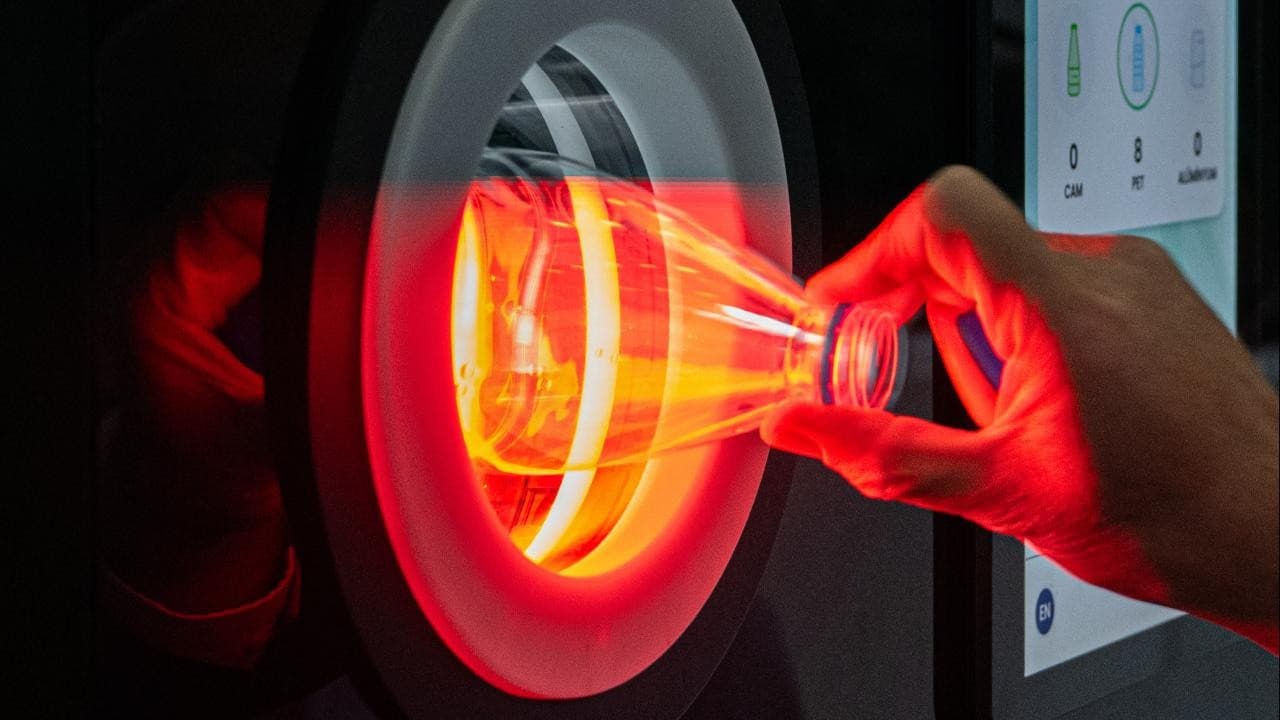
Turkey is launching a massive, digitally-driven recycling ecosystem designed to transform packaging waste into economic value and directly tackle the national current account deficit. The Depozitosu Olan Ambalajlar (DOA) system, which commenced on July 1, is positioned not merely as an environmental initiative, but as a strategic macroeconomic tool aimed at curbing raw material import dependency.
Digital Transformation: Local Retailers Become Recycling Hubs
To ensure nationwide penetration, traditional retail points are being converted into high-tech return centers. Managed by the Turkish Environmental Agency (TÜÇA), the process relies heavily on handheld terminals equipped with advanced digital verification capabilities.
HORECA Integration and Micro-Incentive Models
By integrating the Hotel, Restaurant, and Cafe (HORECA) sector, the scope of the circular economy is being significantly broadened. These businesses will contribute to the system's sustainability by earning a 20 cent incentive for every package collected.
Macroeconomic Objectives: $600 Million Current Account Relief
The financial implications of the project promise a direct positive impact on Turkey's trade balance. The economic projections for full-scale implementation include:
To facilitate this transition, a total incentive package of 10 billion TL is projected to be deployed over the next two-year adaptation period.
The DOA system represents Turkey's largest end-to-end digital resource management model. From a fintech perspective, we are witnessing a massive 'cash-management' operation where millions of micro-payments (incentives) are instantly processed into digital wallets through real-time data flows. The success of this model will serve as a critical benchmark, not just for environmental sustainability, but for the penetration of digital payment systems and micro-financial tools into the most granular levels of the economy.