Bitcoin's New Governance Clash: DOG Mode vs Ordinals in the Battle for Blockchain Philosophy
Bitcoin ekosisteminin en dikkat çekici yeni gelişmelerinden biri, **DOG Mode** adlı alternatif istemci tarafından başlatılan bir yönetişim çatışması.

One of the most striking developments in the Bitcoin ecosystem is a governance conflict initiated by the alternative client DOG Mode. This client targets the default relay policies of Bitcoin Core and other node software, which determine how valid transactions are propagated across the network before miners include them in a block. Developer Leonidas, an advocate of the Ordinals protocol—enabling data storage on the blockchain—argues that Bitcoin should remain a neutral marketplace for block space, where any valid transaction is equally legitimate if fees are paid. In contrast, BIP-110 proposes tightening network rules to restrict such transactions, sparking accusations of censorship. While consensus rule changes are rare and seismic, DOG Mode challenges this by removing policy restrictions rather than altering core protocols. The proposal raises concerns about mempool fragmentation, where divergent node policies could disrupt transaction propagation and fee estimation. Additionally, centralized exchanges (CEX) saw their first volume increase in five months, with spot trading up 15.3% to $1.11T and RWA perpetual contracts hitting a record $311B. This shift highlights evolving tensions in Bitcoin's infrastructure and the broader crypto economy.
Related News & Analysis
View All →
OpenClaw 2.0: The Game-Changing Update Shaping Enterprise AI

Kalshi Imposes Lifetime Ban on Republican Politician Over Insider Betting
Bitcoin Breaks Through the Historical Wall: A New Bullish Surge Unveiled
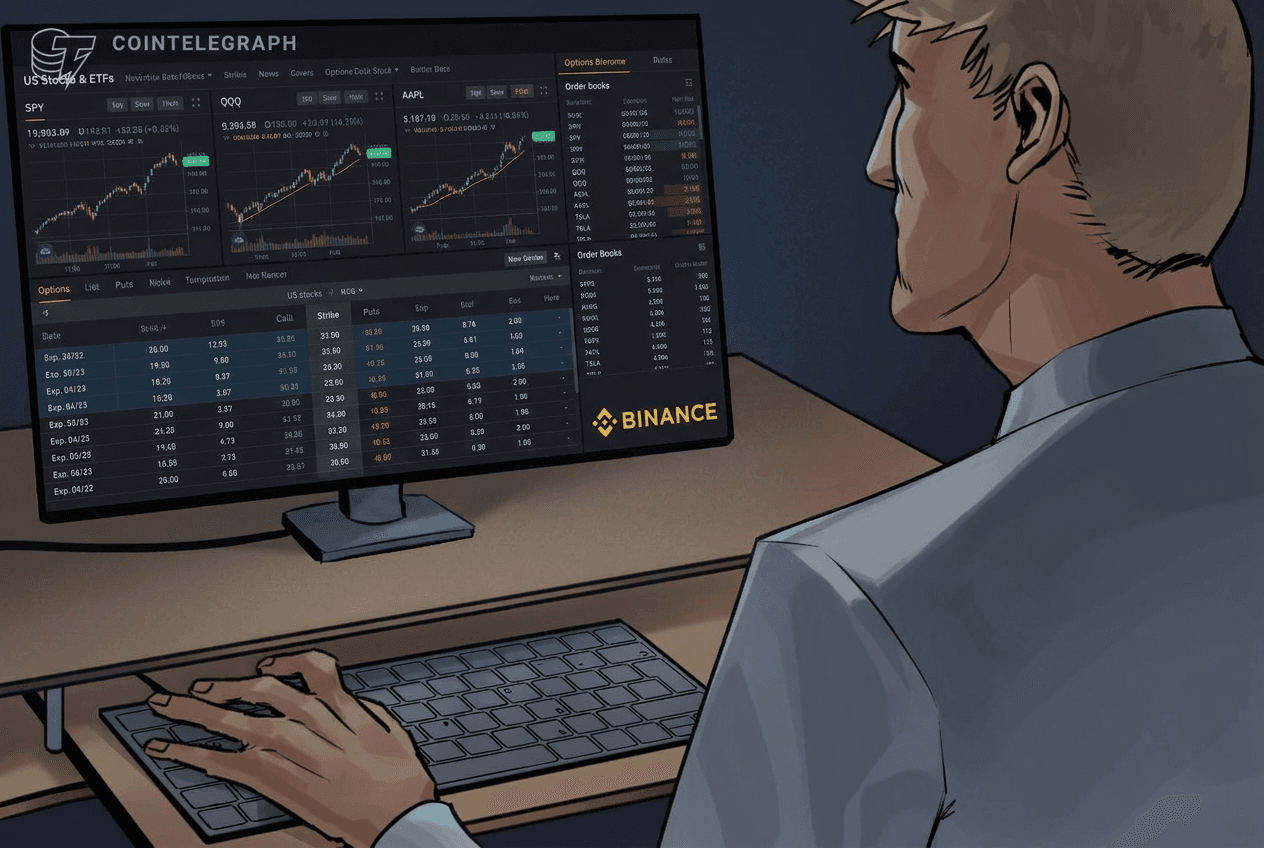
Binance's TradFi Push: 1,000 US Stock Options Shake Up Crypto-Broker Landscape

September's Dark Spell: Bitcoin and Wall Street’s Shared Curse

Bitcoin's Sensitivity to Currency and Rate Shocks: Assessing Japan's Yen Surge Risk
Latest Market News
All News →The Rise of Young Homeowners: Beyond Market Pricing
NYSE Opens Week with Decline: How Markets Reacted to the Drop

FCA Chief Nikhil Rathi Threatens Consumer Group Over £9.1 Billion Car‑Loan Scandal

Eurozone Inflation Surge: Energy Prices and ECB's Tightening Risks
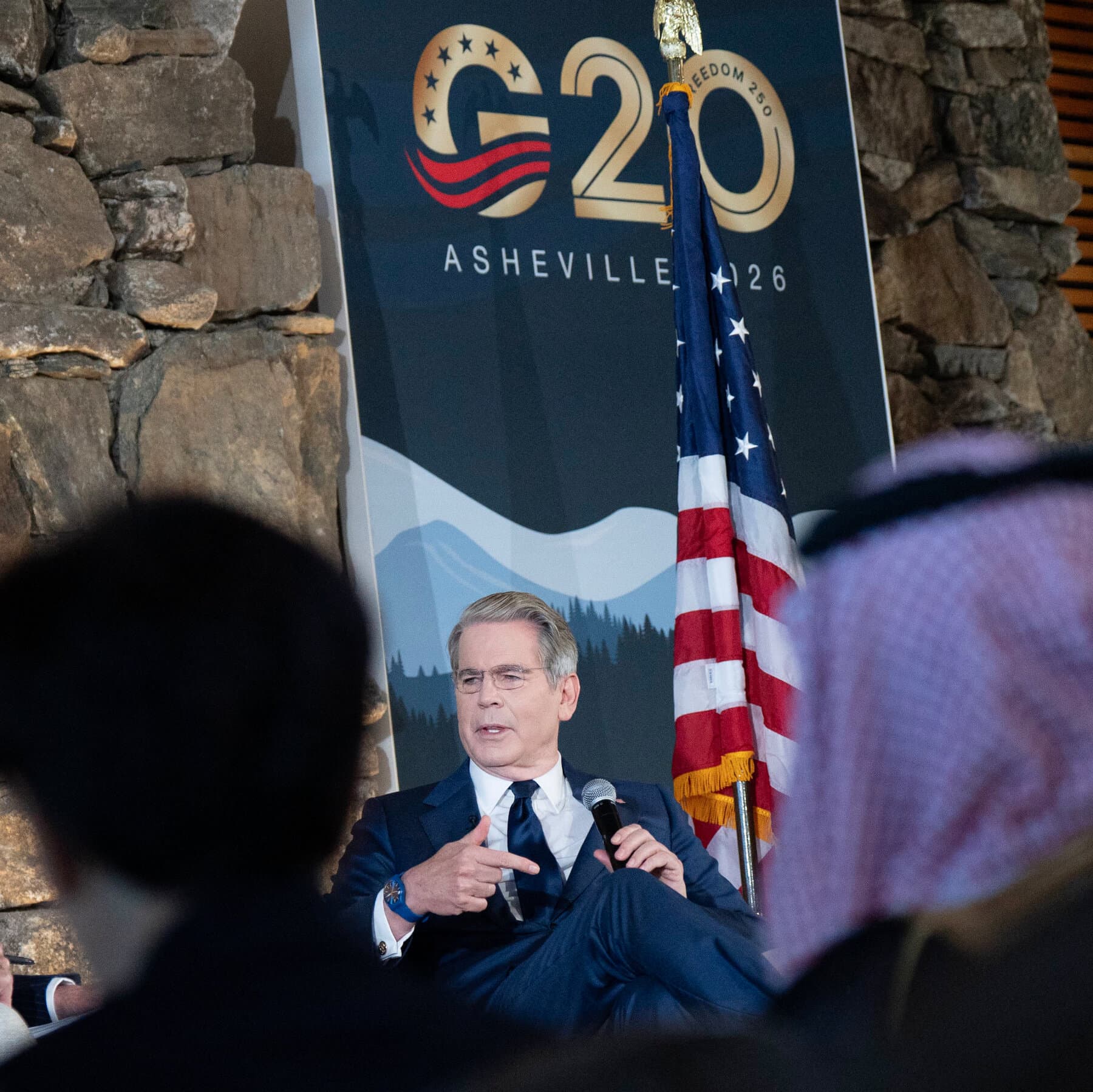
US Treasury Secretary Accuses China of Flooding Global Markets: Critical Signal for Chip Supply Chains and Rare Earth Wars