US Dollar Weakens on Cooling Inflation as Warsh and Oil Risks Take Center Stage
724FinanceUmut Kaan
Key Highlights
ABD doları, Haziran ayında beklentilerin altında kalan enflasyon verileriyle birlikte değer kaybederken, Federal Rezerv'in yıl sonuna doğru faiz indir

The US dollar retreated following lower-than-expected inflation data, reinforcing market expectations that the Federal Reserve will implement rate cuts before year-end. However, persistent geopolitical tensions in the Strait of Hormuz and the resilience of oil prices continue to sustain demand for safe-haven assets, fostering a cautious optimism across financial markets.
Cooling Inflation Reshapes Fed Rate Expectations
The US Consumer Price Index (CPI) rose 3.5% annually, falling short of the 3.8% market forecast and the previous month's 4.2% increase. On a monthly basis, consumer prices declined by 0.4%, significantly outperforming the 0.1% drop predicted by economists. In response, the U.S. Dollar Index shed 0.32% during afternoon trading.Warsh's Dual Mandate: Stability Meets Employment
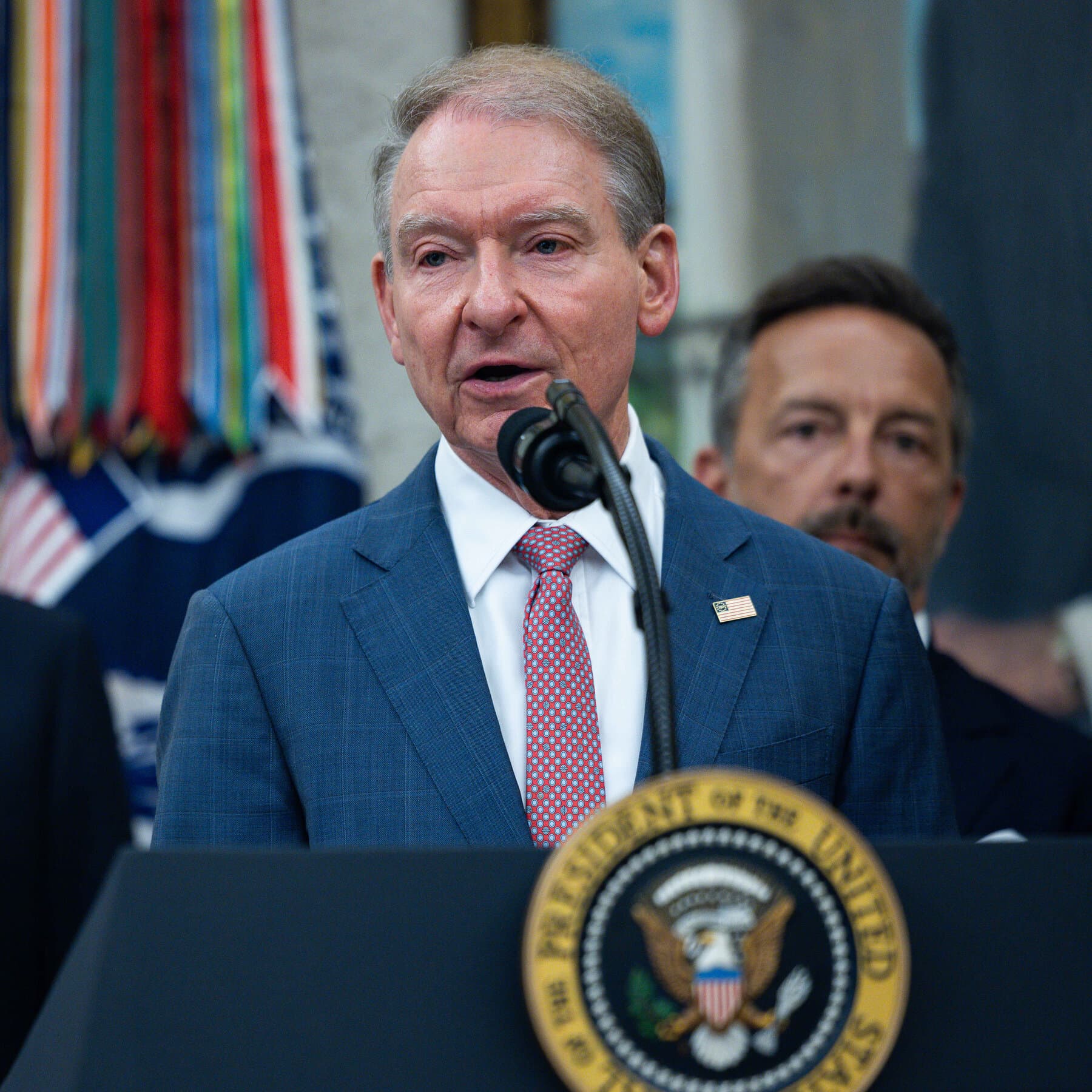
Federal Reserve Chair Kevin Warsh, in his inaugural testimony before the House Financial Services Committee, emphasized that the central bank would not prioritize one mandate over the other. Warsh stated that restoring price stability remains the paramount objective after years of elevated price pressures, declaring, "Price stability and maximum employment are not alternatives." He also expressed support for policies addressing unemployment disparities, highlighting that broad-based economic opportunity is indispensable for long-term growth.Geopolitical Tensions Ignite Oil and Trade Costs
While the temporary inflation relief was attributed to falling gasoline prices following a US-Iran ceasefire, the collapse of that truce and resurgent military conflicts threaten this stability. President Donald Trump announced the reinstatement of a naval blockade against Iranian shipping and a comprehensive 20% cargo tariff on commercial transit through the Strait of Hormuz.While markets are currently celebrating the slowdown in inflation data, they are largely ignoring the real risk emanating from the energy supply chain. Warsh's message is clear, yet the logistical cost shock from the Strait of Hormuz could reignite stagflationary pressures. The dollar's weakness is being counterbalanced by the sharp rise in oil prices, which could force the Fed to revise its rate cut timetable once again. Investors are currently facing a "good news is bad news" paradox; lower inflation brings rate cuts, but rising energy costs risk reawakening the inflation beast.
Related News & Analysis
View All →
BofA’s Pivot: End-Game of Index-Driven Won Sales

South African Rand Climbs Despite Manufacturing Confidence Wanes – Market Dynamics Observed

Diplomatic Breakthrough Calms Bond Markets as ECB Tightening Path Remains Firm

Washington's Shadow Intervention: Decoding the 'Rate Check' Strategy

Why the Japanese Yen Is Crashing in 2026: Macro Forces at Play

India’s Foreign Exchange Reserves Hit Record: $682.3 Billion and Rupee Support Measures
Latest Market News
All News →![[RALYH] RAL YATIRIM HOLDİNG A.Ş.
Katılım Finansı İlkeleri Bilgi Formu - Katılım Finansı İlkeleri Bilgi Formu](/_next/image?url=%2Fuploads%2Fkap-default.png&w=3840&q=75)
[RALYH] RAL YATIRIM HOLDİNG A.Ş. Katılım Finansı İlkeleri Bilgi Formu - Katılım Finansı İlkeleri Bilgi Formu
[USAK] UŞAK SERAMİK SANAYİ A.Ş. Sürdürülebilirlik Raporu - TSRS Uyumlu 2025 Yılı Sürdürülebilirlik Raporu Hk
Fed Chair Powell Labels AI a Historic Economic Pivot
Georgieva Calls for Global Stablecoin Regulation: Market Meets Regulation

Pre‑Market Movers: PayPal, Affirm, Gap and Marvell Lead the Charge