
Regulatory Shift in Driver Licensing: Market Implications for Automotive and Driving School Sectors
Türkiye'de sürücü belgesi alma süreçlerini kökten değiştirecek yeni bir düzenleme, hem sürücü eğitimi sektörünü hem de dolaylı olarak otomotiv ekosist

A radical regulatory overhaul set to fundamentally transform driving license procurement in Turkey is poised to reshape both the driver training sector and, indirectly, the broader automotive ecosystem. The new regulation published by the Ministry of National Education abolishes the long-standing, rote-learning-based fixed track exam system, ushering in an era of evaluation under real-world traffic conditions.
Ending Rote Learning on the Road: The Free-Route Model
With the new directive, exam routes where candidates previously memorized specific maneuvers are now a thing of the past. The "free-route" application, determined dynamically by exam commissions, will measure candidates' genuine reflexes and decision-making mechanisms in active traffic.
The core pillars of this radical transformation include:
Cost Pressures on the Training Sector and Automotive Ecosystem
The tightening of the examination system has the potential to impact not only candidates but also driving schools—which operate as commercial enterprises—and, by extension, the automotive market. Prolonged training periods and deeper curricula are likely to drive up operational costs across the sector.
While this driving education reform appears to be a mere public safety initiative at first glance, it carries direct economic implications for the automotive and mobility ecosystem. The heightened difficulty and associated costs of licensing may shrink the prospective buyer pool, particularly in the entry-level passenger vehicle segment. Conversely, the necessity for driving schools to modernize their training fleets with more fuel-efficient or electric vehicles (EVs) will stimulate temporary activity in the corporate fleet market. In the long run, elevated driving standards will mitigate risk costs, exerting downward pressure on insurance premiums.
Related News & Analysis
View All →
Türkiye'de Altın Fiyatları 29 Ağustos'ta Rekor Seviyelere Ulaştı

Tera’s 40 Million to 40 Billion TL Capital Leap: A Bold Move Against SPK’s New Threshold

Bank of America’s BIST 100 Picks: Tüpraş Leads Buys, Akbank Tops Sales

SPK Unveils New Fund Guidelines: 2029 Compliance Changes to Reinforce Investor Confidence
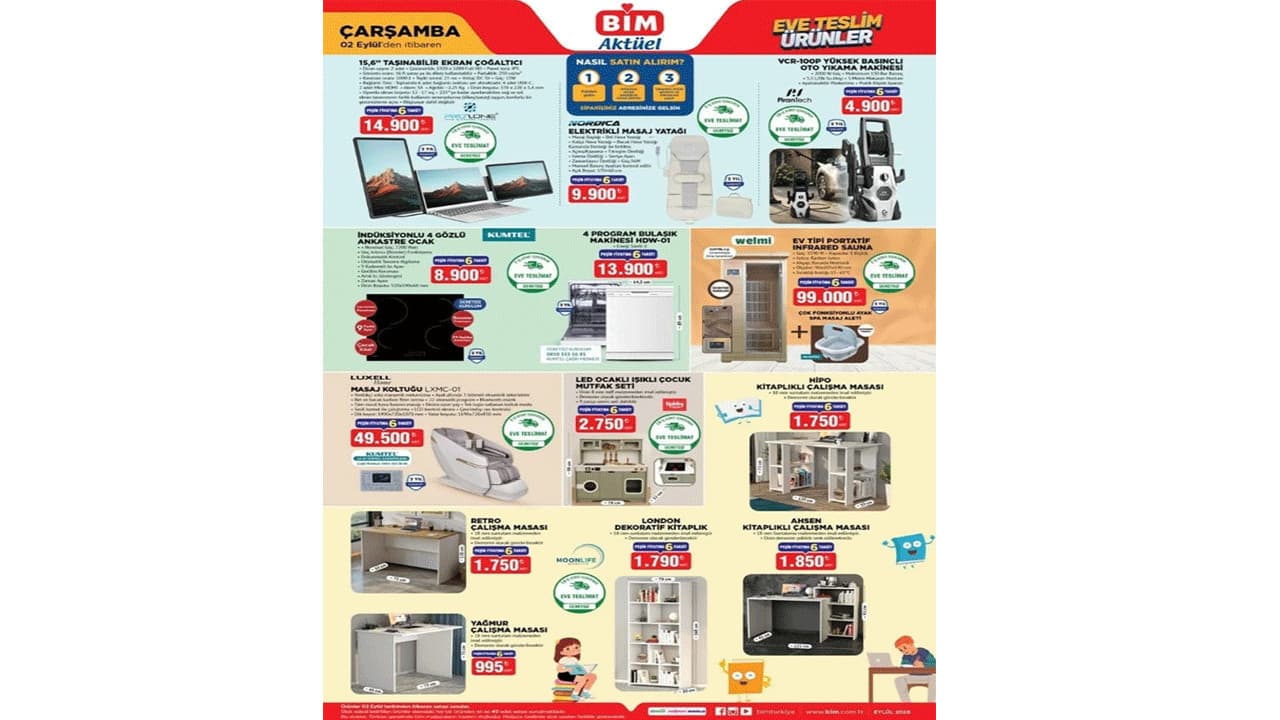
BİM Launches High-Pressure Car Wash Machine, Redefining Retail and Automotive Service Landscape

Intetra and Bakircı REIT Set Trading Launch Dates and Base Prices on BIST
Latest Market News
All News →
ADRA Real Estate Investment: A New Player in Market Dynamics

Washington's Historic Shift: U.S. Government Establishes Control Over World's 2nd Largest Oil Reserves
The Sovereignty Battle in Intergenerational Wealth: The $800,000 Roth IRA Dilemma

Federal Tech Procurement: ICE Explores Quadruped Robot Contracts

Capital Flow Transparency Under Scrutiny: Investigation Launched Into Unregistered Foreign Transfers
