The 5.2 Million Kilometer Barrier Broken: Durability Wars in the Auto Industry
Otomotiv endüstrisinde "ölümsüzlük" kavramı yeniden tanımlanıyor. Geleneksel olarak Japon üreticilerin tekel altında olduğu dayanıklılık algısı, **5.2
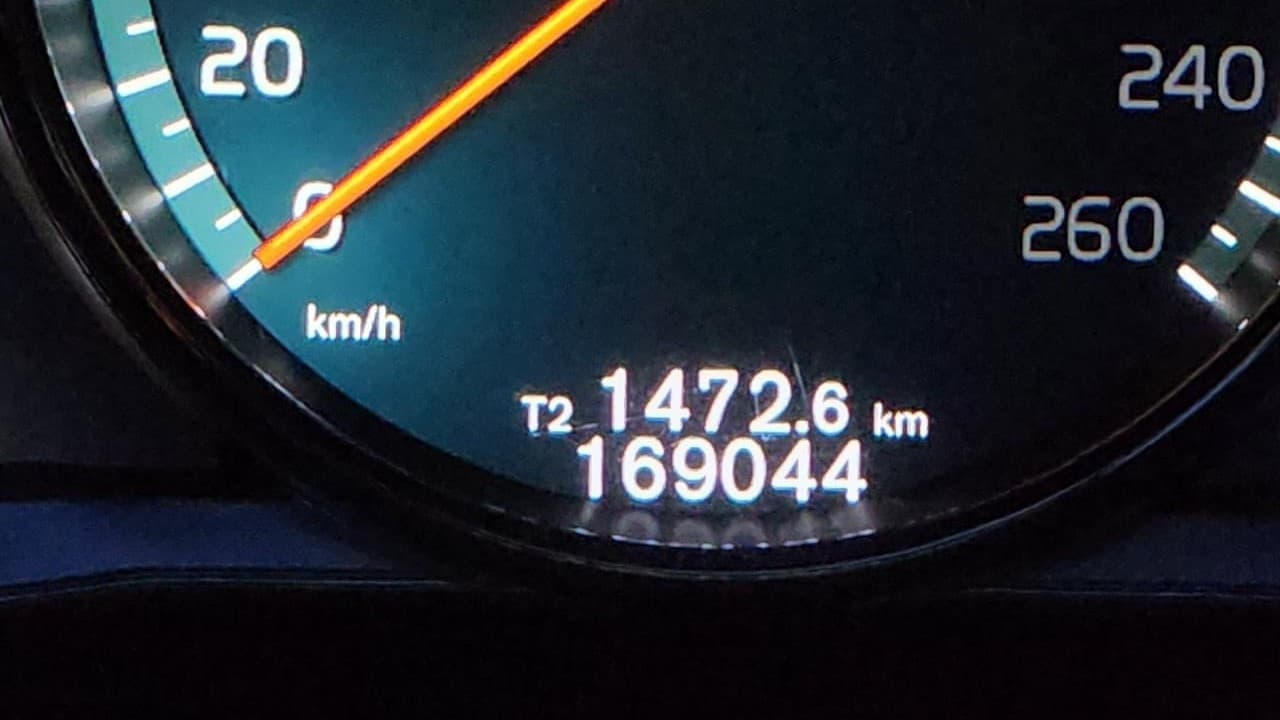
The concept of "immortality" in the automotive industry is being redefined. The traditional perception of durability, long dominated by Japanese manufacturers, is being shaken by a record reading of 5,230,000 kilometers. This situation represents not merely a feat of mechanical engineering but also sends deep economic signals regarding vehicle lifespan and second-hand market dynamics.
Legends Pushing the Limits of Engineering
The fact that the model at the peak has surpassed the 5.2 million kilometer barrier shows that the existing competition between European and Asian manufacturers has moved to a new dimension. The models on the list prove how resistant not only the engine block but also the chassis and transmission organs can be.
Analysis on Vehicle Lifespan and Ownership Costs
Vehicles capable of millions of kilometers are changing the "Total Cost of Ownership" (TCO) calculations for fleet leasing companies and logistics firms. Extending the economic life of a vehicle reduces depreciation costs while testing the sustainability of the spare parts and maintenance ecosystem. These "monster" vehicles demonstrate how consistent long-term investments can be.
Ufuk Tepe Analysis: These "million-mile" success stories in internal combustion engines (ICE) serve as a critical benchmark during the EV transition process. Battery technologies are still in the infancy stage regarding the 5 million kilometer lifespan target. Especially in commercial vehicle fleets, if battery replacement costs cannot compete with this high-mileage performance, ICE vehicles are not expected to be scrapped and will retain their value in the second-hand market. Automotive giants are compelled to bring the cycle life of battery cells closer to these mechanical legends.
Related News & Analysis
View All →
How High Interest Rates Are Freezing Turkey's Industry and Consumption
Amid Global Fluctuations, Discount at the Pump: Diesel Under 80 TL

Turkey’s Inflation Conundrum: Beyond Camouflage to Structural Faults
New Front in Retail War: BİM's White Goods Move and Trajectory of Consumer Prices

Top-earning University Majors in Turkey: Beyond Engineering, Unexpected High-Paying Fields
Retail Shifts in Electric Mobility: Supermarket Strategy for Vehicle Sales
Latest Market News
All News →
Disney+ Overhauls Strategy with User-Generated Content Integration

Spot Bitcoin ETFs Attract $382M Inflows as Cold Wallet Hack Rekindles Custody Debate
SpaceX Shares in Turbulent Waters: Diverging Target Prices

Trabzonspor's Mohamed Salah Move: A Strategic Play Impacting Stock and Brand Value
SpaceX’s AI Investments Shock Investors: Rapid Payback and a $100 Billion Goal