
Bank Indonesia Governor's Shock Resignation: Monetary Policy Uncertainty
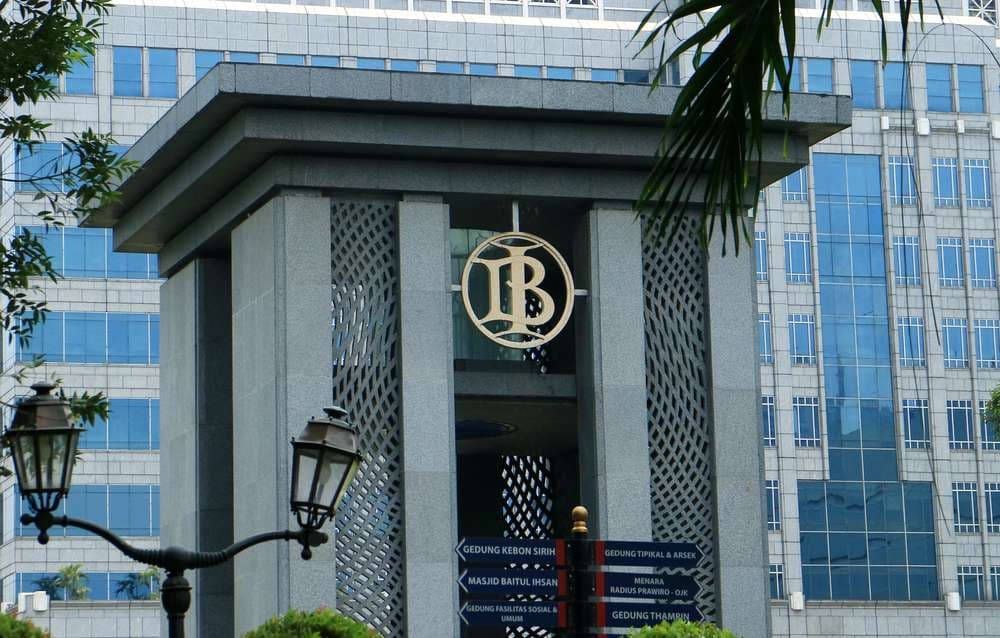
The unexpected resignation of Bank Indonesia (BI) Governor Perry Warjiyo, well before his term was set to expire, has sent shockwaves through Asian markets and emerging market assets. Warjiyo’s surprise decision, communicated to President Joko Widodo, has raised serious questions about the future of the central bank's inflation-fighting policies and monetary stability.
A Critical Juncture in Monetary Policy
Warjiyo caught market participants off guard with this abrupt decision, resigning nearly a year before his term was due. While the official reason cited was a desire to work on a broader mission, market commentators are strengthening the possibilities that political pressure or health issues might lie behind this move.
Investor Sentiment and Risk Premium
The independence of the Bank Indonesia was a key reference point for emerging markets. This resignation may shift investors' perspective on Indonesian assets from "low risk" to "strategic monitoring." In particular, a halt in foreign portfolio inflows and a rise in local bond yields stand out as an expected scenario.
From a technical perspective, the sudden volatility in the USD/IDR pair could lead to testing the upper limit of the Ichimoku Cloud. If we see a daily close above the 16,000 level, it reinforces the probability of a momentum acceleration towards the 1.618 Fibonacci extension level. Market makers are currently observing a contraction in liquidity pools; this situation could increase algorithmic selling pressure on the Rupiah in the short term.