Europe's Savings Apathy Ends: ING Report Highlights Investor Shift
Avrupa Merkez Bankası'nın (ECB) faiz politikalarının belirsizliğinde, Avrupalı hane halkları "altın yıllar" olarak bilinen dönemde biriktirilen nakit
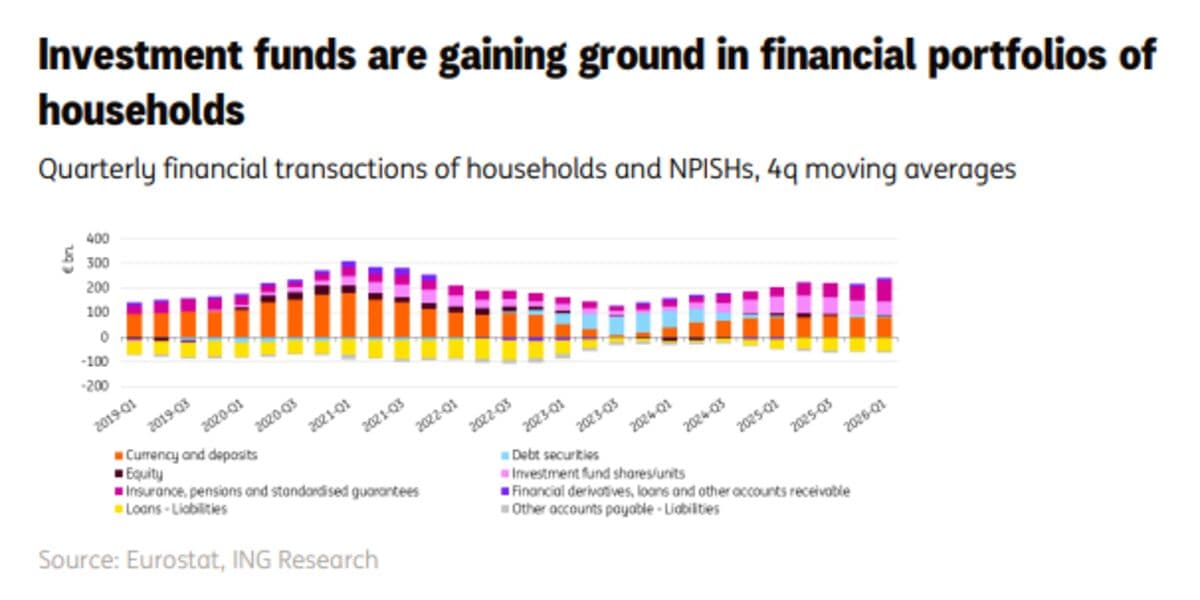
As the European Central Bank's (ECB) monetary policy navigates turbulent waters, European households have begun eroding cash assets accumulated during the "golden years" of saving. A recent report by ING reveals that savings balances are no longer stagnating in deposit accounts but are being channeled into asset classes such as equities and bonds. This transformation is altering not only bank balance sheets but also the trajectory of global capital flows, shaking the foundations of the financial architecture.
Portfolio Transformation in the Eurozone
The Shift of Capital to Risky Assets
The traditional "safe haven" perception has been shaken as yields are penalized by negative real interest rates. Investors are turning towards markets with growth potential despite volatility. This situation poses a risk that European banks might gradually lose their advantage of low-cost funding sources. This dynamic movement of capital increases liquidity in the markets while continuing to exert upward pressure on asset prices.
This capital mobility serves as a critical signal for freight markets. The entry of savings into the market may indicate an increase in consumer demand and consequently logistics volume. However, if this liquidity fuels inflationary pressures, aggressive rate hikes by central banks could abruptly dampen demand. The uncertainty this casts on the Baltic Dry Index (BDI) makes capacity management more critical than ever.
Related News & Analysis
View All →
ABC vs FCC: The Final Showdown Over Deregulation and the Future of Media Giants

Zillow and Redfin Reach FTC Settlement: A New Regulatory Chapter for PropTech

SEC’s Probe into AI Hedge Fund Near-Implosion: What It Means for Markets

U.S. Threatens Harsh Sanctions on Nations Tied to Iran

Zcash Hits Eight-Year High on Crypto Rally, ETF Prospects Ignite Market

Falling Crop Prices Squeeze Farmers: Land Investment Strategies Reshape the Sector
Latest Market News
All News →
MicroStrategy’s $2 Billion Capital Move: USD Cash Pot and Bitcoin Treasury
ABC vs FCC: The Final Showdown Over Deregulation and the Future of Media Giants
Zillow and Redfin Reach FTC Settlement: A New Regulatory Chapter for PropTech

Pakistan Forces Crypto Firms into September 5th Licensing Deadline: Unpacking the New Regime
SEC’s Probe into AI Hedge Fund Near-Implosion: What It Means for Markets