ESG Reporting Pressure and Internal Resilience: CSR Teams in Crisis in 2026
Corporate social responsibility (CSR) ekipleri, 2026 yılında önceki yıllara göre %66 oranında daha fazla iş etkisini ölçme talebinde bulduklarını orta
Corporate social responsibility (CSR) teams are experiencing a surge in pressure to measure their impact in 2026, with 66% reporting increased demands compared to the previous year, according to a survey by the Association of Corporate Citizenship Professionals (ACCP). Simultaneously, 63% of CSR professionals are facing heightened expectations to justify the business value of their initiatives to internal stakeholders. The study reveals that burnout rates have doubled to 64%, up from 39% in 2025, amid overlapping challenges such as legal compliance, artificial intelligence adoption, and ESG reporting mandates. ACCP notes that 66% of CSR departments underwent restructuring, including 27% with leadership changes, complicating long-term strategy execution. Integration with human resources rose to 42%, while 33% reported expanded legal oversight due to DEI litigation risks, executive orders, and stricter ESG scrutiny. Despite 83% of professionals noting greater internal visibility, 61% cited funding gaps for community work, and most operated on flat budgets. ACCP CEO Andrea Wood emphasized the need for CSR teams to defend their budgets, stating, 'Our members are finally seated at the table.'
Markets are at a pivotal juncture where ESG priorities intersect with operational resilience. Rising burnout rates among CSR teams could amplify labor costs and inefficiencies in sectors like shipping and energy, potentially driving up BDI Index fluctuations and freight expenses. Companies must reassess their ESG strategies to ensure alignment with workforce sustainability, particularly as global supply chains face heightened compliance costs and regulatory scrutiny.
Related News & Analysis
View All →
Caterpillar's AI Leap: Mining Automation Expertise Fuels Industrial Software Push

South West Water's Sewage Scandal and Bill Surge: A Dark Side of the Water Sector

Iran Sanctions: Operation Economic Outcast Auctions Dollar Access

A Phoenix Firm’s Quick Demise: From £3 Million Debt to Liquidation in Three Months

Bessent’s ‘D-Day’ Iran Sanctions Threat: Dubai Banks Stay Open, Flights Persist

UK Devolution: Cities Surge While Rural Areas Lag
Latest Market News
All News →Caterpillar's AI Leap: Mining Automation Expertise Fuels Industrial Software Push
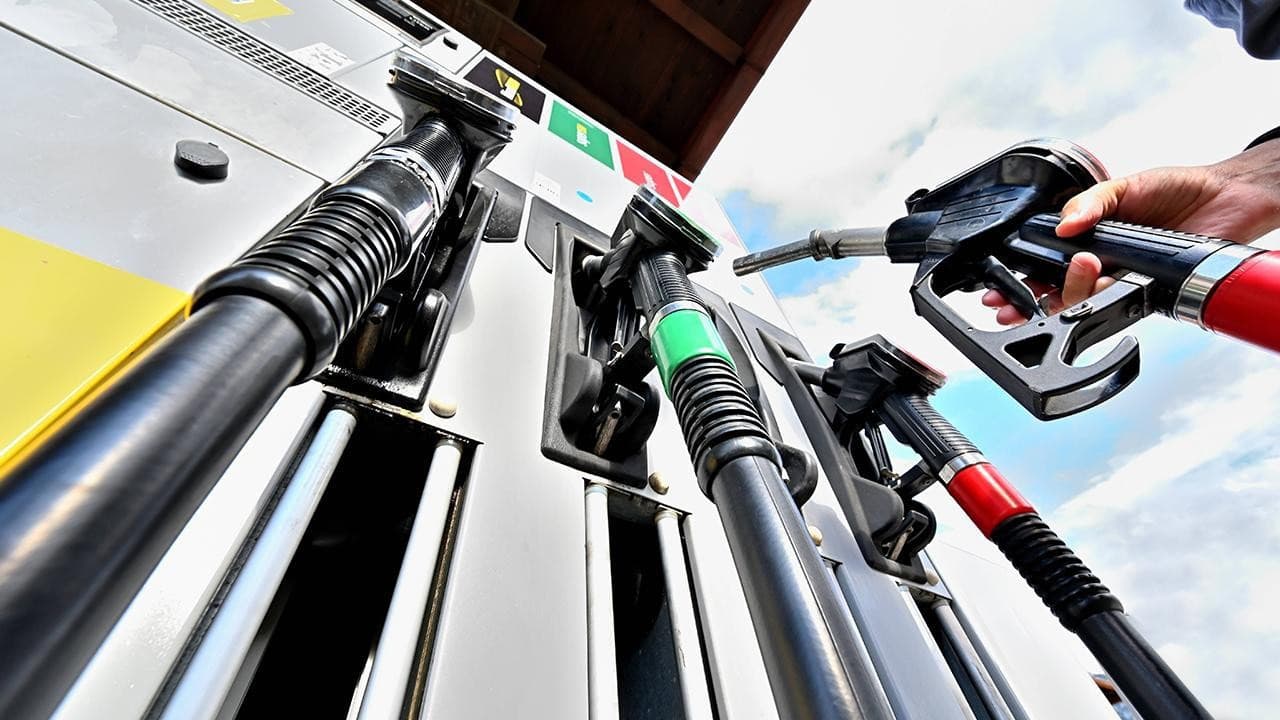
August 30, 2026 Fuel Prices: Current Gasoline and Diesel Rates in Istanbul, Ankara and Izmir

BİM's Shock Discounts: Grocery and Detergent Prices Hit Record Lows

Galatasaray Secures Rafael Leao: €38M Transfer Fee and €10M Salary
South West Water's Sewage Scandal and Bill Surge: A Dark Side of the Water Sector