BIST10014.514,82 0.82%Tarım Üreticilerinin Kâr Marjı Çöküşte: Maliyet Artışı ve Destek AçığıUSD/TRY48.3332 0.20%Kevin Warsh: Ekonomik Sıkıntıların Artmasıyla Yatırımcıları Sakinleştirmeye ÇalışıyorEUR/TRY56.2089 0.30%Zayıflayan Dolar, Arz Endişeleri Emtia Fiyatlarını YükselttiBTC/USD$77,708.18 0.77%Clear Eyes 40.000 Şişe Geri Çağırma: Alcon'un Piyasa ve Likidite RiskiGRAM ALTIN7.102,56 0.15%Waymo'nun Robotaksi Devrimi: Özel Çip Tasarımı Piyasa Dinamiklerini SarsıyorBRENT$94.39 0.00%Bakırcı GYO Halka Arzı: Türkiye Gayrimenkul Piyasasında Yeni DönemKarmetal'in Servant Robotları, Türkiye'nin Endüstri 5.0 Atılımını HedefliyorBIST10014.514,82 0.82%Tarım Üreticilerinin Kâr Marjı Çöküşte: Maliyet Artışı ve Destek AçığıUSD/TRY48.3332 0.20%Kevin Warsh: Ekonomik Sıkıntıların Artmasıyla Yatırımcıları Sakinleştirmeye ÇalışıyorEUR/TRY56.2089 0.30%Zayıflayan Dolar, Arz Endişeleri Emtia Fiyatlarını YükselttiBTC/USD$77,708.18 0.77%Clear Eyes 40.000 Şişe Geri Çağırma: Alcon'un Piyasa ve Likidite RiskiGRAM ALTIN7.102,56 0.15%Waymo'nun Robotaksi Devrimi: Özel Çip Tasarımı Piyasa Dinamiklerini SarsıyorBRENT$94.39 0.00%Bakırcı GYO Halka Arzı: Türkiye Gayrimenkul Piyasasında Yeni DönemKarmetal'in Servant Robotları, Türkiye'nin Endüstri 5.0 Atılımını Hedefliyor
Economy

Hazelnut Market Faces 70 TL Spread: TMO's Procurement Strategy and Price Balancing Dilemma

724FinanceRüzgar Ersoy
Key Highlights

Doğu Karadeniz’de 50 % randıman kabuklu fındık 180‑185 TL, Giresun’da 185‑200 TL, Batı Karadeniz’de ise 190‑195 TL seviyelerinde işlem görürken, Topra
Hazelnut Market Faces 70 TL Spread: TMO's Procurement Strategy and Price Balancing Dilemma

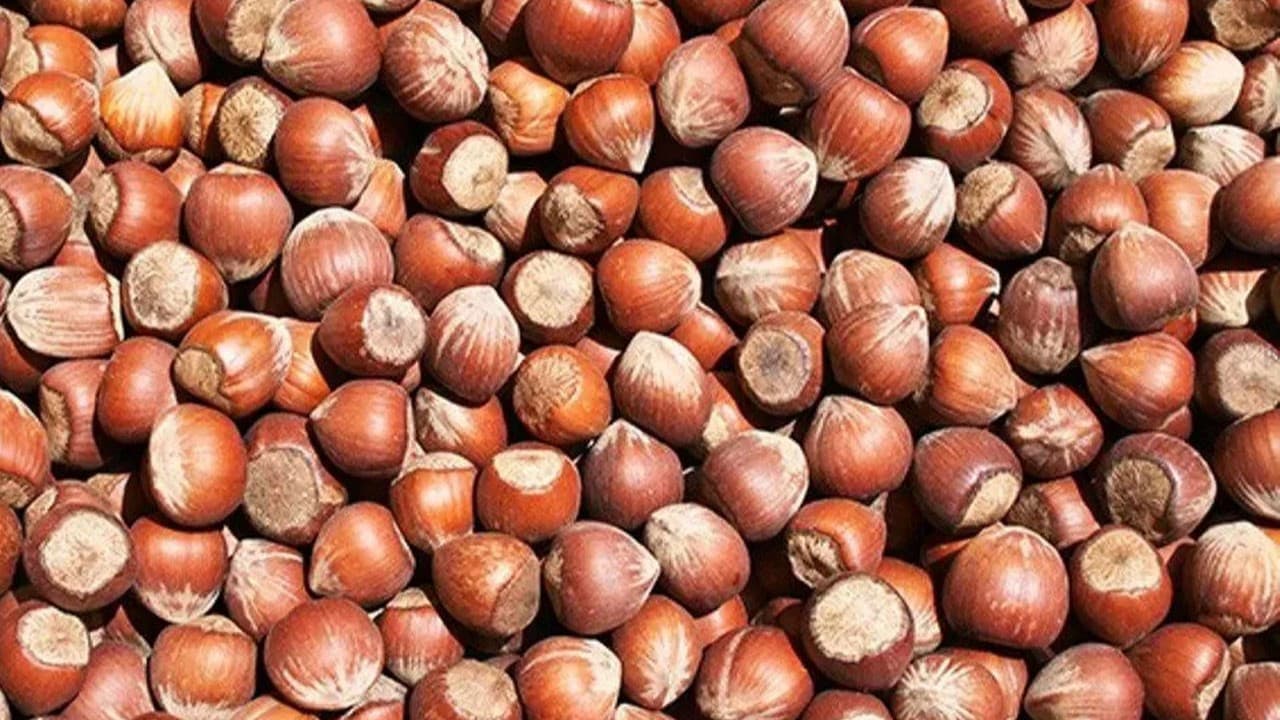
While 50 % yield shell hazelnuts trade at 180‑185 TL in the Eastern Black Sea, 185‑200 TL in Giresun, and 190‑195 TL in the Western Black Sea, the State Hazelnut Procurement Office (TMO) has set purchase prices at 250 TL for Levant grade and 255 TL for Giresun grade—leaving free‑market prices roughly 28 % below those levels, a spread of up to 70 TL per kilogram.

TMO’s Price Ceiling vs. Market Reality

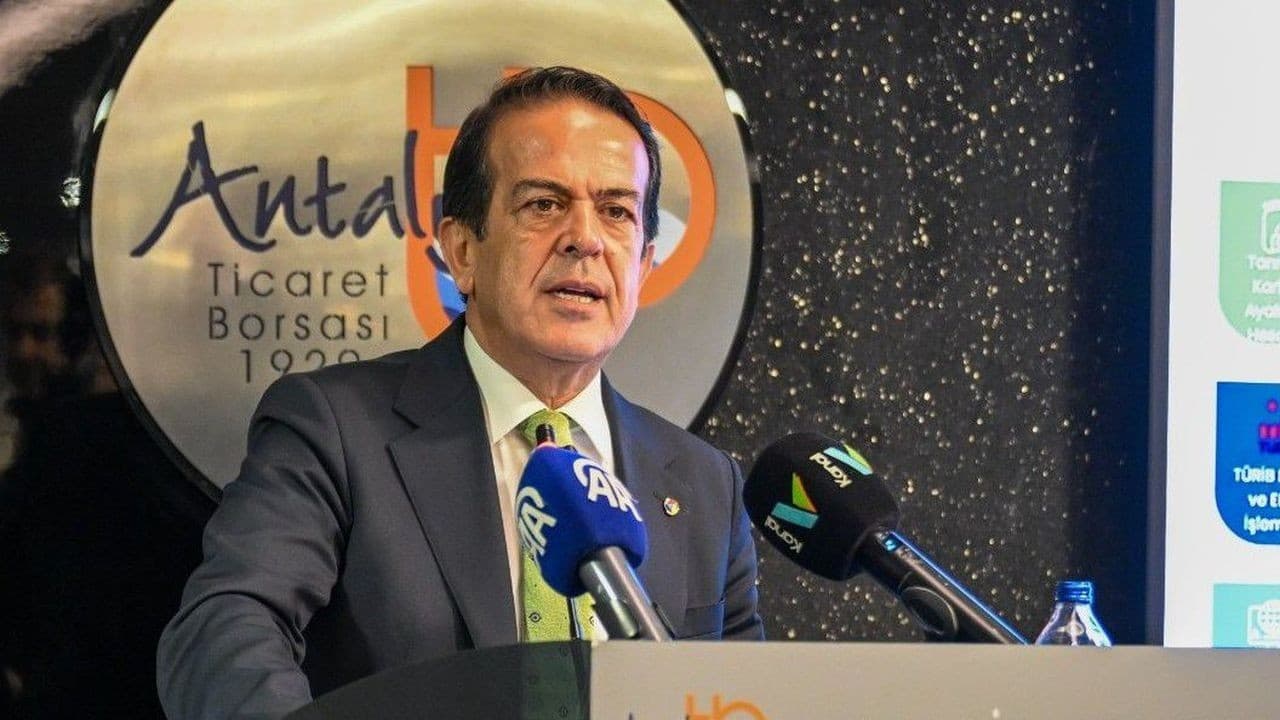
Industry voices argue that TMO’s announced purchase prices function more as a floor than a ceiling. Giresun Chamber of Agriculture President Nurittin Karan denounced transactions below 250 TL as “immoral,” warning that such pricing is unsustainable for producers.

Farmers’ Financial Strain and Advance Dependency

  • A sizable share of growers rely on pre‑harvest advances and high‑interest loans, forcing them to sell at depressed prices.
  • Low market prices hinder even partial cost recovery for producers.
  • The volume TMO actually purchases and the participation of fully registered growers (ÇKS) could shrink free‑market supply and lift prices.
  • Exporters’ Competitive Pressure and European Market Dynamics

  • European buyers can source hazelnuts more cheaply from Georgia, Chile, the United States, and Azerbaijan, keeping Turkish prices under pressure.
  • Exporters are compelled to price at 150‑170 TL to stay competitive, eroding margins across the value chain.
  • Rising energy, labor, and input costs, compounded by a high‑interest environment, further elevate production expenses.
  • Strategic Procurement Scenarios and Potential Price Revisions

  • TMO’s capacity to purchase 250‑300 k tons, with warehouses and staff ready and the option to extend the procurement window, is pivotal for price stability.
  • If TMO secures 100‑150 k tons within the first two weeks, free‑market prices could breach the 200 TL threshold.
  • Efficiency‑based purchase limits, which restrict the amount a farmer can deliver based on Ministry of Agriculture assessments, may reduce free‑market supply and support price gains.
  • Key Takeaways
  • - TMO’s procurement policy can anchor prices around the 250 TL floor.
  • Farmers’ debt burden remains a critical risk to price persistence.
  • Competitive pressure from alternative European suppliers will likely keep Turkish export prices low.
  • Efficiency‑driven purchase caps have the potential to curb supply and bolster prices.
  • Rüzgar Ersoy, Director of Fintech and Banking. TMO’s buying strategy will ripple through banks’ net interest margins and capital adequacy ratios, prompting a re‑pricing of agricultural loan risk premiums. In a high‑interest climate, growers’ repayment capacity deteriorates, yet an expanded TMO purchase volume could ease liquidity strains and enhance the sustainability of farm financing. Conversely, if purchase prices remain a floor while a wide price gap persists, banks may need to re‑classify credit risk and revisit collateral policies.

    Related News & Analysis

    View All →
    Latest Market News

    All News →
    Rüzgar Ersoy

    Financial Analyst: Rüzgar Ersoy

    Finansal Teknolojiler (Fintech) ve Bankacılık Sektörü Direktörü. Bankaların net faiz marjlarını (NIM), sermaye yeterlilik rasyolarını (SYR) ve dijital ödeme sistemlerindeki inovasyonları inceleyen sektör uzmanı.

    Disclaimer: The investment information, comments, and recommendations contained herein are not within the scope of investment advisory. Investment advisory services are provided individually by authorized institutions, taking into account the risk and return preferences of individuals. The comments and recommendations contained herein are general in nature. These recommendations may not be suitable for your financial situation and your risk and return preferences. Therefore, making an investment decision based solely on the information contained herein may not produce results that meet your expectations.

    © 2026 724Finance - All Rights Reserved.Original Source: Ekonomim.com