
Fed’s Warsh Signals AI‑Driven Price Shock May Not Translate Into Sustained Inflation
ABD Merkez Bankası’nın yeni yüzü Kevin Warsh, yapay zekâ yatırımlarının enflasyon üzerindeki etkisini ‘tek seferlik fiyat şoku’ olarak nitelendirerek
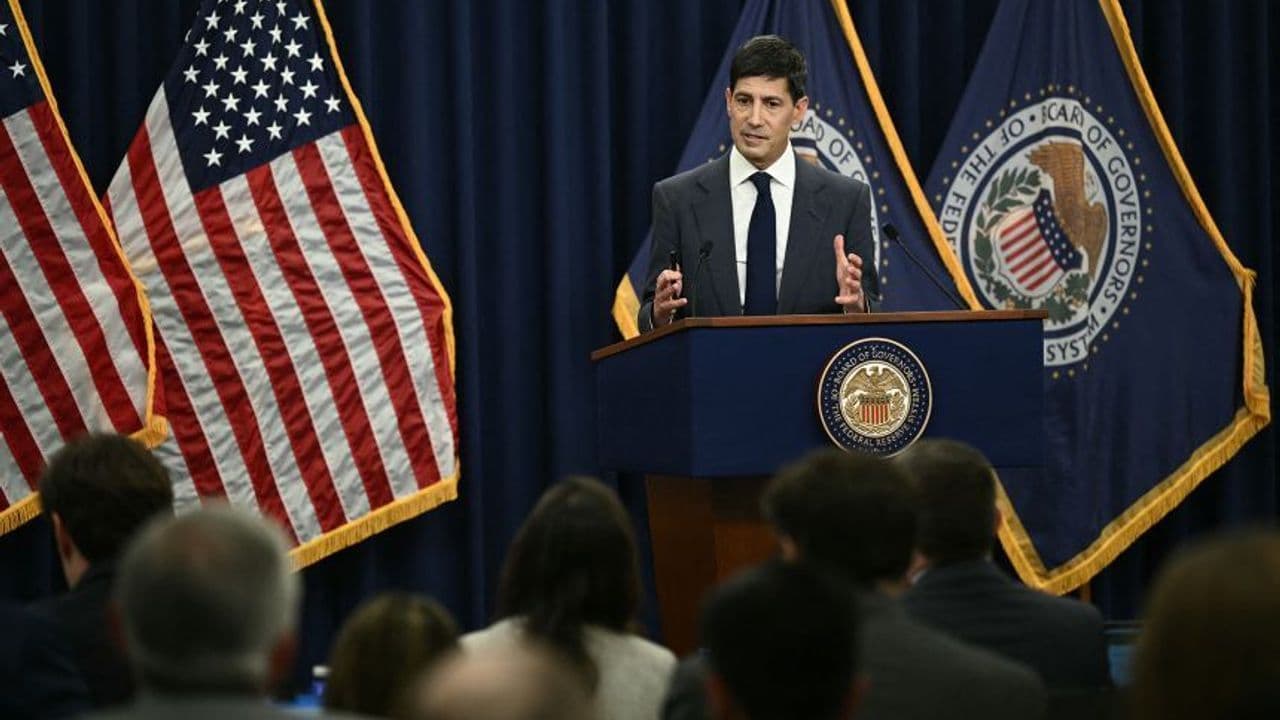
Kevin Warsh, the new face of the U.S. Federal Reserve, framed AI‑driven investment pressures as a ‘one‑off price shock,’ steering market expectations.
AI‑Induced Price Shock: A Temporary Wave?
During his congressional testimony, Warsh emphasized that the surge in demand from AI spending could briefly lift prices, but it does not constitute a lasting inflationary force.
The Supply‑Side Engine: Chip Prices and Capital Expenditure
The Fed chief highlighted rising chip prices and increased capital outlays as the core supply‑side drivers behind the observed price fluctuations.
Inflation Outlook: Transient or Enduring?
"A single‑time price change does not automatically equate to inflation," Warsh warned, noting that prices may rise over the next 12 months, yet whether this translates into true inflation remains at the Fed’s discretion.
Labor Market Implications Over the Long Term
While confident that AI will eventually generate jobs, Warsh refrained from guaranteeing that certain occupations won’t be threatened by emerging technologies.
Warsh’s remarks suggest that AI‑driven price volatility is a fleeting phenomenon, and the Fed will calibrate monetary policy accordingly. Portfolio managers should seek short‑term opportunities in chip and high‑tech equities while maintaining defensive positions to hedge against any lingering inflation risk.
Related News & Analysis
View All →
Melih Gökçek Under Investigation: Allegations of Offshore Fund Transfers Stir Scrutiny

BIS Leader Warns: Stablecoins Unfit as Payment Instruments

Heavy Data Calendar Sets Course for Turkey’s Economy
Tera Portföy's Aggressive Capital Expansion: A 40 Billion TL Vision
Warner Bros Discovery Single-Control Approval: Conditions and Market Impact

New Investment Rules for DASK Funds: Risk Reduction and Yield Enhancement Strategies
Latest Market News
All News →
Canada Pushes Back Against U.S. Push to Rename Lake Ontario as “Lake America”

U.S. ‘Economic D-Day’ Targets Iran: New Sanctions Spark Market Turmoil

U.S. Treasury Restricts Media Access to G20 Finance Summit

Virtual Speed Bumps: Albuquerque's Digital Tactic Halves Traffic Crashes

Sony and Warner Sue Anthropic Over Claude’s Training Data in Copyright Clash
