
Fed Report: US Economy Shows Resilience Despite Middle East Uncertainty
ABD Merkez Bankası (Fed), yılda iki kez Kongre için hazırladığı Para Politikası Raporu'nda, Orta Doğu'daki jeopolitik belirsizliklere rağmen ekonomik
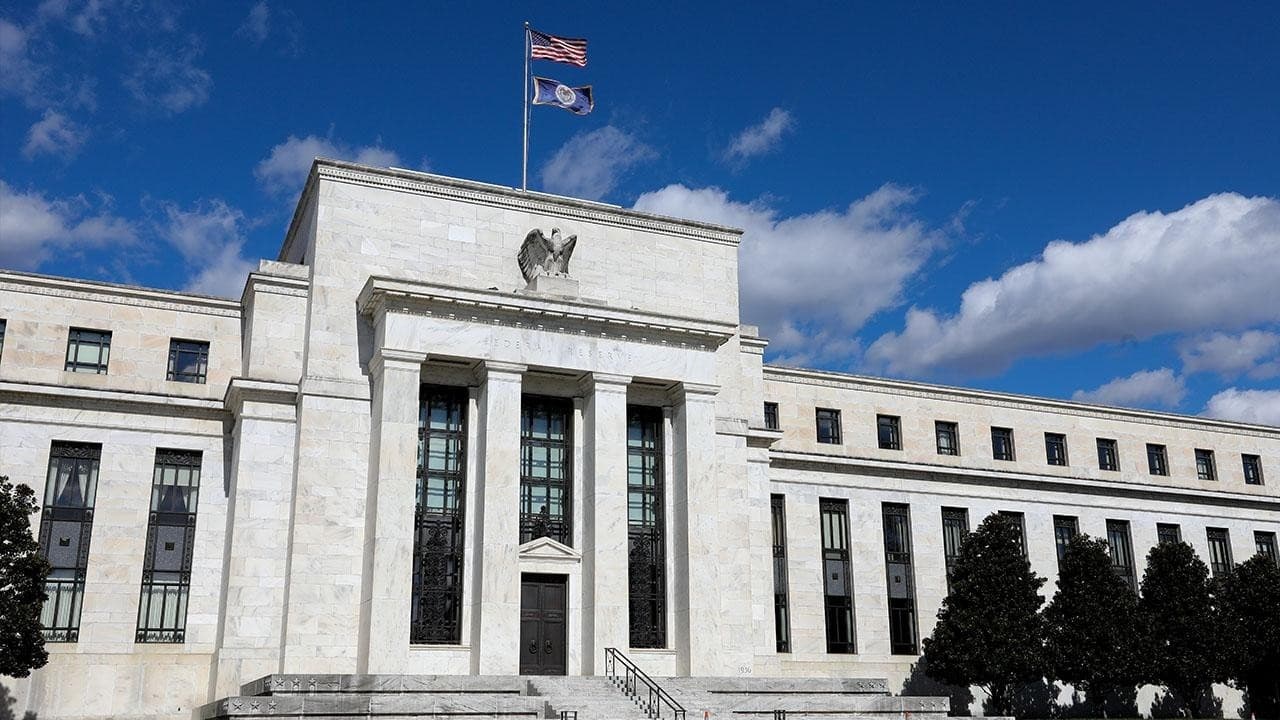
The Federal Reserve, in its semi-annual Monetary Policy Report to Congress, noted that economic activity continues to expand at a solid pace despite geopolitical uncertainties in the Middle East. The report highlighted inflation remaining above the 2% target, stable unemployment rates at low levels, and moderate GDP growth in the first quarter. Fed Chair Kevin Warsh emphasized that energy price increases driven by Middle East conflicts and strong AI-related investments have contributed to inflationary pressures, though long-term expectations remain aligned with the central bank's goals. The financial system was described as resilient, with Treasury yields rising alongside market rate expectations.
Inflation Dynamics and Supply Shocks
Labor Market and Industrial Trends
Financial Stability and External Trade
Hakan Çelik's Note: The Fed's assessment underscores how global geopolitical risks, while impactful, have yet to derail the broader economic trajectory. Energy volatility and AI-driven investment cycles are testing inflation targets, but labor and financial metrics provide a buffer for policy decisions. For Turkey, this dynamic highlights the vulnerability of externally dependent economies to such macroeconomic crosscurrents.
Related News & Analysis
View All →
CBT Cancels e-Money Licenses, Tightening Turkey’s Financial Ecosystem

Turkish Shipbuilding: Currency Pressure Drains Competitive Edge
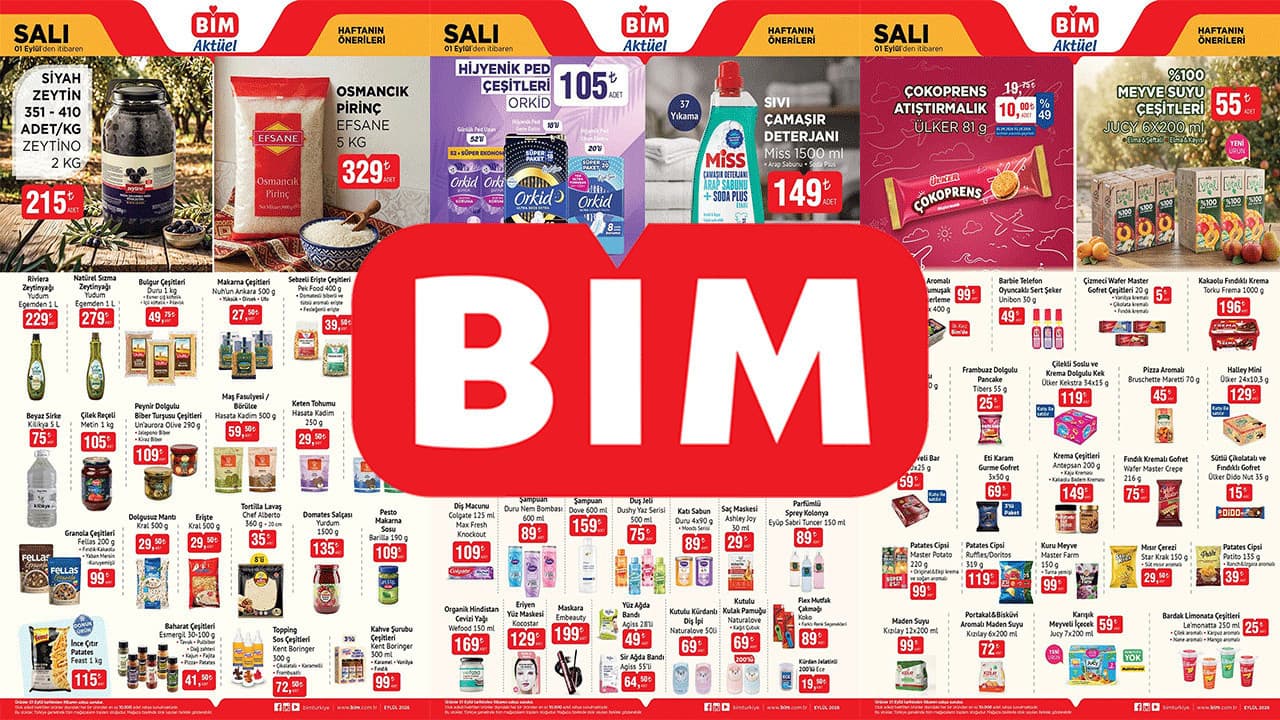
BİM's September Discount Surge: Impact on Grocery Prices and Stock Market

BofA: Turkey’s Repo Resumption Signals Liquidity Normalisation, TLREF Falls from 40% to 37%
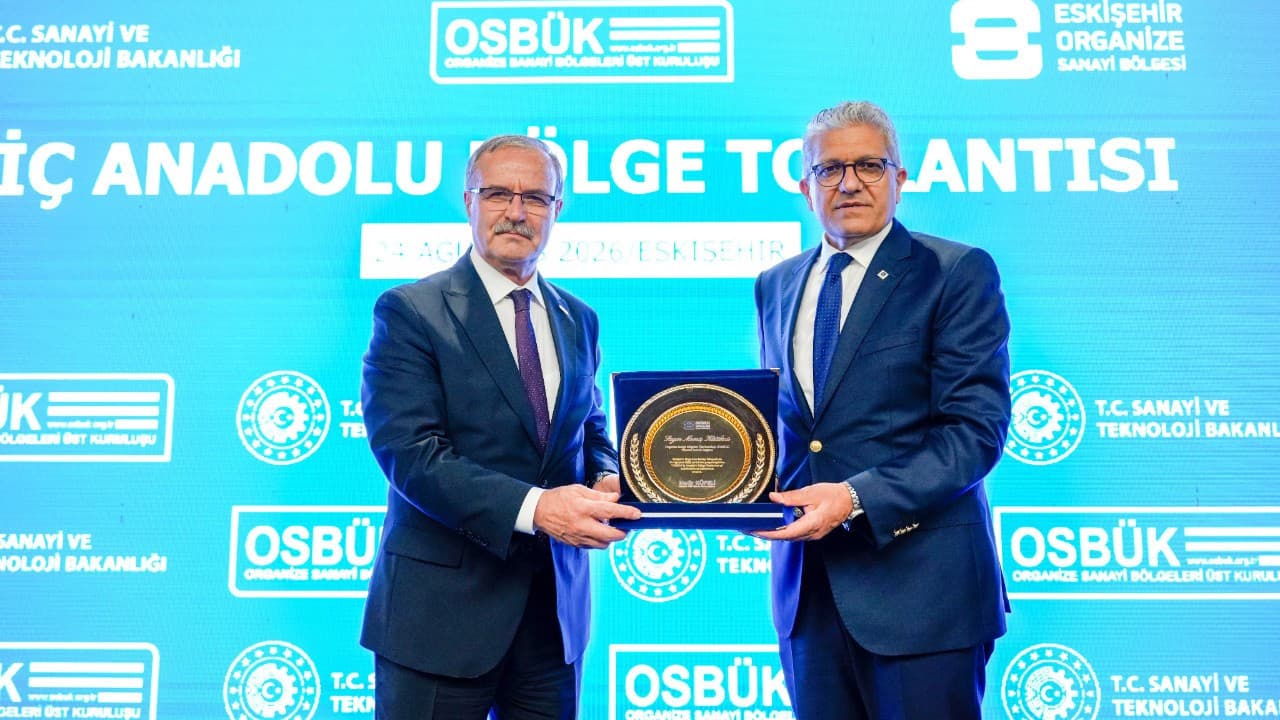
Central Anatolia’s Industrial Parks See **5.2%** Energy Surge, Amplifying Investment Ambitions

Expanding the Tax Base and Introducing Expenditure Audits: Economic Implications
Latest Market News
All News →
ETİLER and TBORG Showcase Divergent Dividend Strategies

Bitwise Introduces Automated Portfolios with Tokenized Stocks

Iran's Strait of Hormuz Takeover: Implications for Global Oil Flows and European Markets
CBT Cancels e-Money Licenses, Tightening Turkey’s Financial Ecosystem

Ossoff's Natalie Harp Probe: A Turning Point for Democratic Strategy
![[KUVVA] KUVVA GIDA TİCARET VE SANAYİ YATIRIMLARI A.Ş.
Şirket Genel Bilgi Formu - Şirket Genel Bilgi Formu](/_next/image?url=%2Fuploads%2Fkap-default.png&w=3840&q=75)