US-Iran Communication Gaps in Hormuz Strait: Energy Markets Face New Uncertainty Period?
724FinanceKerem Tufan
Key Highlights
ABD ile İran arasında Hürmüz Boğazı'nda iletişim eksiklikleri yaşanıyor. Bu durum, küresel enerji akışının güvenliği açısından derin endişe uyandırıyo
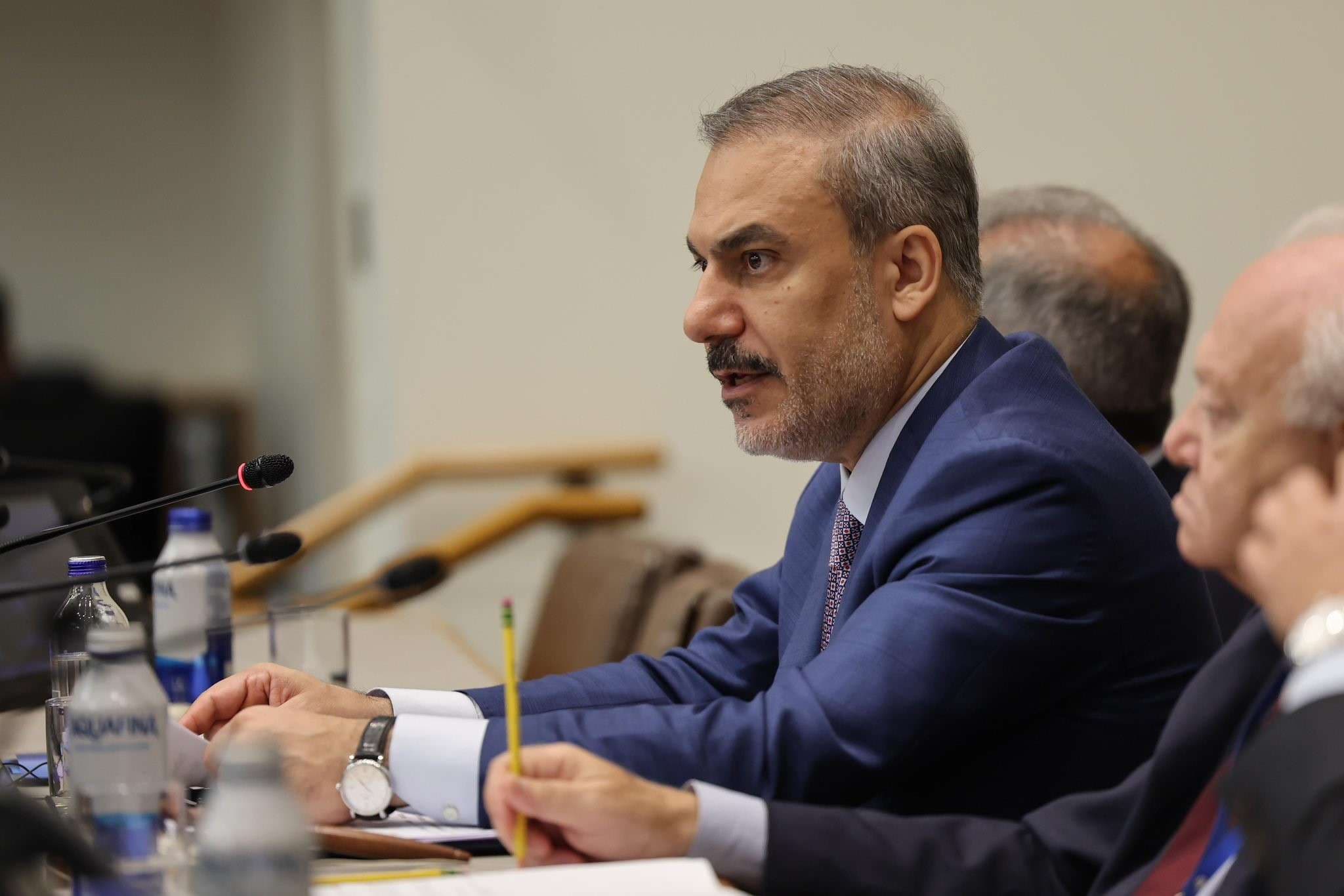
Communication gaps between the US and Iran in the Hormuz Strait are raising concerns over global energy flow security. As a critical transit route handling over $20-30 billion worth of natural gas and oil daily, the Hormuz Strait remains a focal point for geopolitical tensions. Declining trust between the two nations could drive up risk premiums for Middle Eastern energy exporters, with energy companies monitoring these developments closely while insurance premiums and transportation costs rise significantly.
Escalating Tensions in Energy Security
Risk Factors Impacting Cash Flow
Commercial Risks in the Strategic Oil Gateway
Markets typically respond to such geopolitical tensions with 'risk-on/risk-off' fluctuations. Energy investors are closely watching developments in US-Iran dialogue while aligning strategies with macroeconomic data. Short-term energy price swings are likely, though long-term stability could revive sector investments.
Related News & Analysis
View All →
BIST 100 Sees Four Companies File SPK Applications: Debt and Equity Strategies Unfold

BIST 100 Slides at Close Amid Tight Liquidity
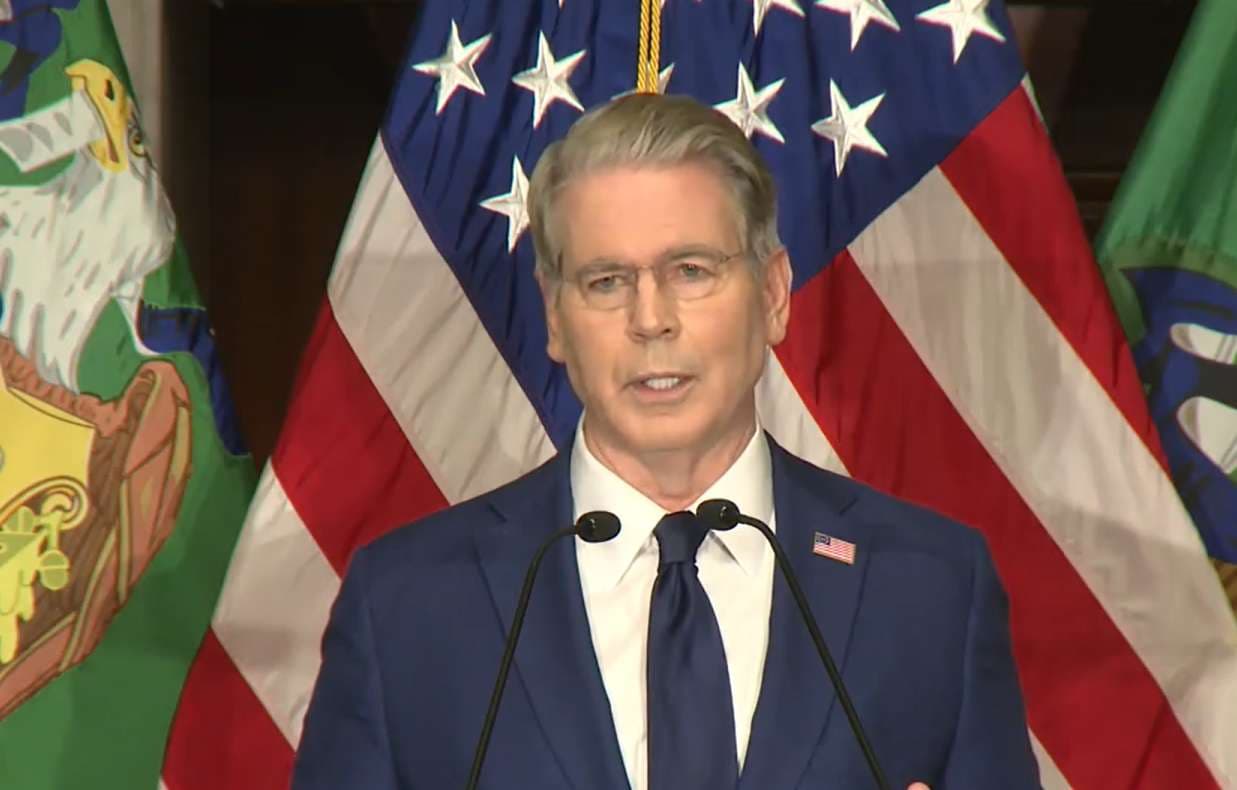
U.S. Launches Economic Isolation Against Iran: Implications for Global Markets

Turkey’s Agricultural Output Leaps to Europe’s Top Spot: $83.2 B in 2025

BIST 100’s Top Gainers and Losers of the Day: A Technical and Quantitative Deep Dive

Strategy Shifts from Bitcoin to Cash: A New Era in Liquidity Management
Latest Market News
All News →BIST 100 Sees Four Companies File SPK Applications: Debt and Equity Strategies Unfold
MicroStrategy’s $2 Billion Capital Move: USD Cash Pot and Bitcoin Treasury

ABC vs FCC: The Final Showdown Over Deregulation and the Future of Media Giants

Zillow and Redfin Reach FTC Settlement: A New Regulatory Chapter for PropTech

Pakistan Forces Crypto Firms into September 5th Licensing Deadline: Unpacking the New Regime