
Fitch Confirms Turkey's Credit Rating at 'BB-'; Inflation and Growth Projections Unveiled
Fitch Ratings, Türkiye ekonomisine ilişkin değerlendirmesini yayımlayarak, ülkenin uzun vadeli kredi notunu 'BB-' olarak teyit ettiğini ve not görünüm
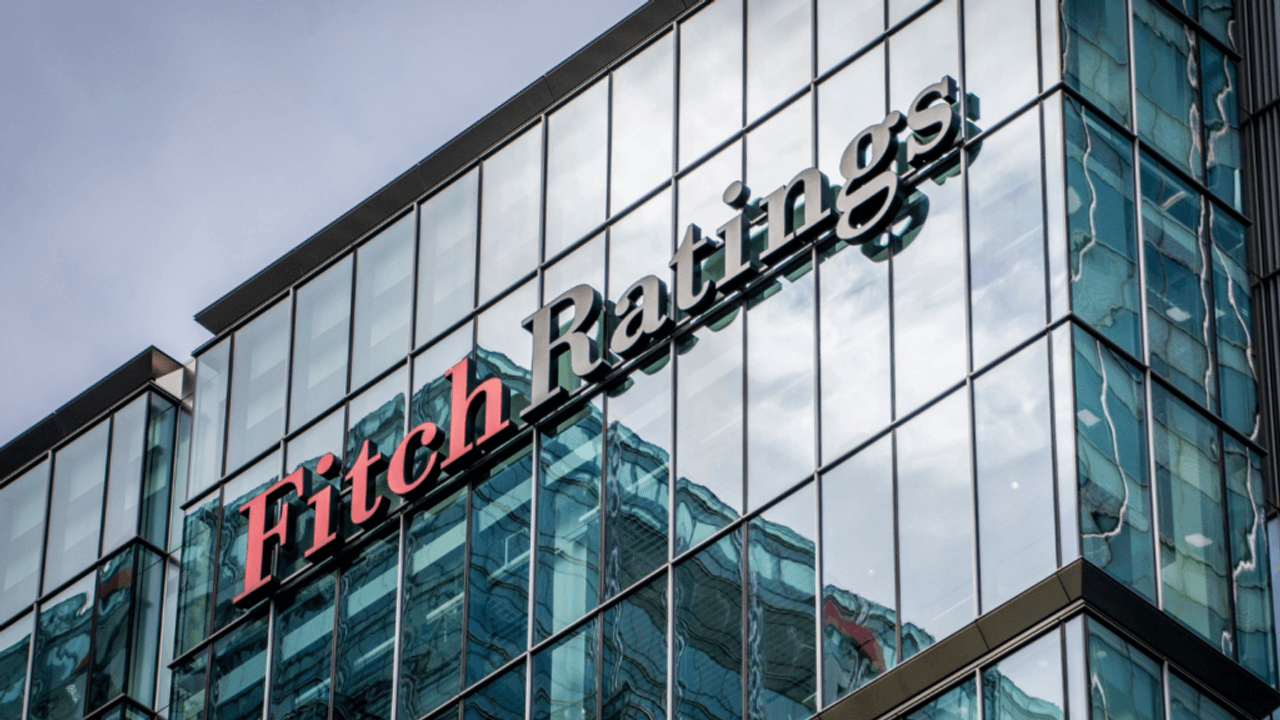
Fitch Ratings confirmed Turkey's long-term credit rating at 'BB-' and maintained a stable outlook in its latest assessment of the country's economy. The rating agency highlighted key supportive factors, including low public debt, a large and diversified economy, relatively high per capita income compared to 'BB' category peers, and a resilient banking sector with a history of accessing external financing during stress periods.
Turkey's Economy and the 'BB-' Credit Rating Confirmation
Fitch emphasized the following elements supporting Turkey's creditworthiness:
Inflation and Growth Outlook
The report projected Turkey's potential growth rate at approximately 4%, with actual growth expected to reach 2.8% in 2024 and 4.4% in 2025. Inflation, currently at 32% in June 2024, is anticipated to decline to 29.5% by the end of 2026.
Central Bank Policies and Foreign Reserves
The Central Bank's recent decision to raise the funding cost by 300 basis points and tighten credit limits was noted as a measure to stabilize the lira amid geopolitical tensions. Fitch expects gross foreign exchange reserves to reach $167 billion by 2026, reflecting partial recovery supported by forex interventions.
Risk and Opportunity Factors
Kerem Tufan (Director of Commercial Loans and Central Bank Policies): "Fitch's affirmation underscores Turkey's structural economic strengths, but inflation and growth uncertainties persist as key concerns for investors. The projected rise in foreign reserves is pivotal for managing external debt costs. For the banking sector, this outlook signals potential easing in loan interest rates and expanded credit access for SMEs, aligning with broader monetary policy objectives.
Related News & Analysis
View All →
HSBC's Top-Traded BIST 100 Stocks and Technical Signals
BIST 15:00’s Most Active Brokerage Firms: Who Holds the Market’s Pulse?

Russia’s Oil Output Slumps for 17th Year, Shifting Energy Dynamics
Qatar Supply Caps Trigger TTF Record: European Gas Markets Heat Up
China’s Guarantee to U.S. Firms: A Strategic Financial Turnaround

Istanbul Wholesale Prices Surge 2.50%: Inflation Shadow Deepens
Latest Market News
All News →![[NETCD] NETCAD YAZILIM A.Ş.
Özel Durum Açıklaması (Genel) - Yatırımcı İlişkileri Bölüm Yöneticisi Ataması Hk.](/_next/image?url=%2Fuploads%2Fkap-default.png&w=3840&q=75)
[NETCD] NETCAD YAZILIM A.Ş. Özel Durum Açıklaması (Genel) - Yatırımcı İlişkileri Bölüm Yöneticisi Ataması Hk.
[ETILR] ETİLER GIDA VE TİCARİ YATIRIMLAR SANAYİ VE TİCARET A.Ş. Sermaye Artırımı - Azaltımı İşlemlerine İlişkin Bildirim - Tahsisli Sermaye Artırımı ? Borsa İstanbul Fiyat Belirleme Süreci
BORSA İSTANBUL A.Ş. Endeks Şirketlerinde Değişiklik / BKRGY - -
[FENER] FENERBAHÇE FUTBOL A.Ş. Hak Kullanım Süreç İptal Bildirimi - 01.06.2025-31.05.2026 Özel Hesap Dönemi Olağan Genel Kurul Toplantısı İptali Hakkında Bilgilendirme
HSBC's Top-Traded BIST 100 Stocks and Technical Signals