
Fitch Report: Turkey's Strong Sukuk Position Amid Strategic Funding Needs and Geopolitical Risks
Fitch Ratings, Türkiye'nin 2024 yılında da küresel sukuk piyasasında lider konumunu koruyacağını ve gelişmekte olan piyasalarda (GOP) önde gelen borç
Fitch Ratings confirms that Turkey will maintain its leading position in the global sukuk market and remain a top issuer in emerging markets (EM) throughout 2024.
Strategic Funding Drivers and Financing Gaps
Turkey's high external financing requirement, upcoming debt maturities, and widening fiscal deficits are key catalysts for continued sukuk issuance.
Geopolitical Tensions and Market Impact
Fitch warns that the Iran conflict and broader regional tensions could pressure investor sentiment, yields, and liquidity.
ESG and Green Finance Momentum
Hosting COP31 and unveiling the National Green Finance Strategy are expected to boost ESG‑linked debt instruments.
Debt Stock, Liquidity, and Market Outlook
Fitch notes that Turkey’s debt capital market (DCM) has continued to expand despite geopolitical uncertainty, ranking as the fifth‑largest global sukuk market in the first half of 2026.
Turkey’s sustainable sukuk growth rests on solid external financing access and the uplift from ESG‑focused strategies. While regional geopolitical risks may generate short‑term volatility, long‑term liquidity and diversification opportunities will be pivotal in keeping borrowing costs stable for SMEs and large corporates. Careful calibration of monetary policy and macro‑prudential safeguards by the Central Bank is essential to preserve market liquidity.
Related News & Analysis
View All →
Hürmüz Uncertainty Propels Oil Prices to New Peaks
BofA Warning: The **155** Level Marks a Critical Turning Point in USD/JPY
July Inflation Clears the Path: Core Price Rise and Rate Outlook Shape BIST 100 Direction

BIST 100 Tech Rally and the 13,500 Point Test
Record Earnings Journey in US Stocks: Barclays Report

Spotify's Q2 Revenue Climbs to 4.78 Billion Euros
Latest Market News
All News →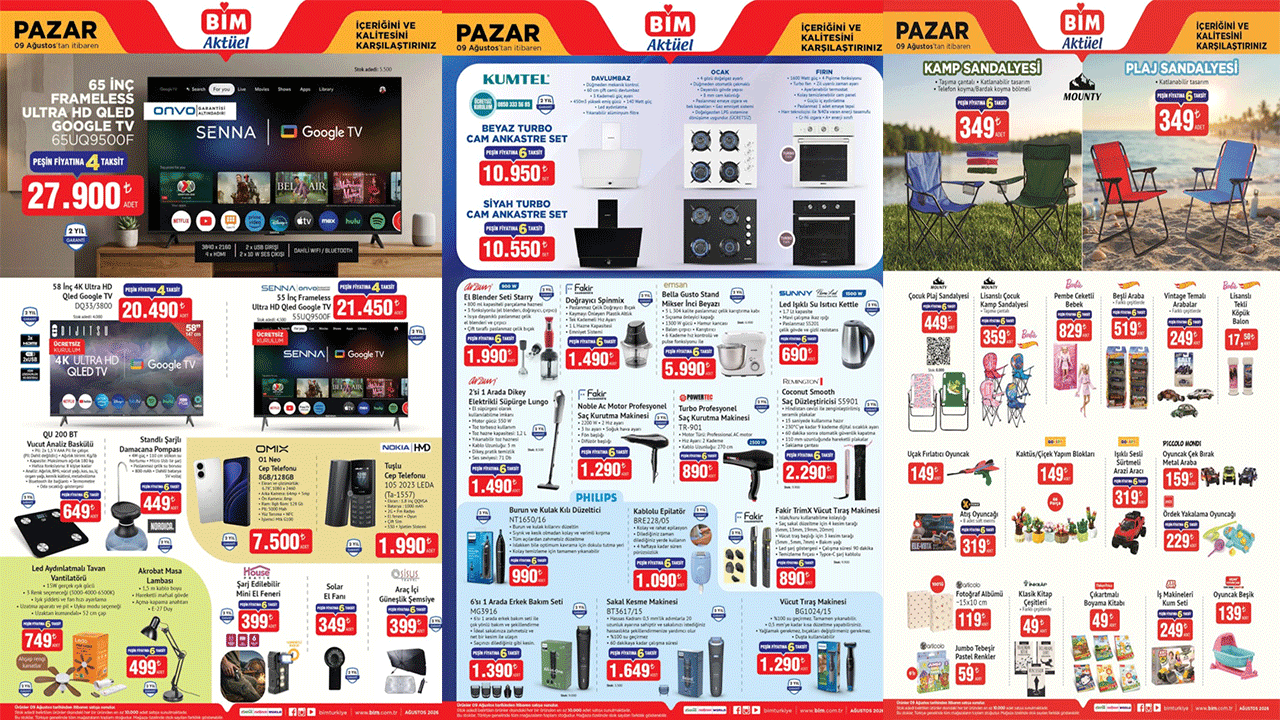
BIM's Strategic Maneuver: Nokia's Iconic Feature Phones Return to Market
Hürmüz Uncertainty Propels Oil Prices to New Peaks
BofA Warning: The **155** Level Marks a Critical Turning Point in USD/JPY

Healing a $400 Million Wound: The NFL’s New Financial and Digital Front in Europe
July Inflation Clears the Path: Core Price Rise and Rate Outlook Shape BIST 100 Direction