
Food Fraud List Updated: Ministry Tightens Oversight on Counterfeit Products
Tarım ve Orman Bakanlığı, taklit edilen ve tağşiş yapılan gıdalar listesini güncelleyerek tüketiciyi dolandırıcılıktan uzak tutma yönünde yeni adımlar
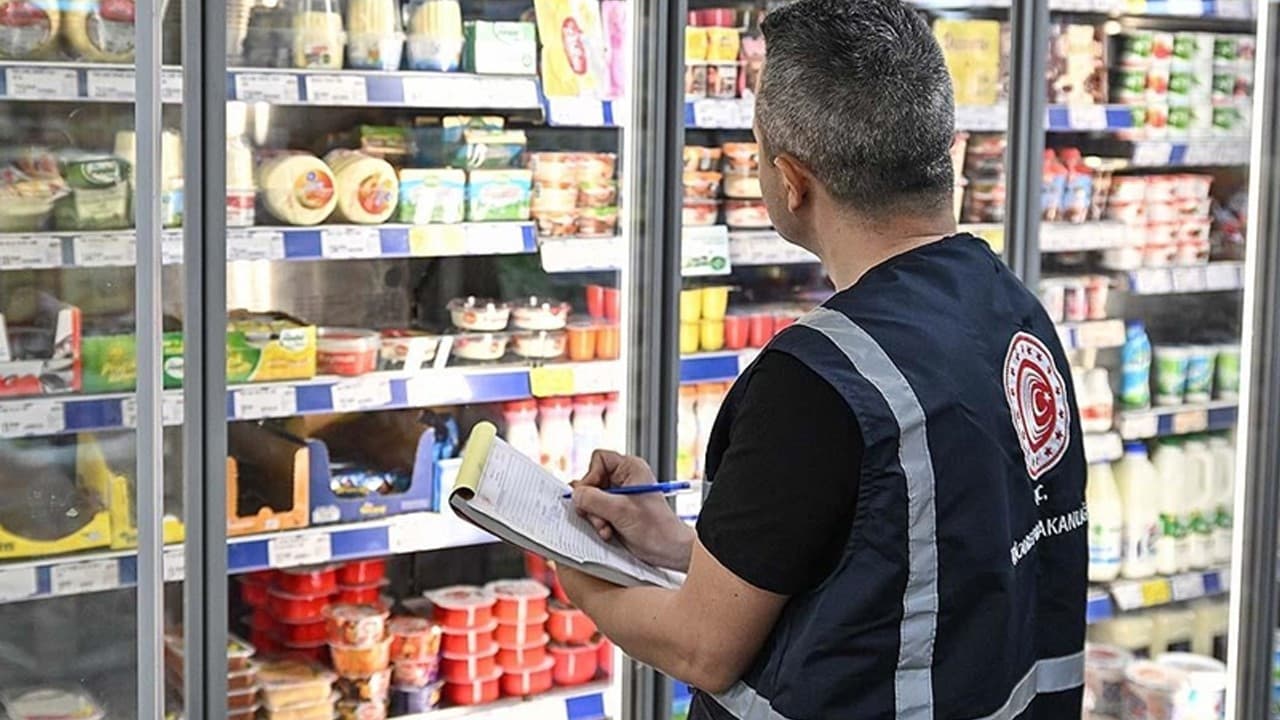
The Ministry of Agriculture and Forestry has updated the list of counterfeit and adulterated food products, taking steps to protect consumers from fraud. Fraudulent practices in popular items like sausages, tea, and salami raise serious concerns about food safety and market integrity. The ministry aims to ensure transparency in the supply chain while avoiding overly restrictive enforcement, which could increase costs for small and medium-sized producers and erode consumer confidence. The updated list may also contribute to price instability in the market. The agricultural sector faces a critical period in combating fraud-related costs and reputational damage.
Loss of Trust in Food Markets
Regulatory Risks and Market Impact
Markets view this development with caution, as the trust index in food products may decline due to tighter quality standards. The Fed and TCMB might adopt a dovish (accommodative) stance to stabilize consumption trends, though increased legal penalties could impose hawkish (contractionary) pressure on producers. Dr. Aslıhan Demir notes that such regulations may have short-term negative but medium-term positive effects on macroeconomic stability.
Related News & Analysis
View All →
Apple Unveils Foldable iPhone: A Tech Revolution with Market Implications

İZTO Announces Özgener’s Re‑Nomination as Chairman
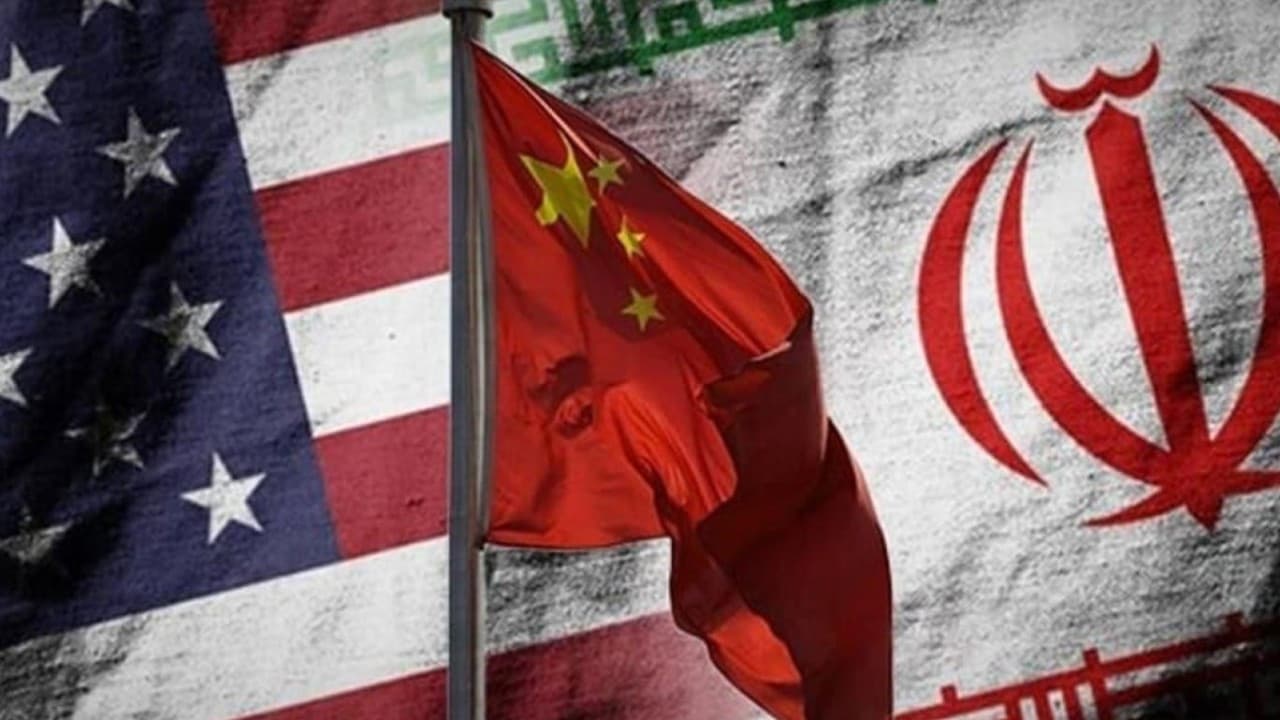
Iran’s Economic Tightrope: Hariri’s Critique of U.S. Sanctions
Sodexo Announces Radical Downsizing in France: 1,100 Jobs to be Cut

Revolutionizing Overseas Education with AI: Uni4Edu’s Installment Consulting Model

Menemen Plastic OSB Boosts Regional Production and Investment with 220,000 m² Expansion Plan
Latest Market News
All News →![[YEOTK] YEO TEKNOLOJİ ENERJİ VE ENDÜSTRİ A.Ş.
Finansal Duran Varlık Satışı - Finansal duran varlık satışı](/_next/image?url=%2Fuploads%2Fkap-default.png&w=3840&q=75)
[YEOTK] YEO TEKNOLOJİ ENERJİ VE ENDÜSTRİ A.Ş. Finansal Duran Varlık Satışı - Finansal duran varlık satışı
[EMPAE] EMPA ELEKTRONİK SANAYİ VE TİCARET A.Ş. Finansal Duran Varlık Edinimi - Şirket Kuruluşu Hakkında
[BALAT] BALATACILAR BALATACILIK SANAYİ VE TİCARET A.Ş. Payların Geri Alınmasına İlişkin Bildirim - 26.08.2026 Tarihli Pay Geri Alımı Hakkında
Apple Unveils Foldable iPhone: A Tech Revolution with Market Implications

Japan Aims to Revolutionize Securities Trading with 24/7 Blockchain System
