Turkey's Addiction Battle: Economic Implications of Social Support Models
Aile ve Toplum ile ilgili siyasi bir sempozyumda, Bakan Mahinur Özdemir Göktaş, bağımlılığın toplumsal ve ekonomik açıdan kritik bir tehdit oluştuğunu
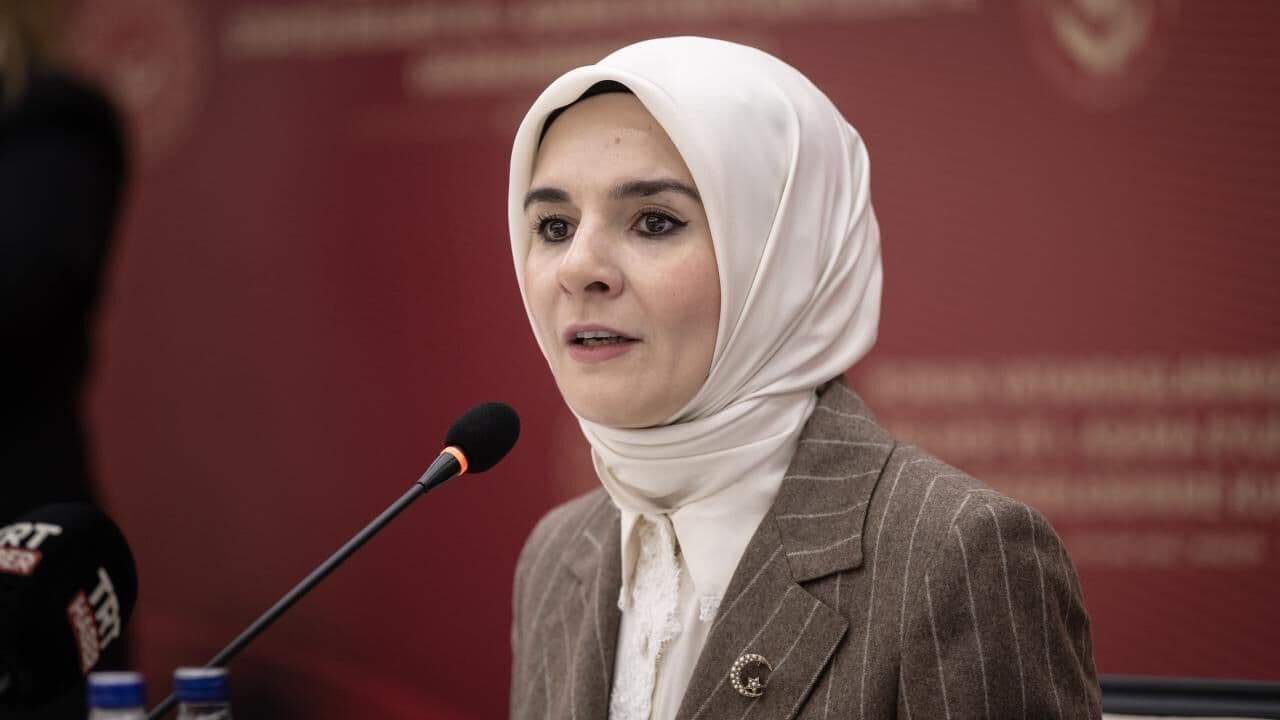
During a symposium on public health and addiction, Minister Mahinur Özdemir Göktaş emphasized the critical threat posed by addiction to societal and economic stability. The discussion highlighted government initiatives under the 2024-2028 'Family and Population 10-Year Vision Document,' including early intervention programs and family-centered social counseling services. In the Batman pilot project, 1,286 households were visited, 551 citizens were referred for treatment, and 4.5 million TRY in social aid was distributed. Social risk maps were introduced to track addiction risks at the neighborhood level, while restrictions on social media access for under-15s and tobacco use in public spaces were outlined. The symposium also addressed the global tobacco addiction crisis, which claims over 50 million lives annually, with passive smoking identified as a risk for 20% of the Turkish population. Measures targeting educational and cultural institutions, including bans on tobacco use in enclosed areas, were announced.
Kerem Tufan: These social policies are pivotal for the banking sector, particularly in addressing youth employment and family income support. If social risks remain unmitigated, tightening in SME lending could persist. Additionally, regulations targeting tobacco and digital addiction may reduce consumption volumes, potentially impacting tax revenues. However, such initiatives represent structural reforms that could lower long-term social costs and credit risks.
Related News & Analysis
View All →
BOJ Member's Interest Rate Hike Call: Critique of Neutral Policy Stance

Gulf of Oman Clash: How U.S.-Iran Energy War Could Impact Crypto Markets

Brent Crude Surges Above $95 as U.S.-Iran Tensions Boost Oil Prices

Iran Warns of 'Heavy Retaliation' to the US: New Phase of Economic War

Iran Launches Missile and Drone Strikes on US Bases: Deepening Regional Tensions

South Korea Sends a Positive Bitcoin Premium Signal: Fresh Momentum for Crypto Markets
Latest Market News
All News →![[GSRAY] GALATASARAY SPORTİF SINAİ VE TİCARİ YATIRIMLAR A.Ş.
Transfer Görüşmeleri - Profesyonel Futbolcu El-Chadaille Bitshiabu Hakkında](/_next/image?url=%2Fuploads%2Fkap-default.png&w=3840&q=75)
[GSRAY] GALATASARAY SPORTİF SINAİ VE TİCARİ YATIRIMLAR A.Ş. Transfer Görüşmeleri - Profesyonel Futbolcu El-Chadaille Bitshiabu Hakkında

Tax Incentives vs. Voter Will: The Data Center Backlash in Missouri
Mobbing Cases Piling Up in Courts: Rising Tensions Between Employers and Employees

Nvidia's Chip Dominance and Robinhood's Investor Assault: How Markets Will React
BOJ Member's Interest Rate Hike Call: Critique of Neutral Policy Stance