
GM and Ford Quiet Down on EVs: Deep Shockwaves Across Market Dynamics
724FinanceKaptan Rıza Deniz
Key Highlights
General Motors ve Ford, bir zamanlar elektrikli araç (EV) devriminin öncüsü olarak anılırken, yatırımcı çağrılarında EV’den bahsetme sıklıkları pandem

General Motors and Ford, once heralded as the vanguard of the electric‑vehicle (EV) revolution, have now reduced EV mentions in investor calls to levels far below pre‑pandemic peaks.
Detroit’s EV Anthem Fades Into Near Silence
Investor Confidence and Regulatory Swings
Strategic Realignment and Supply‑Chain Impacts
Market and Freight‑Route Ripples
Captain Rıza Deniz – Global Supply‑Chain and Freight Markets Strategist: The EV production slowdown reshapes both raw‑material demand and maritime shipping lanes. Reduced battery output can curtail LME copper and aluminium flows, exerting a slight downward pressure on the BDI. In a politically volatile climate, monitoring how the auto giants frame their EV narratives will provide early warning signals for freight rates and commodity supply‑demand dynamics.
Related News & Analysis
View All →
NXP, Otonom Araç Görüntüleme Devrimi İçin 3,3 Milyar Dolarlık Alım Çabası

FIFA's $20 Billion Bet: Will a 20% World Cup Stake Shake Global Markets?

LIV Golf on the Brink: Saudi Withdrawal Sparks Bankruptcy Fears

Hedge Fund Implosion: A New Lens on AI Trading and Liquidity

Meta’s New WhatsApp ‘Offers & Updates’ Folder: A Strategic Move to Combat Business Spam

AI Hedge Fund Situational Awareness Crashes from $45 Billion
Latest Market News
All News →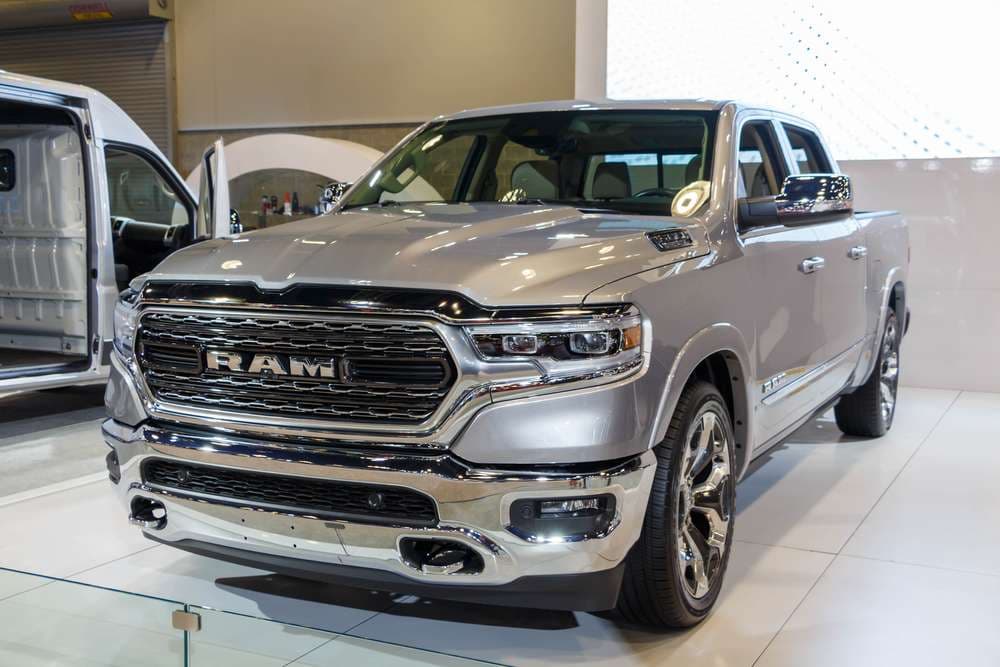
Stellantis Initiates Global Recall of 1.5 Million Ram 1500 Trucks
![[PLTUR] PLATFORM TURİZM TAŞIMACILIK GIDA İNŞAAT TEMİZLİK HİZMETLERİ SANAYİ VE TİCARET A.Ş.
Kayıtlı Sermaye Tavanı İşlemlerine İlişkin Bildirim - Kayıtlı Sermaye Tavanına İlişkin Esas Sözleşme Maddesi Tadilinin Tescili Hk.](/_next/image?url=%2Fuploads%2Fkap-default.png&w=3840&q=75)
[PLTUR] PLATFORM TURİZM TAŞIMACILIK GIDA İNŞAAT TEMİZLİK HİZMETLERİ SANAYİ VE TİCARET A.Ş. Kayıtlı Sermaye Tavanı İşlemlerine İlişkin Bildirim - Kayıtlı Sermaye Tavanına İlişkin Esas Sözleşme Maddesi Tadilinin Tescili Hk.

Situational Awareness Fund Sells Portfolio to Citadel, Retains Anthropic Stake
Istanbul Stock Exchange Ends Day Up: BIST 100 Gains 1.2%

Circle Secures NY Trust Charter, Elevating USDC into Traditional Banking Realm