
Gold Caught in the Crossfire: Hormuz Tensions vs. Fed Hawkishness
Altın fiyatları, Hürmüz Boğazı'ndaki tırmanan askeri hareketliliğin yarattığı güvenli liman talebi ile ABD Merkez Bankası'nın (Fed) enflasyonu dizginl
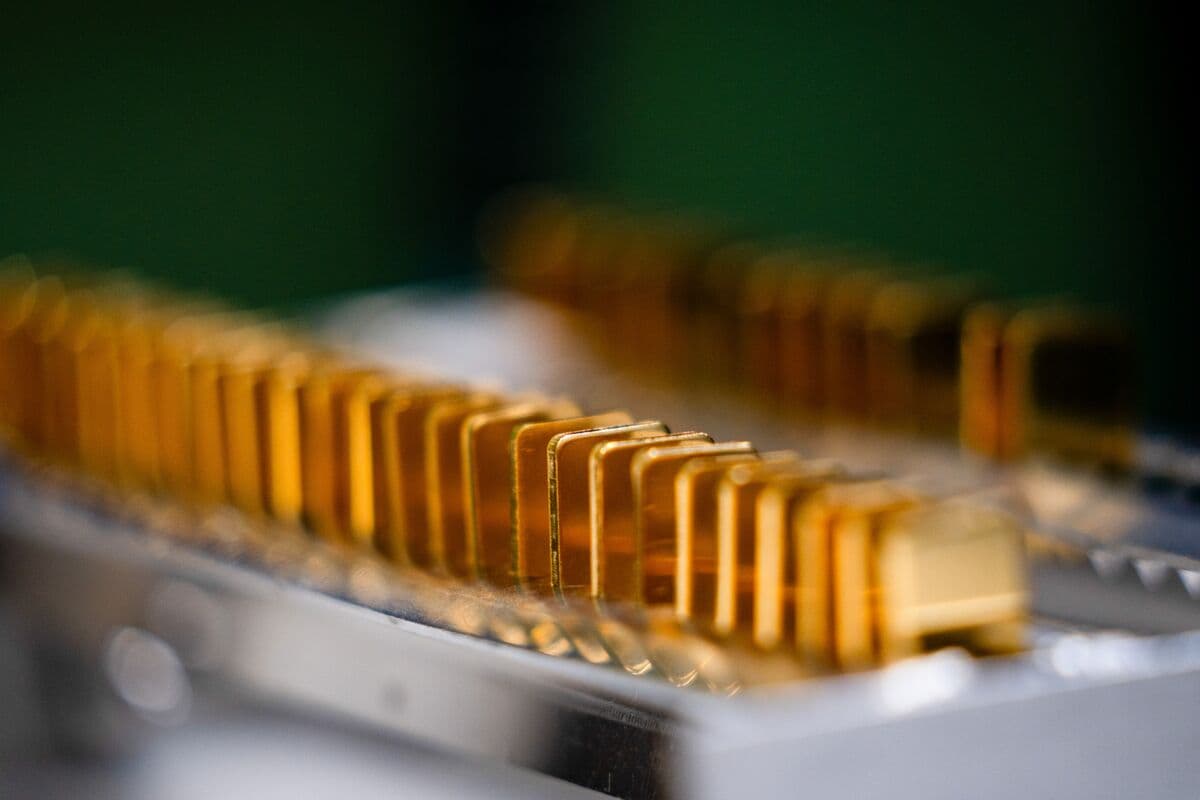
Gold prices managed to stem their decline as the market balanced the escalating hostilities in the Strait of Hormuz against a renewed hawkish tone from U.S. monetary policymakers.
The Geopolitical Hedge in the Strait of Hormuz
Increased tensions in one of the world's most critical maritime chokepoints are reviving the safe-haven appeal of precious metals. The threat of a blockade in the Strait of Hormuz introduces a systemic risk to energy security, pushing investors toward gold as a defensive asset.
Monetary Tightening and the Opportunity Cost
Simultaneously, recent remarks from Fed officials suggest a higher probability of interest-rate hikes to curb persistent inflation. This hawkish stance increases the opportunity cost of holding non-yielding assets, creating a significant headwind for gold prices.
The Strait of Hormuz is the jugular vein of global energy trade. Any disruption there doesn't just spike oil prices; it triggers a systemic supply chain shock that fuels global inflation. Gold is currently a barometer of this tension. While the Fed's hawkishness creates a headwind, a full-scale blockade would likely override monetary concerns, sending precious metals soaring.
Related News & Analysis
View All →
Solana Breaks $100, Bitcoin Surges Past $80,000: A New Fast-Moving Contender in Crypto

Prediction Markets vs. U.S. Government: The Legal Battle Over Kalshi and Polymarket

Le Pen’s Business‑Winning Blueprint and €10 Billion Spending Cut

Alphabet's £260 Million Settlement: The Digital Giant's Legal Exit

Social Security Crisis: Wealthy Baby Boomers and National Debt

A. O. Smith Corp (AOS) Stock: Wall Street Outlook and Risk Analysis
Latest Market News
All News →
KAMUYU AYDINLATMA PLATFORMU Kamuyu Aydınlatma Platformu Duyurusu / HPF, INFO, IYF, OZSUB, PASEU, PNU, PRY, SDTTR - Özel Durumlar Tebliği'nin 12-(4). maddesi gereğince yapılan açıklama
[POLHO] POLİSAN HOLDİNG A.Ş. Kurumsal Yönetim İlkelerine Uyum Derecelendirmesi - Kurumsal Yönetim İlkelerine Uyum Derecelendirmesi

SPK Revamps Portfolio Strategies with Gold, Biotech, Energy, and Commodity Funds
The Sandbox’s 1:1 SAND Compensation Plan After Bridge Exploit
Solana Breaks $100, Bitcoin Surges Past $80,000: A New Fast-Moving Contender in Crypto